Friday, 5 January 2023
The mission of  CzechAid is clear:
 reduce maternal mortality during childbirth in Cambodiareduce perinatal mortality among their childrenreduce mortality among children under the age of five
The composition of our team may seem diverse, but only at first glance. Obstetricians, neonatologists, anaesthesiologists, a diabetologist, physicians, midwives, a paediatric nurse and a paramedic – particularly from the General University Hospital in Prague – VFN and First Faculty of Medicine, Charles University. – together with experts in bioengineering and modern IT technologies form one cohesive team heading to Cambodia.
We have prepared an extensive multidisciplinary training programme for doctors and midwives in this part of Southeast Asia. Following last year’s visit, almost exactly one year ago, we now know what to expect – and what lies ahead of us.
6 January 2023
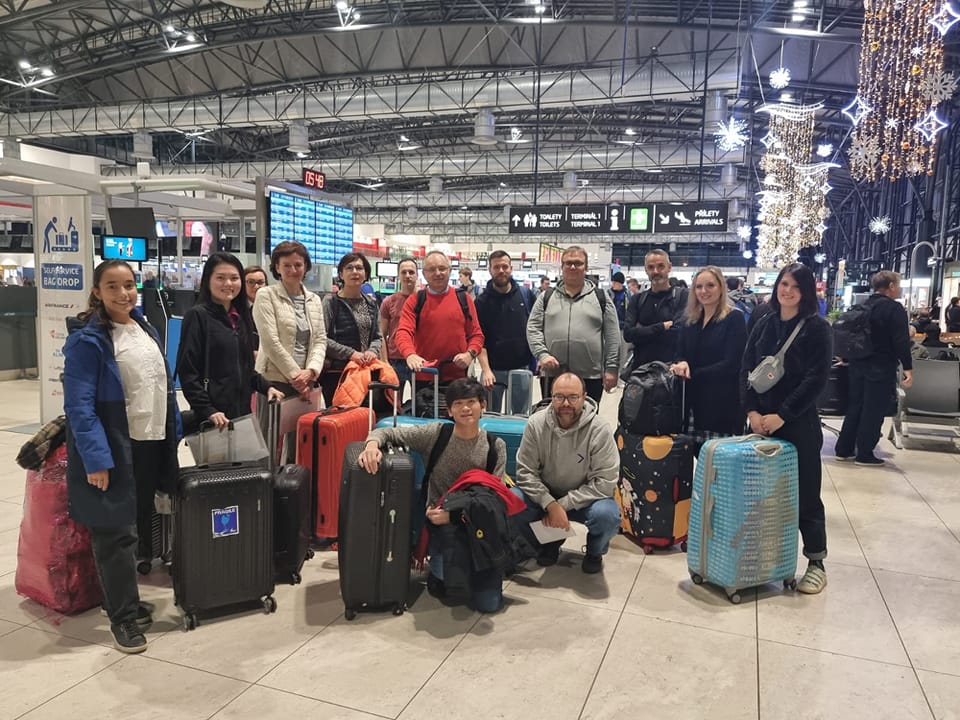
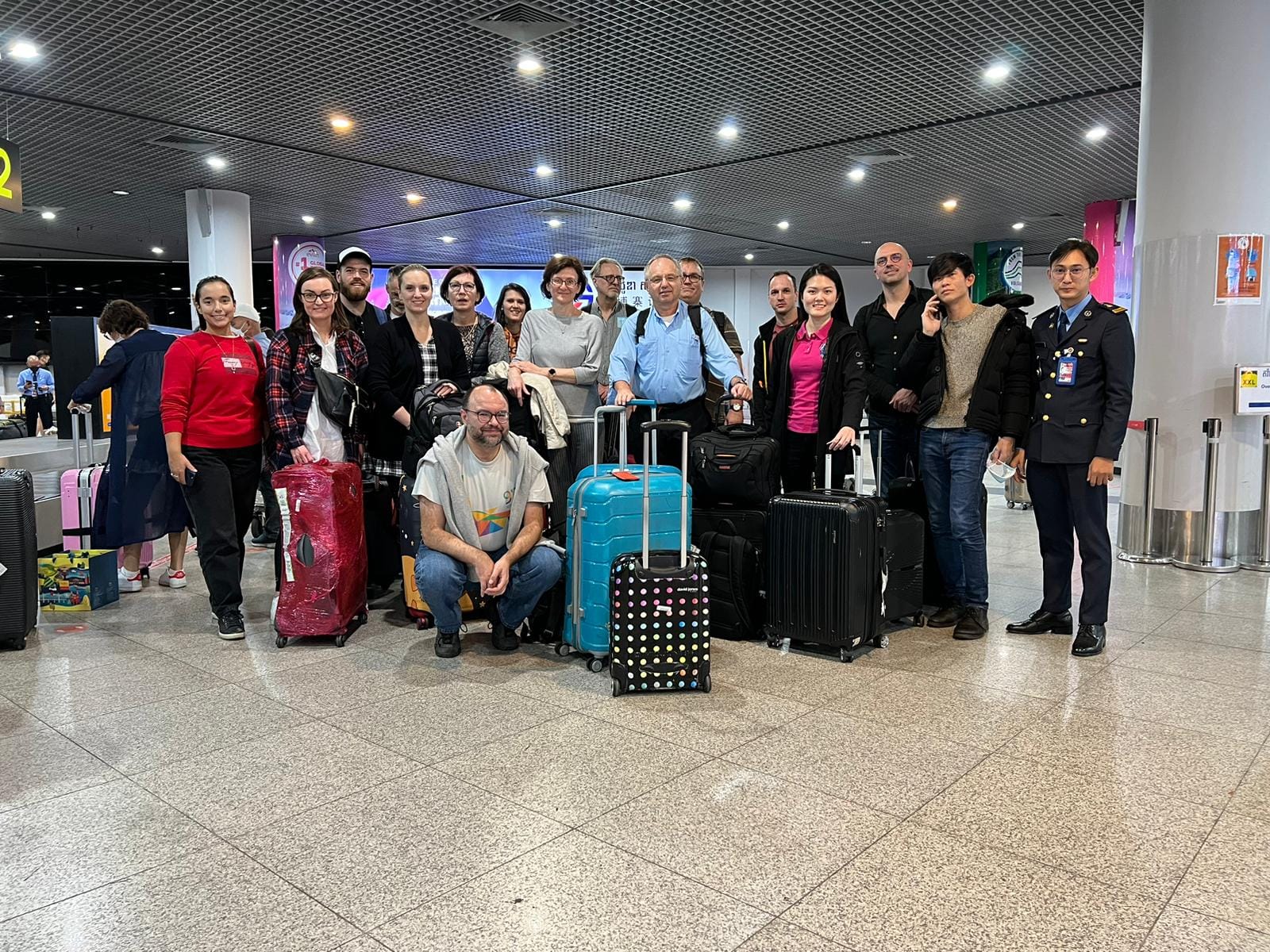
Phnom Penh Airport. We’ve arrived! The journey took us a full 25 hours.
 Mission accomplished: we didn’t lose a single member of the team along the way – unlike exactly one year ago, when COVID-19 had other plans for us.
7 January 2023
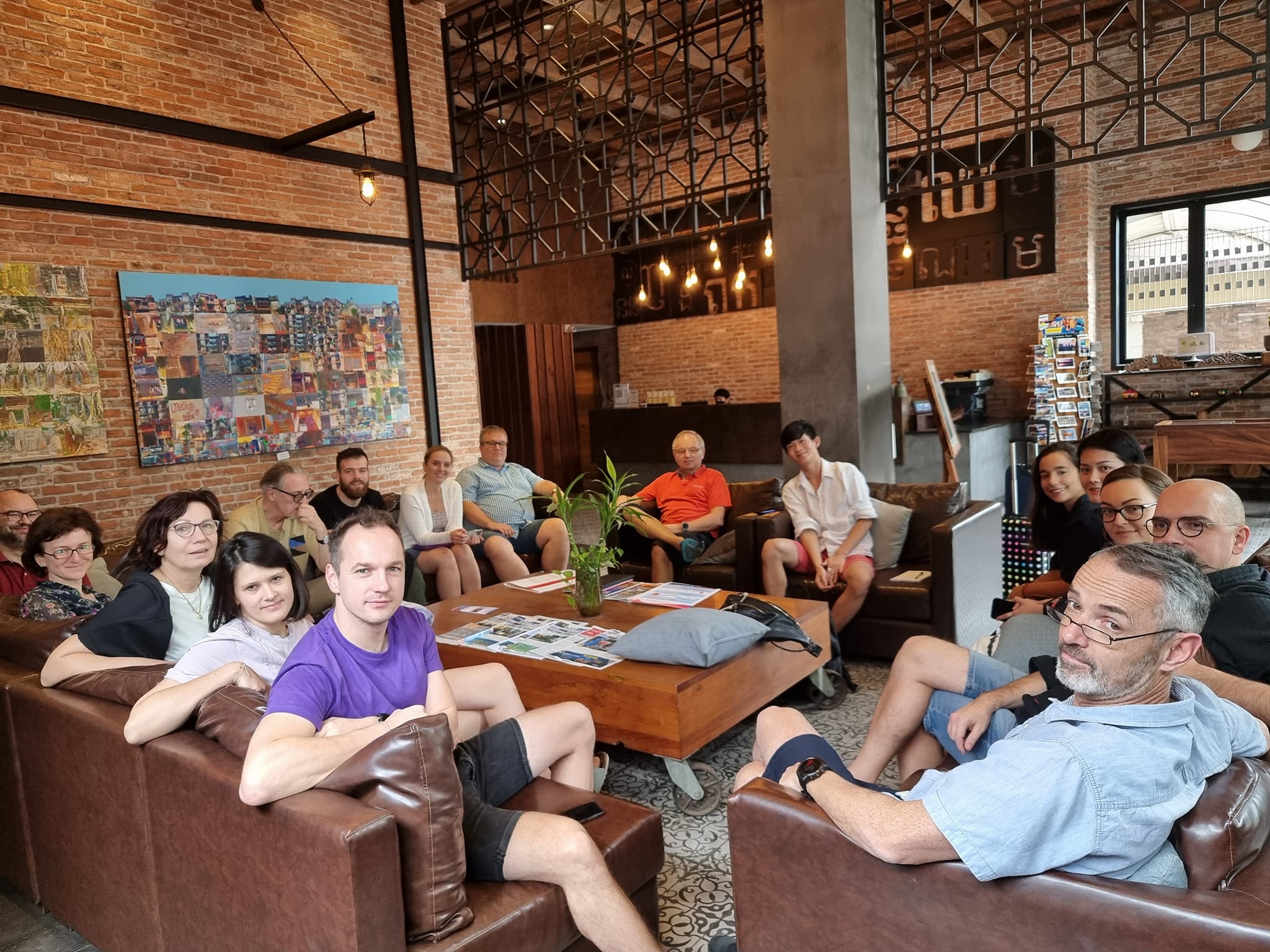
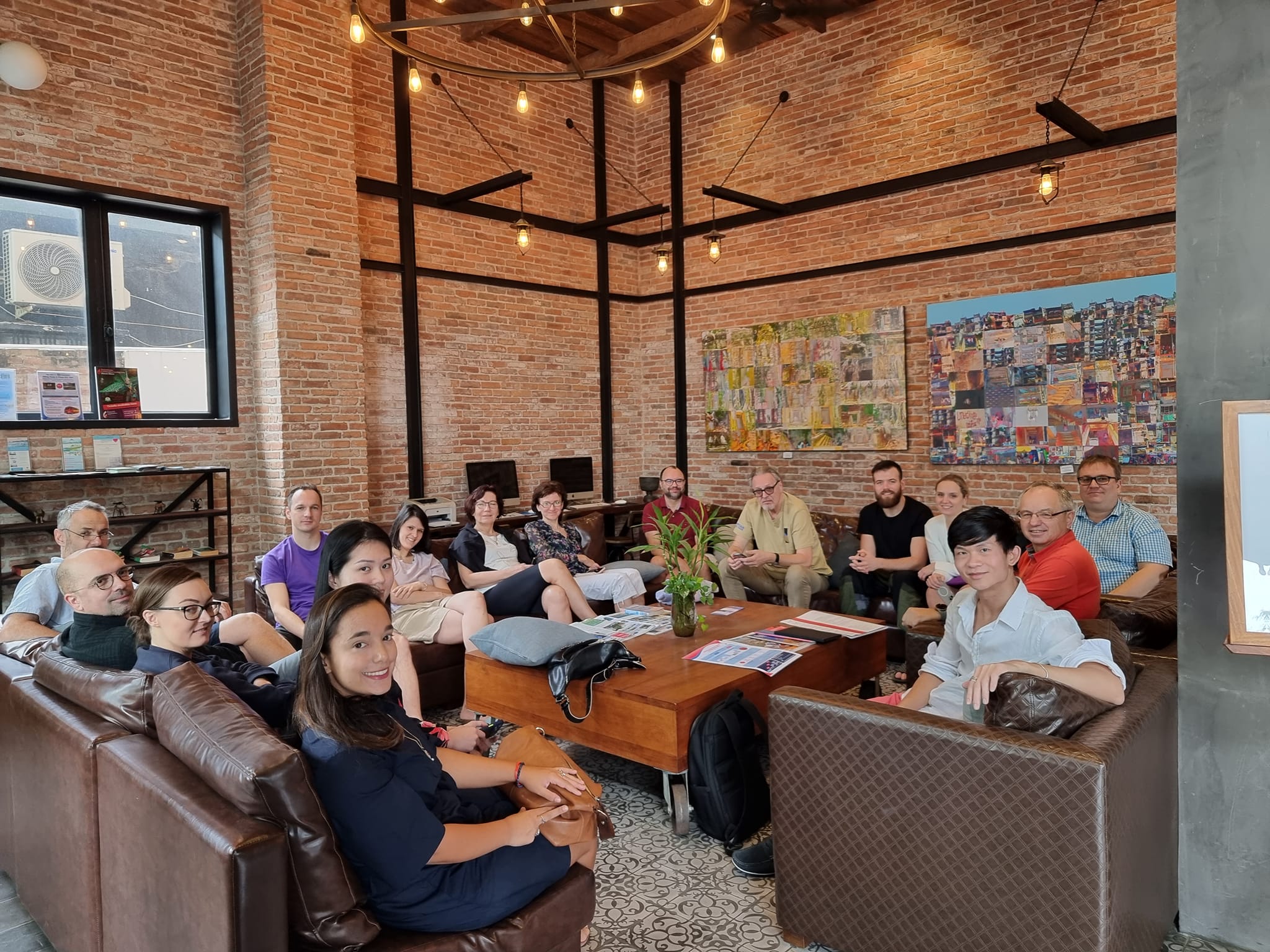
Morning. Jet lag, a coordination meeting – and just like that, the work begins...
8. leden 2023
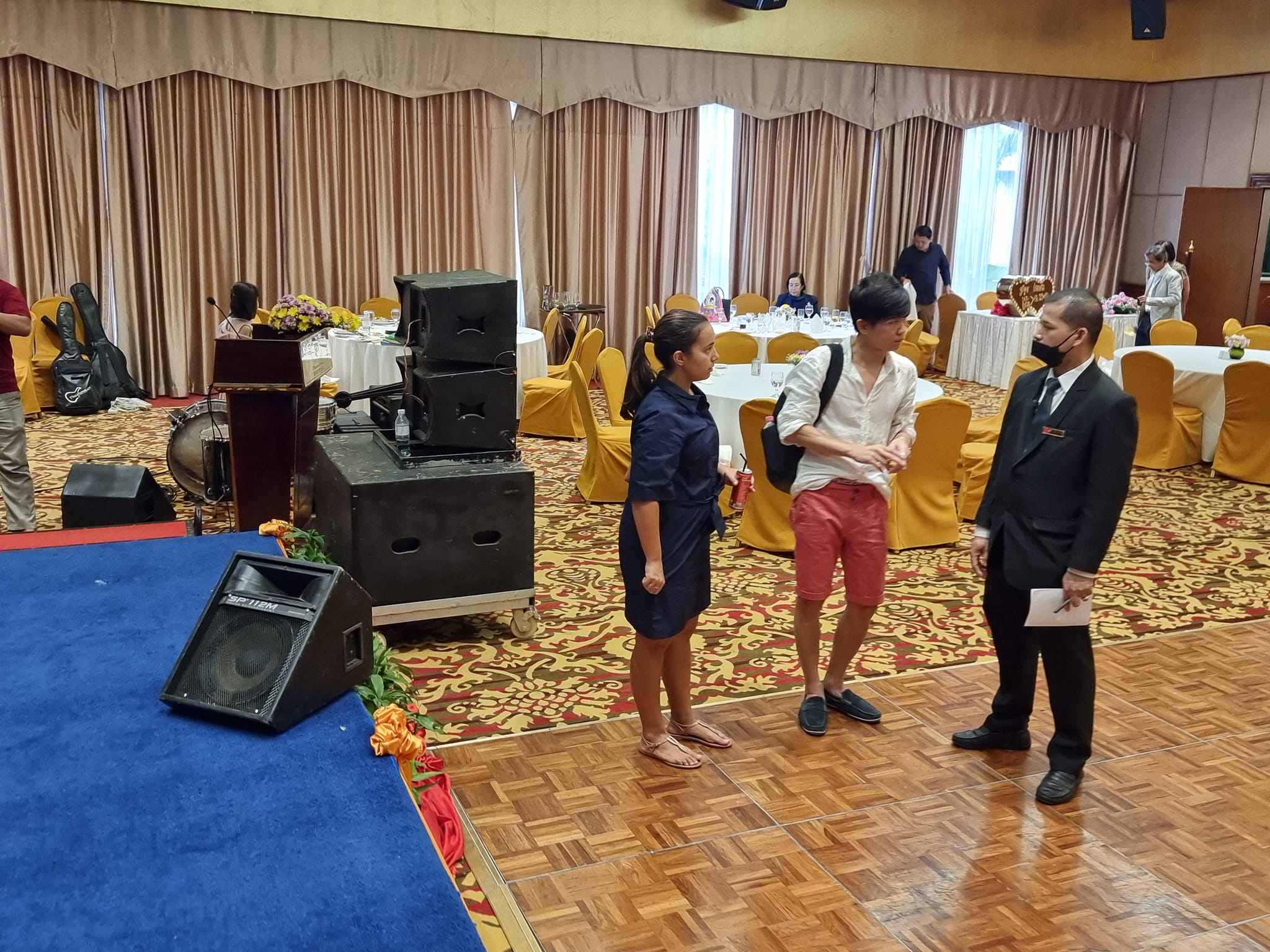
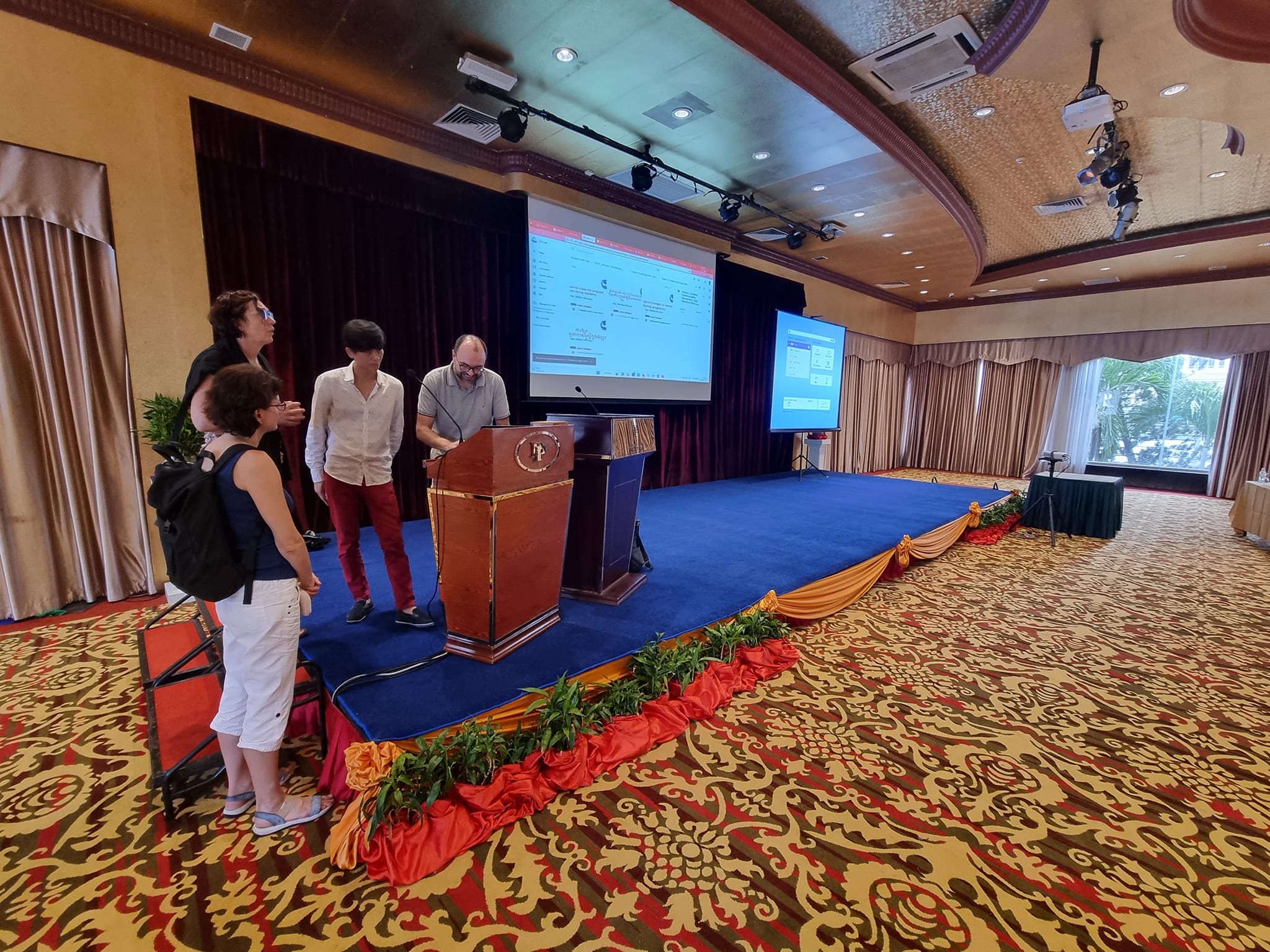
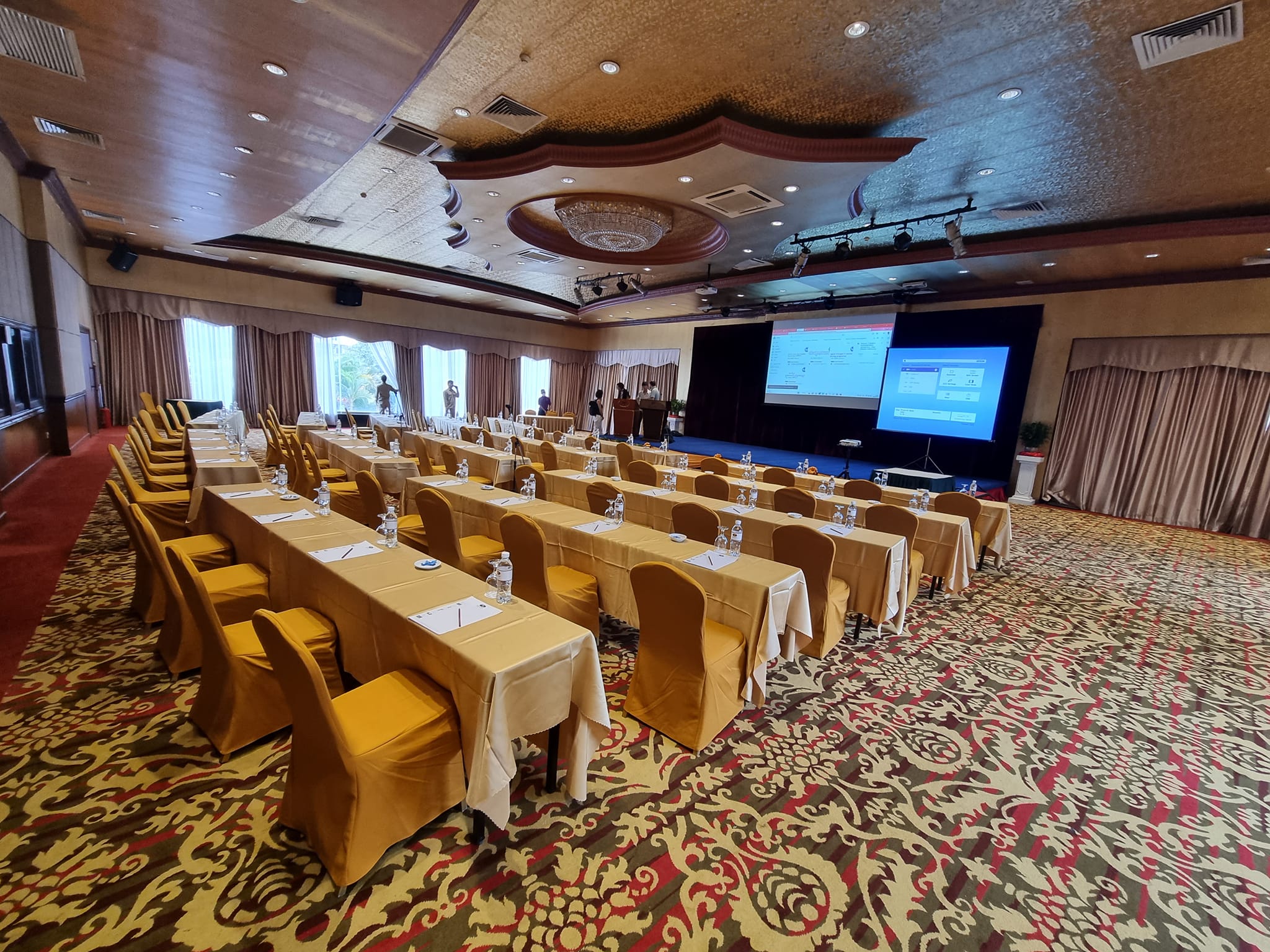
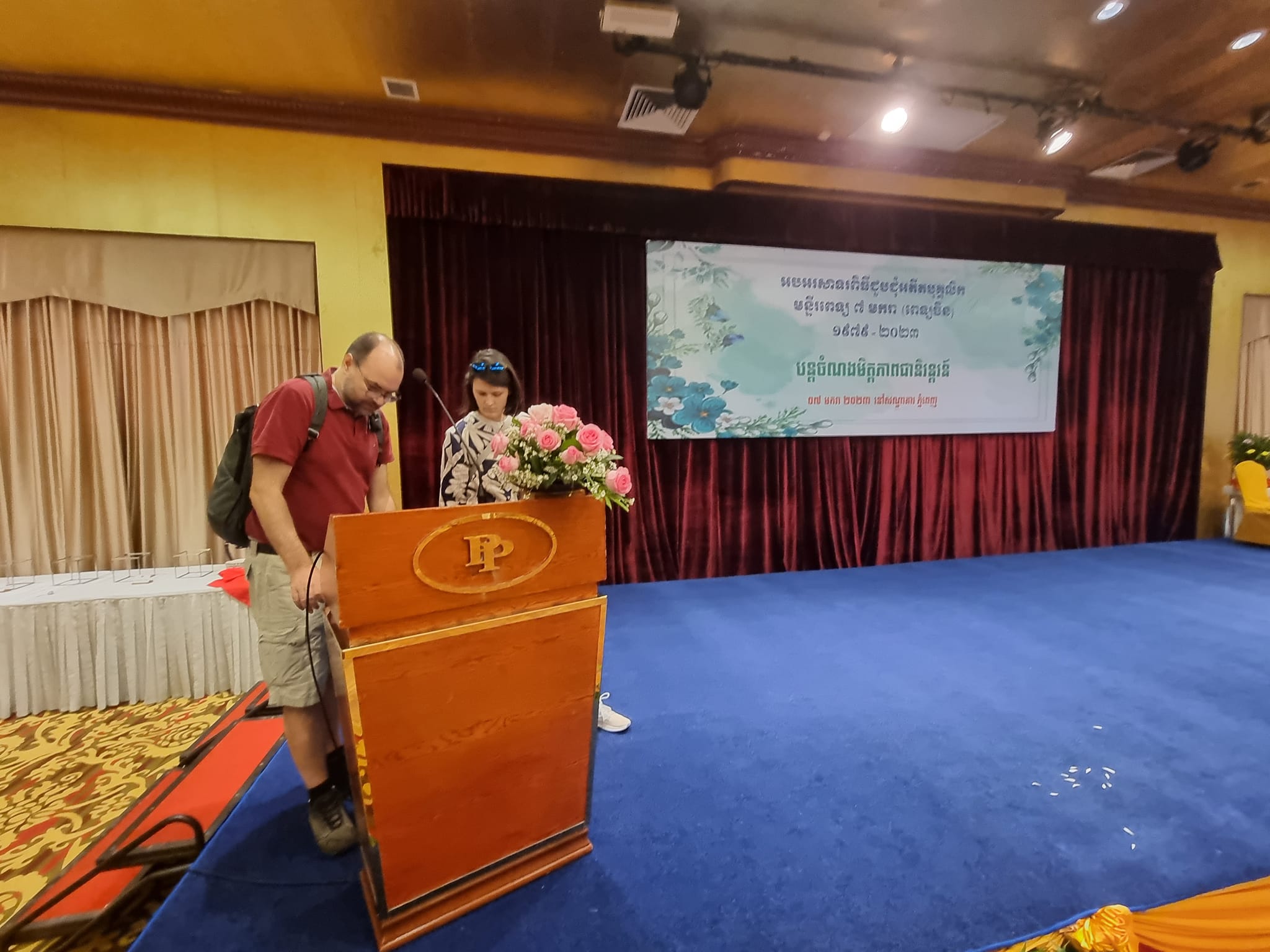
Preparations for the educational conference are in full swing. Our excellent IT and audiovisual specialists are hard at work. Michal Krsek , in particular, is absolutely invaluable as he tackles the challenge of making Central European Windows systems work seamlessly with Cambodian projectors.
9 January 2023
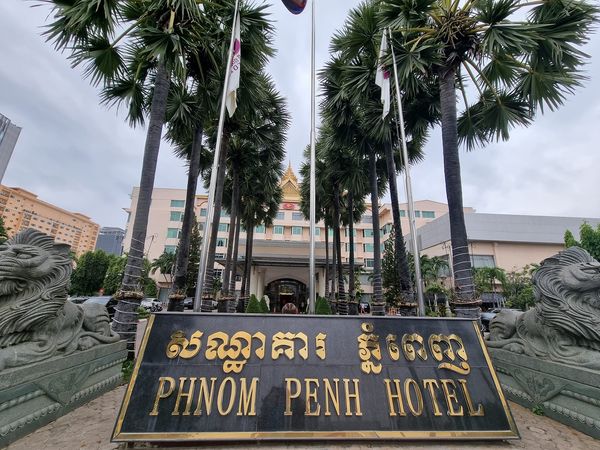
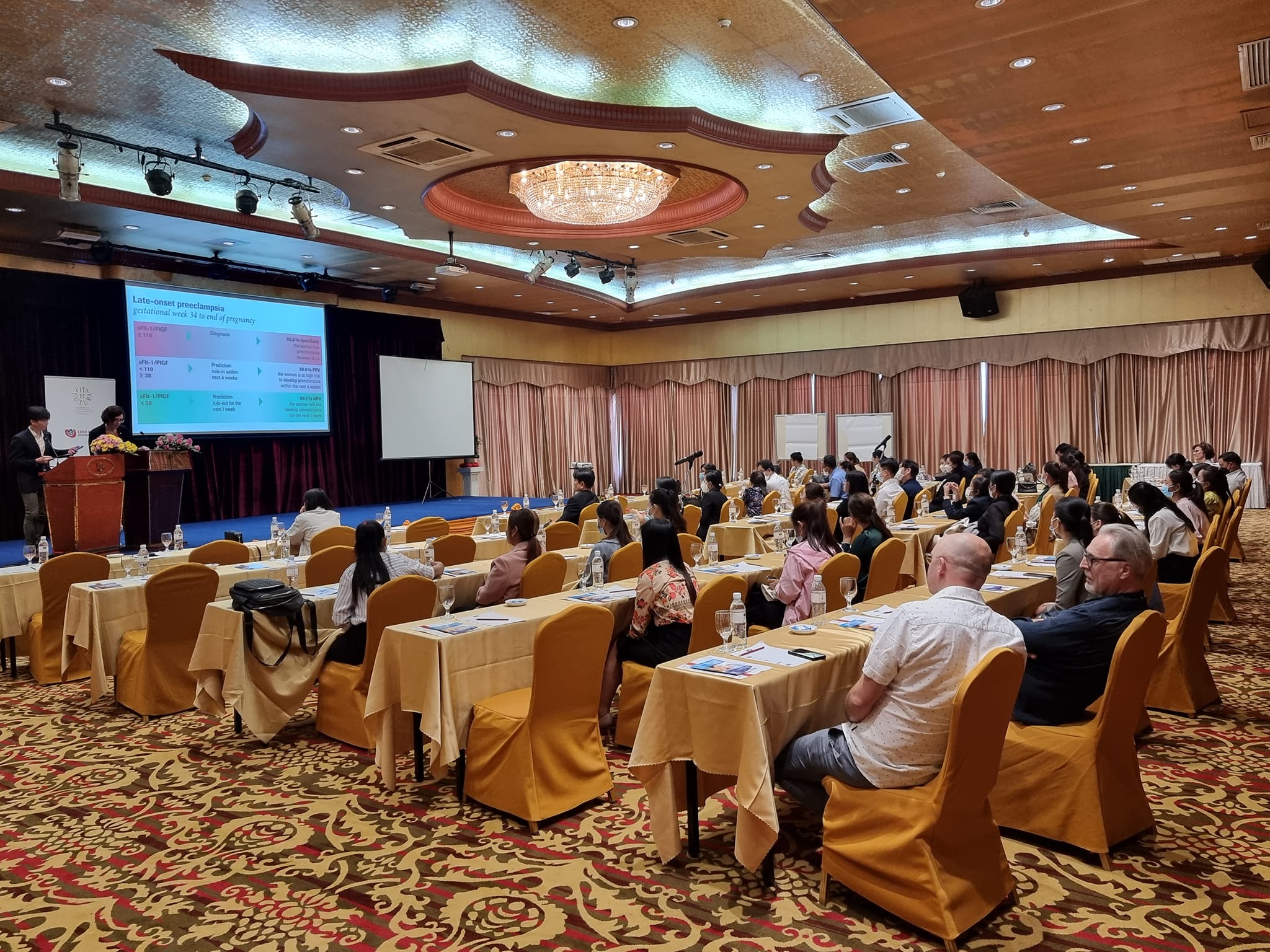
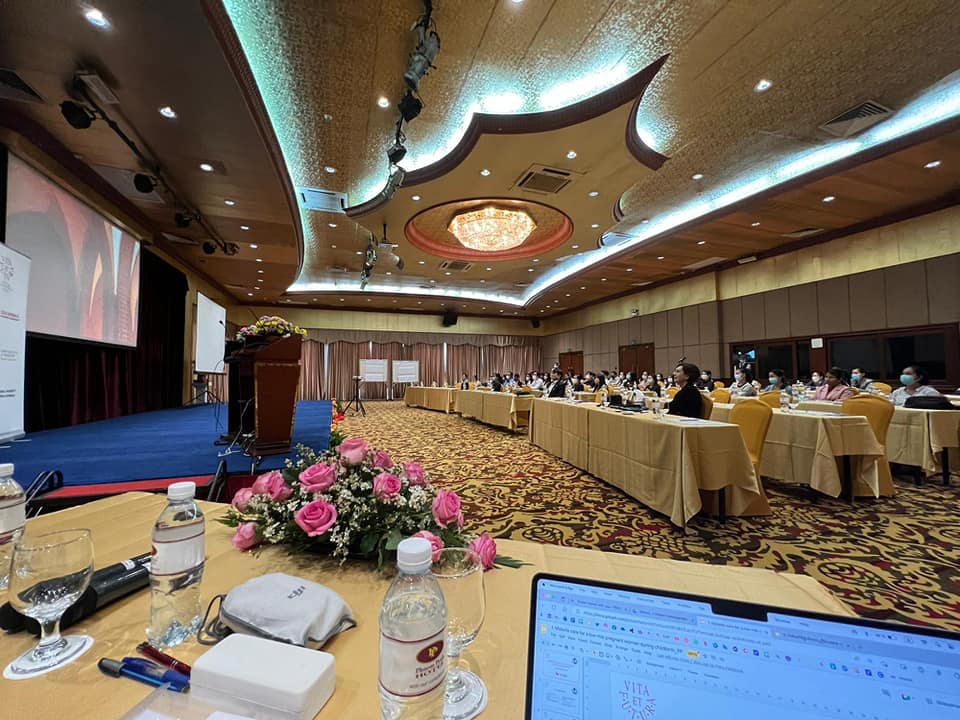
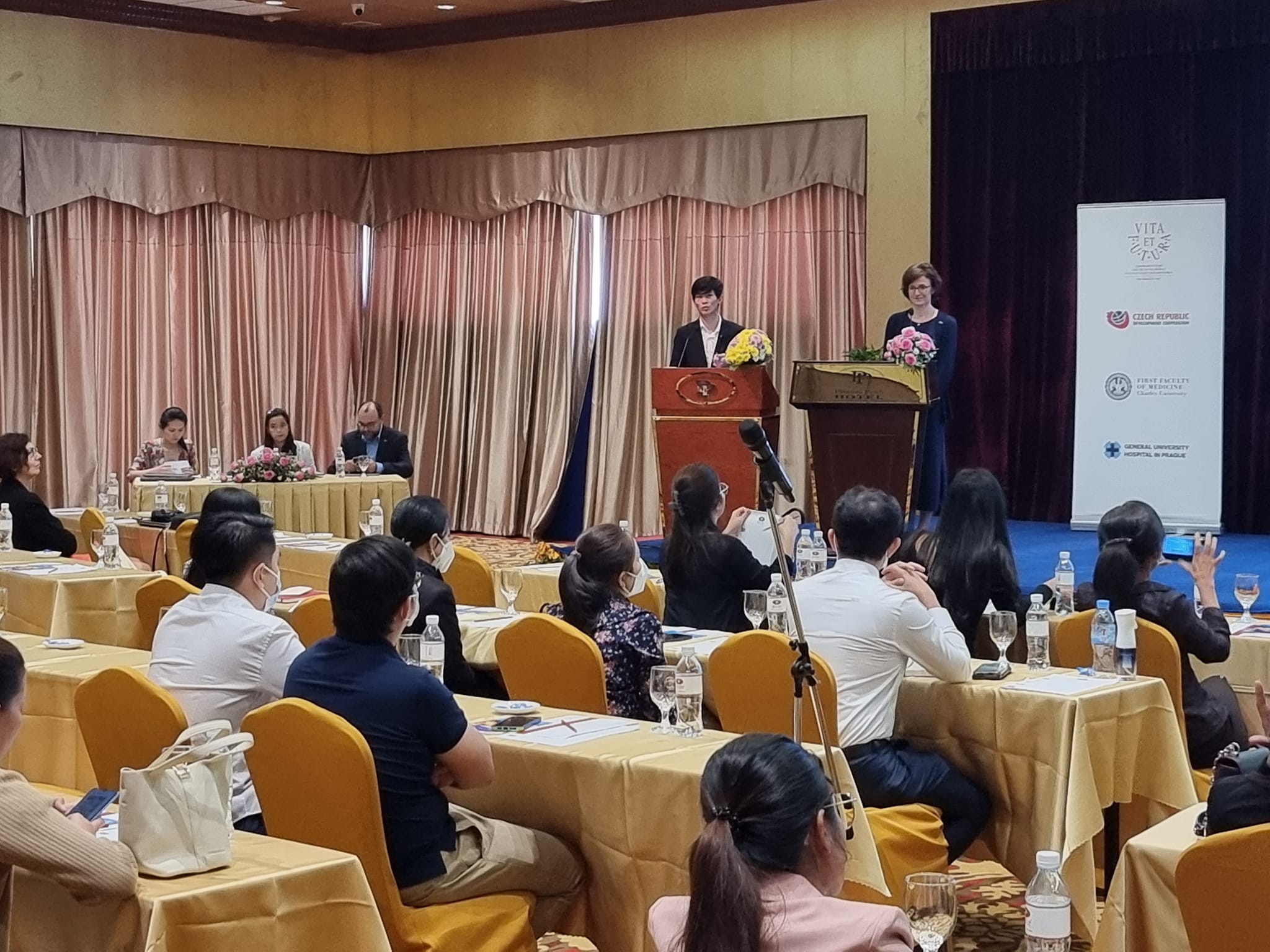
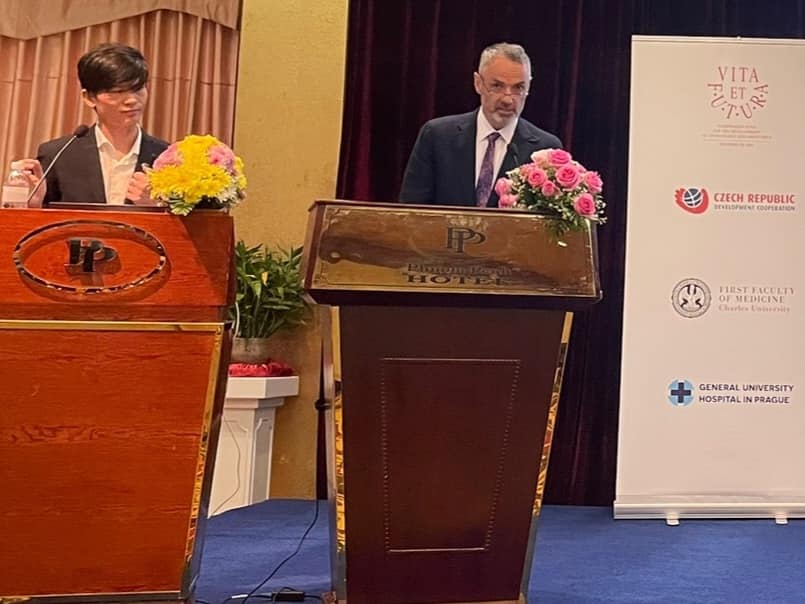
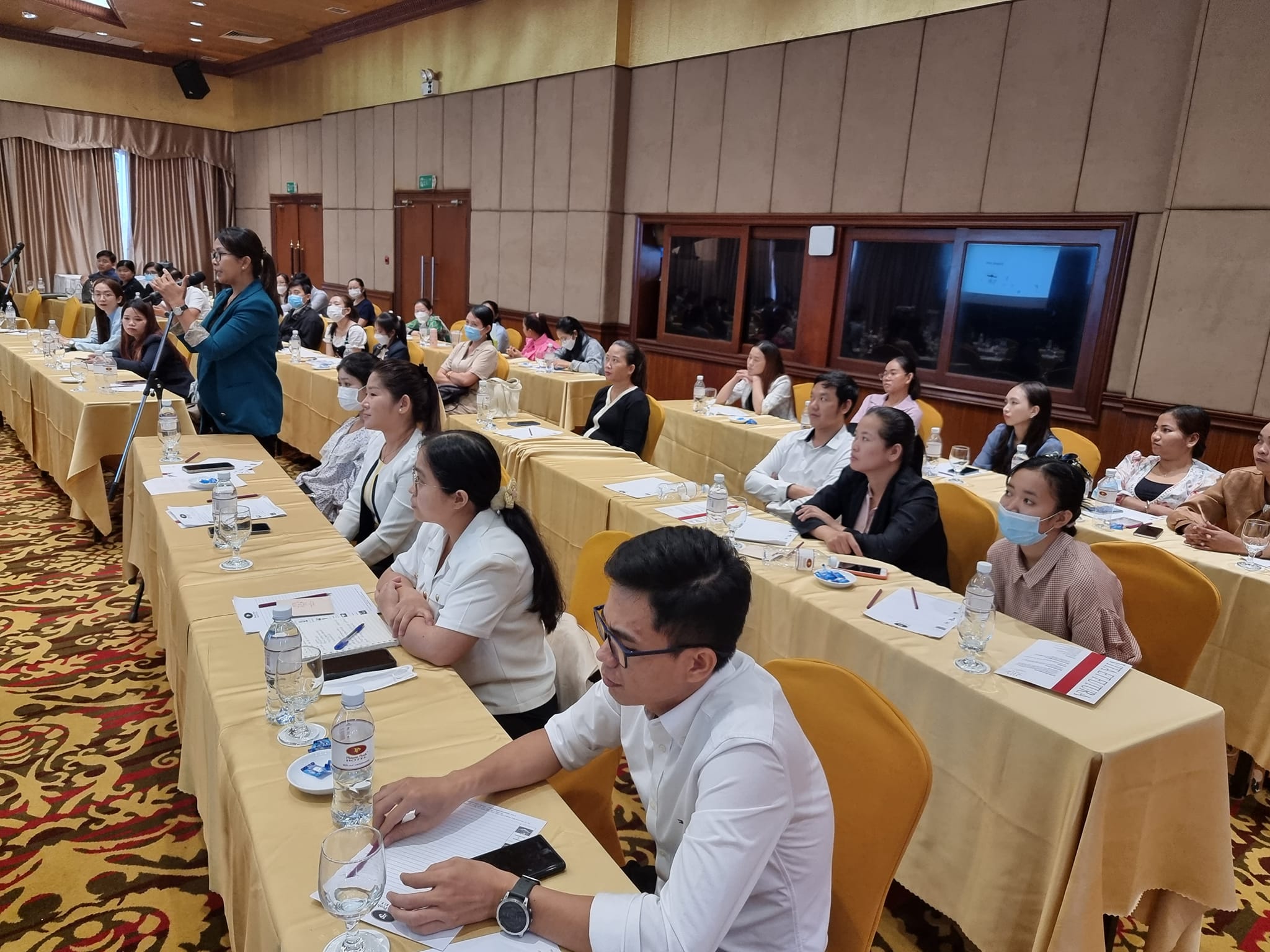
The event opened with the Cambodian national anthem, followed by an official welcome that demonstrated the importance local doctors and midwives attach to our multidisciplinary educational conference, organised as part of humanitarian assistance supported by CzechAid.
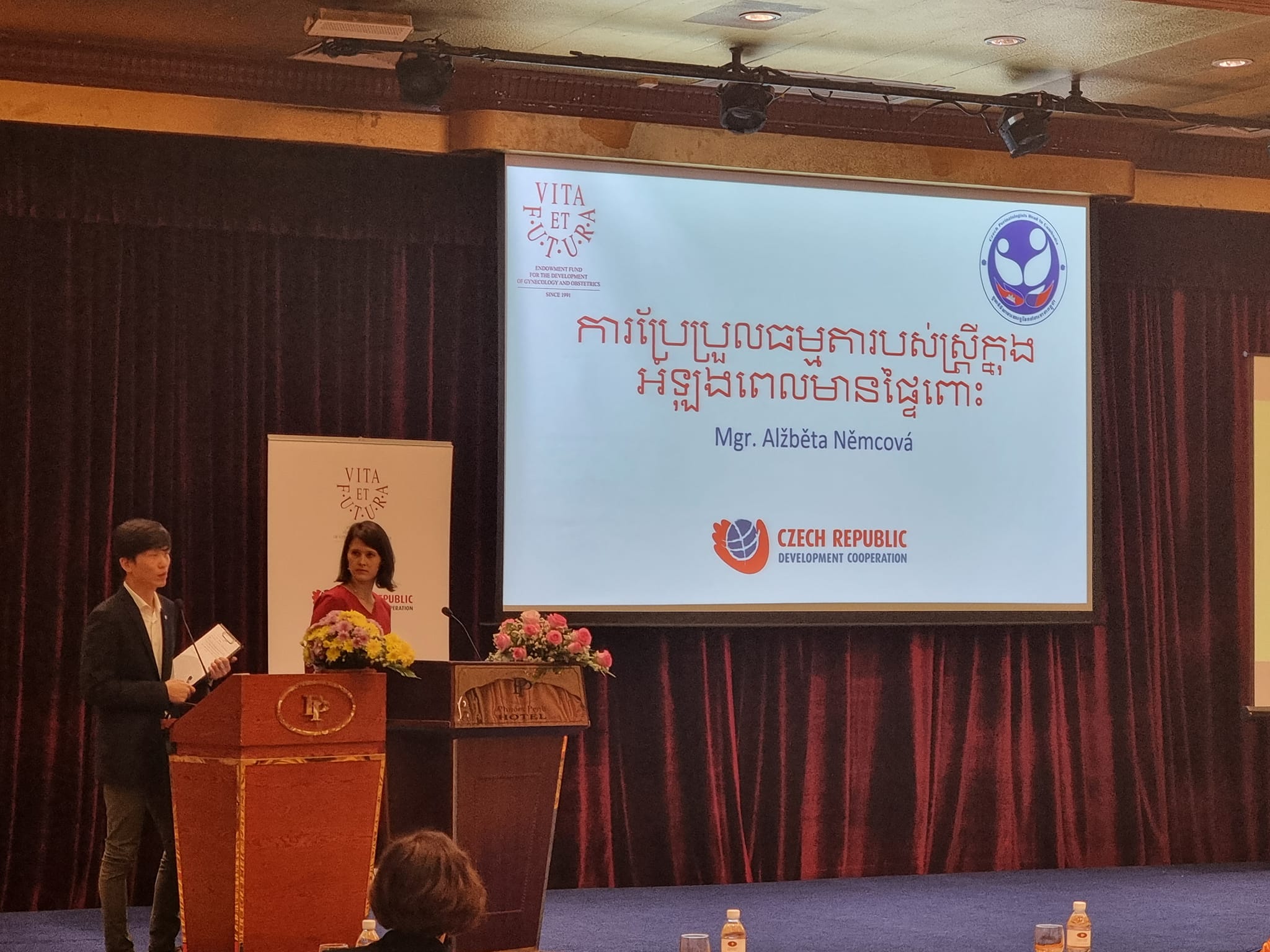
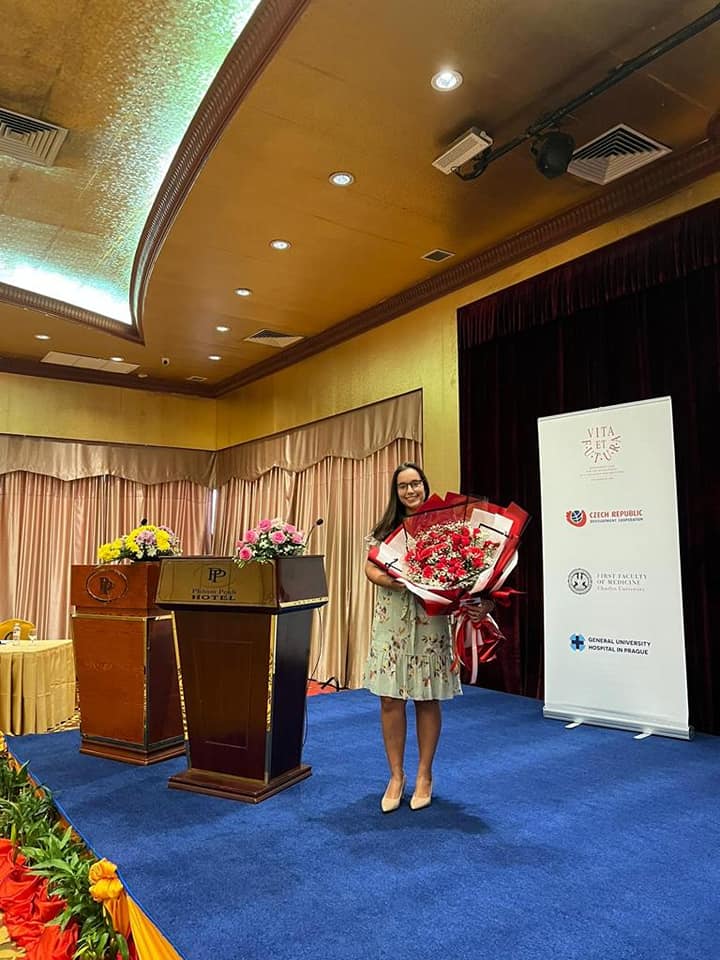
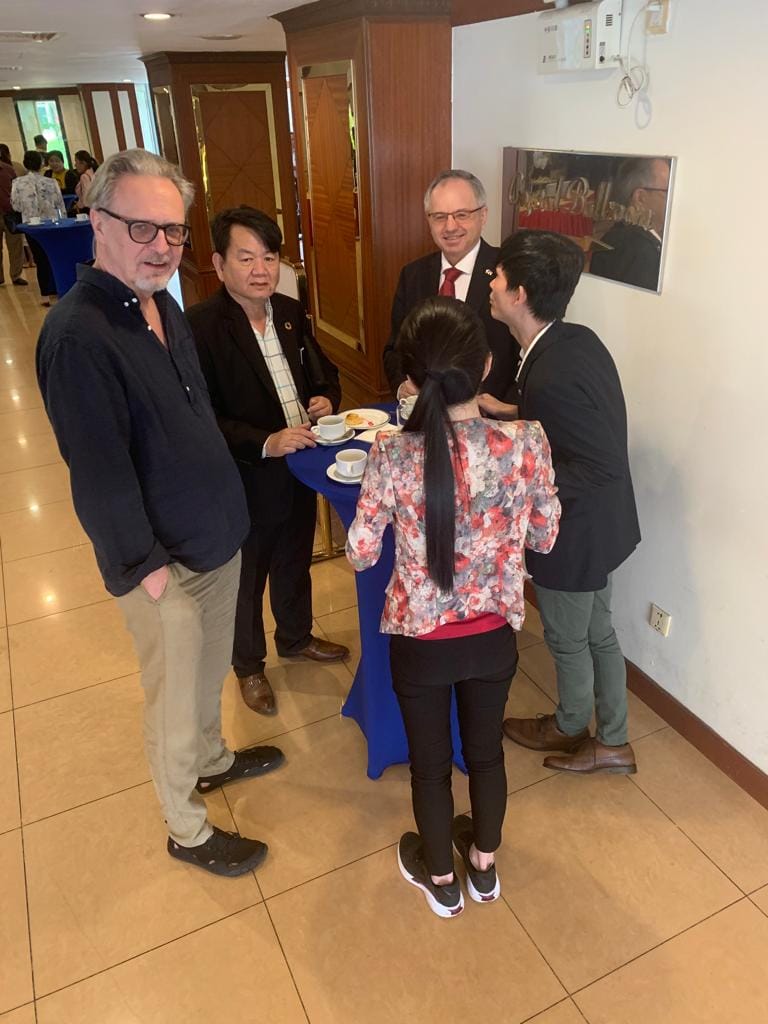
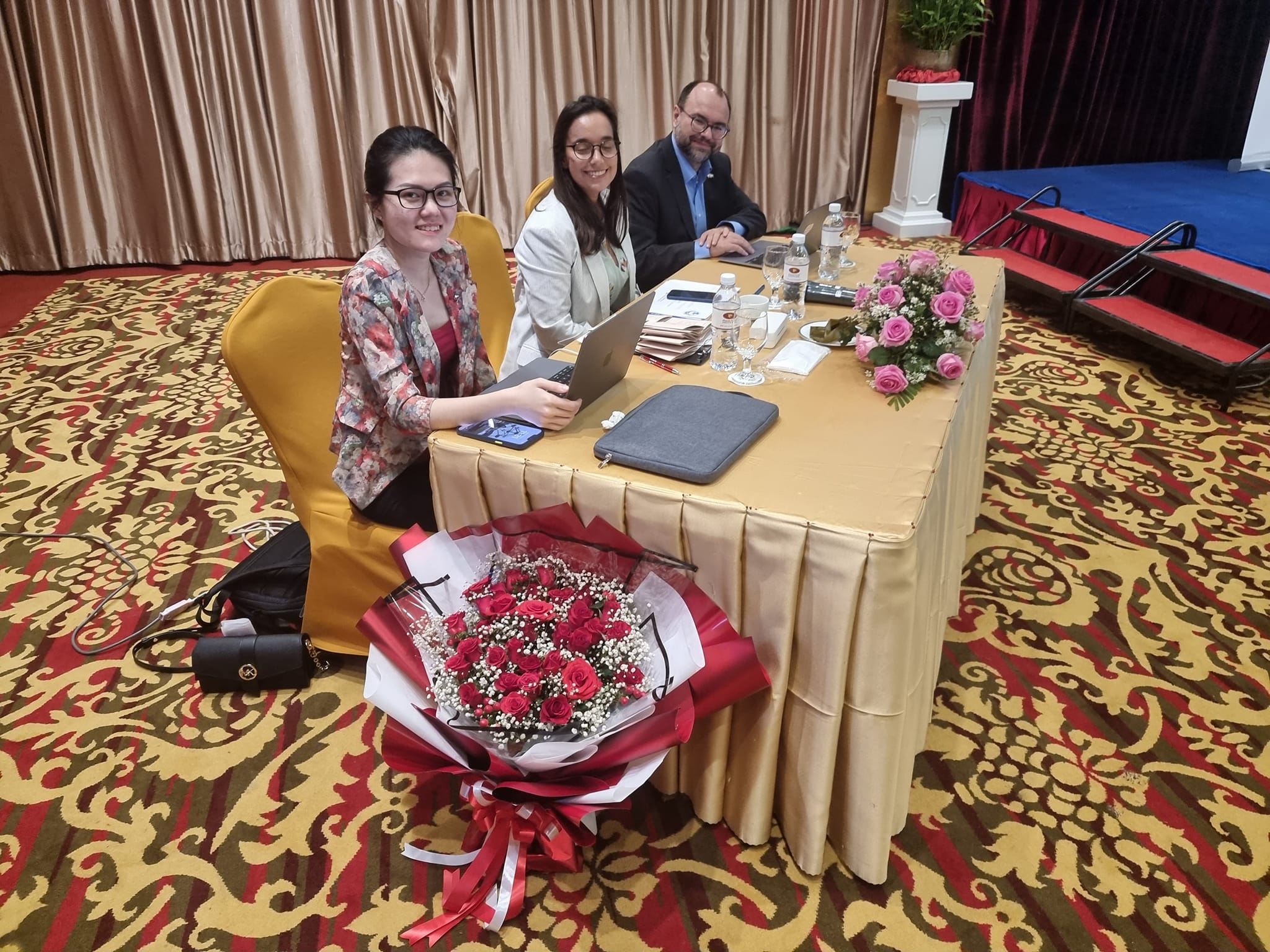
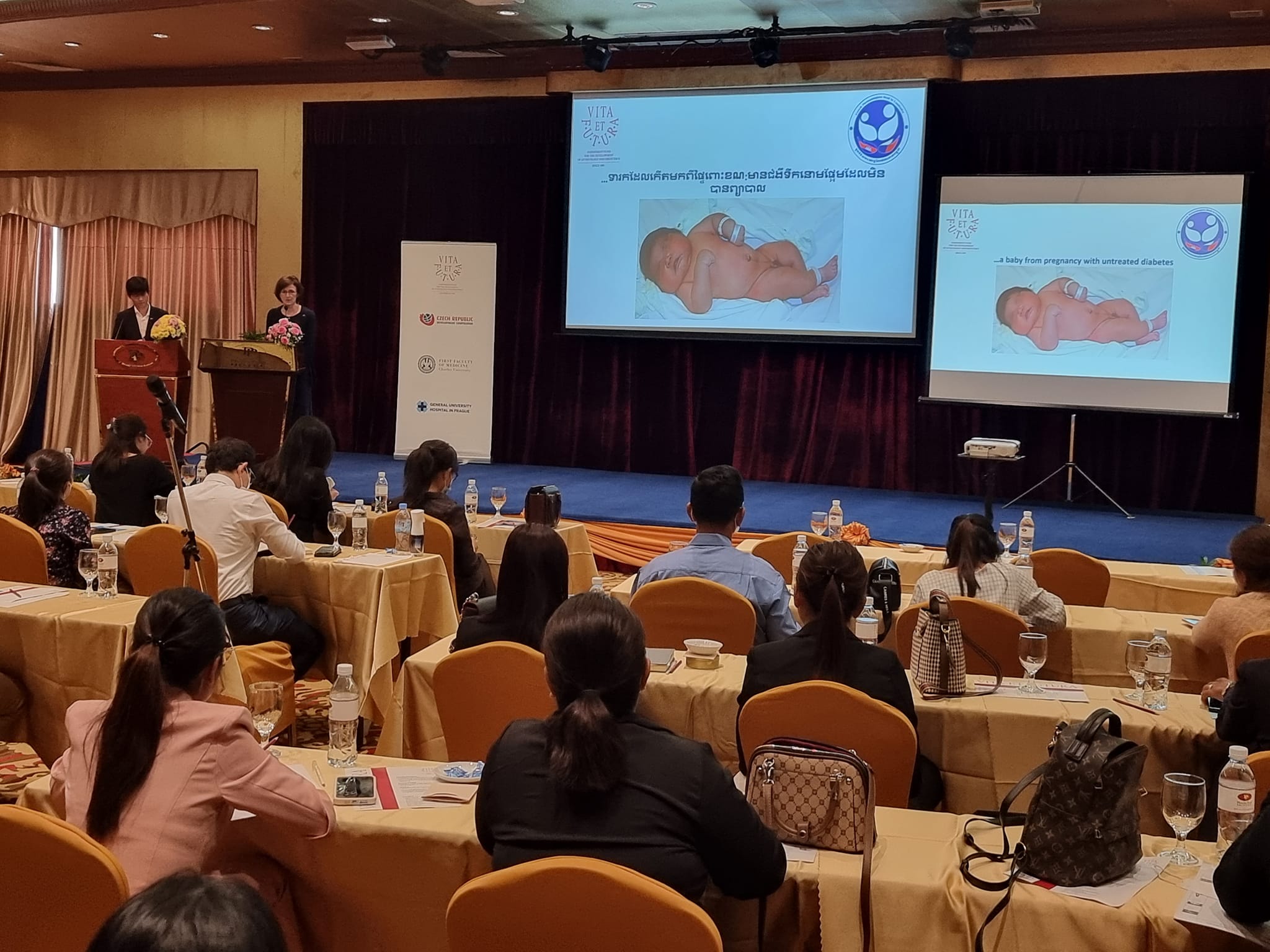
Before the programme began, we presented a bouquet of flowers to our ambassador, Katka Slabá in recognition of her six months of work at the National Pediatric Hospital. The programme then started with a lecture on preterm birth. Midwife Mgr. A. Němcová presented the system of triage for low-risk and high-risk pregnant women in the Czech Republic, followed by the care provided by midwives to low-risk pregnant women and mothers. MUDr. Z. Kokrdová presented recent developments in the management of pre-eclampsia. The lecture by MUDr. H. Krejčí on diabetes in pregnancy also attracted considerable interest. The day concluded in the late afternoon with a presentation on preterm birth. The audience particularly appreciated video presentations of interesting clinical cases from our practice. It was a pleasure to meet the director of the National Pediatric Hospital, Nhep Angkeabos again after a year. He highly praised our work in preparing the English-Khmer presentation slides and, in particular, the dedicated work of our interpreter, Ratanak Sio No one knows what the future will bring, but because our colleagues from Cambodia showed great interest in such a varied programme, we will certainly continue.

10 January 2023
Yesterday was a very busy day – what we would nowadays call a “busy day.”
Wake-up call at 6:00 a.m., while some of us were still feeling the effects of jet lag.
A quick breakfast, followed by transport by tuk-tuk to the conference hotel.
The programme began with a presentation of the current recommended procedures for Caesarean sectionKatka Slabá).
This was followed by a presentation on operative vaginal delivery methods – vacuum extraction and obstetric forceps. These are life-saving techniques. Although the use of forceps is declining worldwide, every obstetrician should still know how to use them. There are situations in which they can save the life of a baby or mother. It is precisely the use of obstetric forceps that local midwives are seeing here for the first time in their lives.
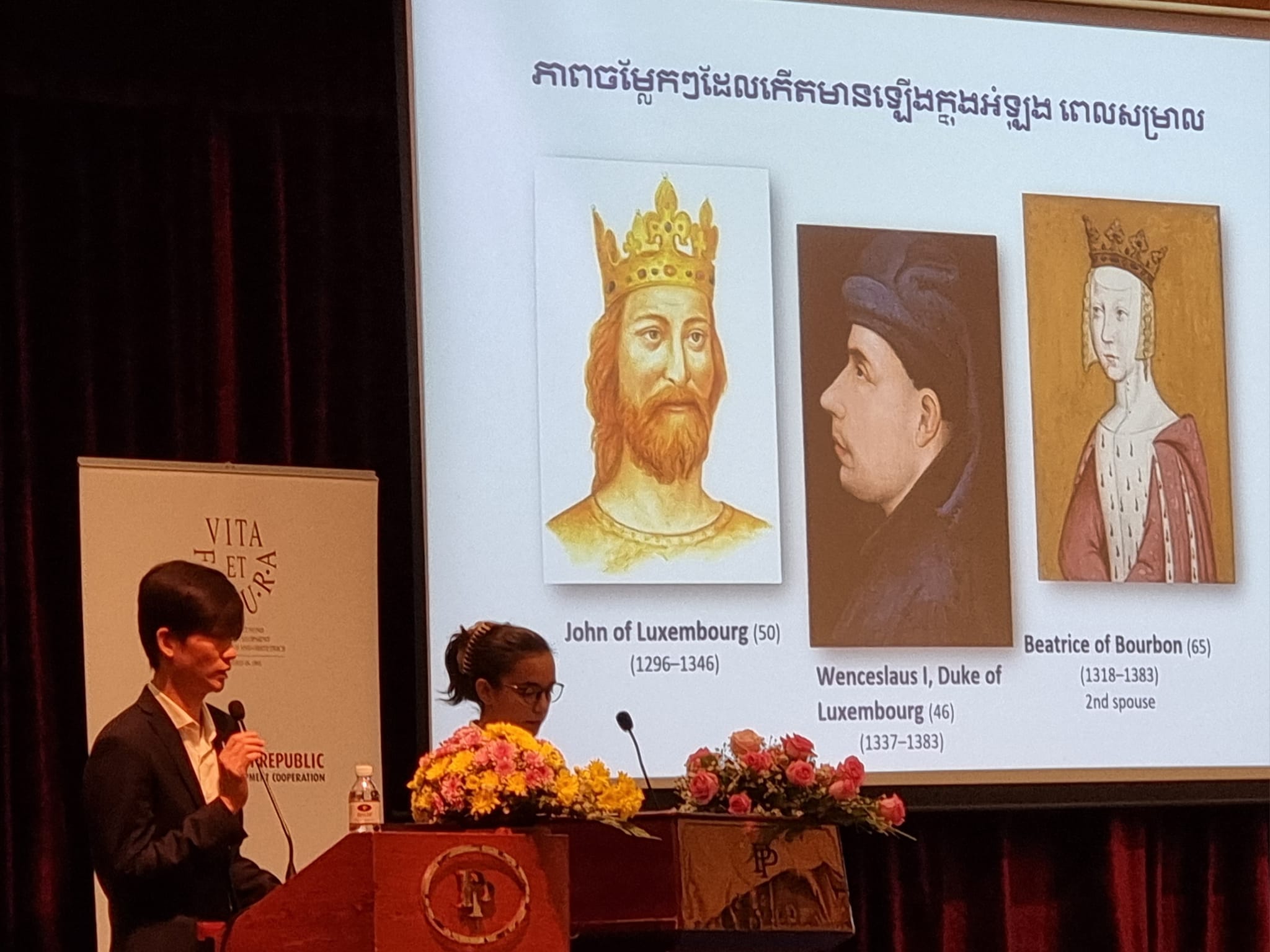
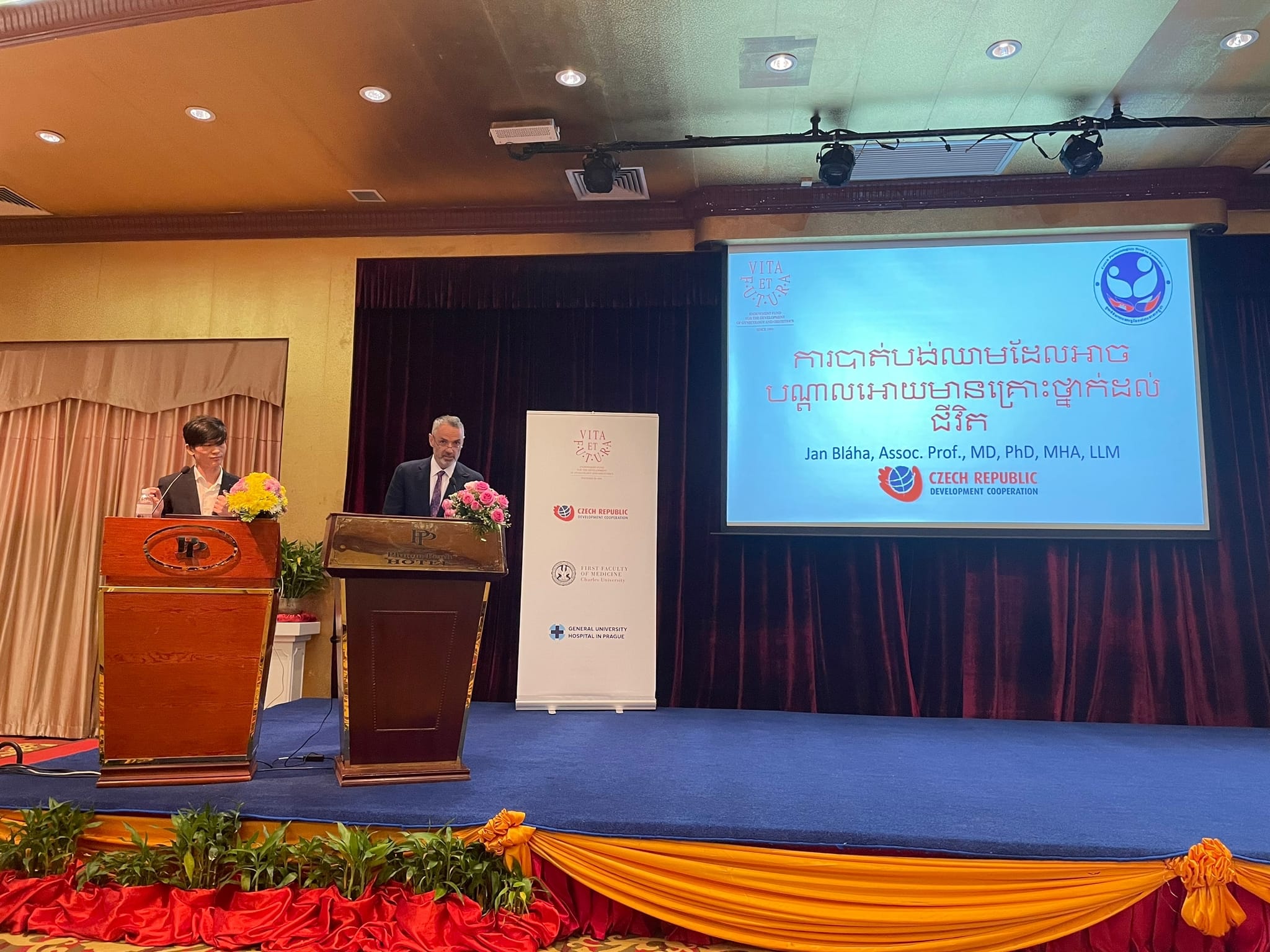
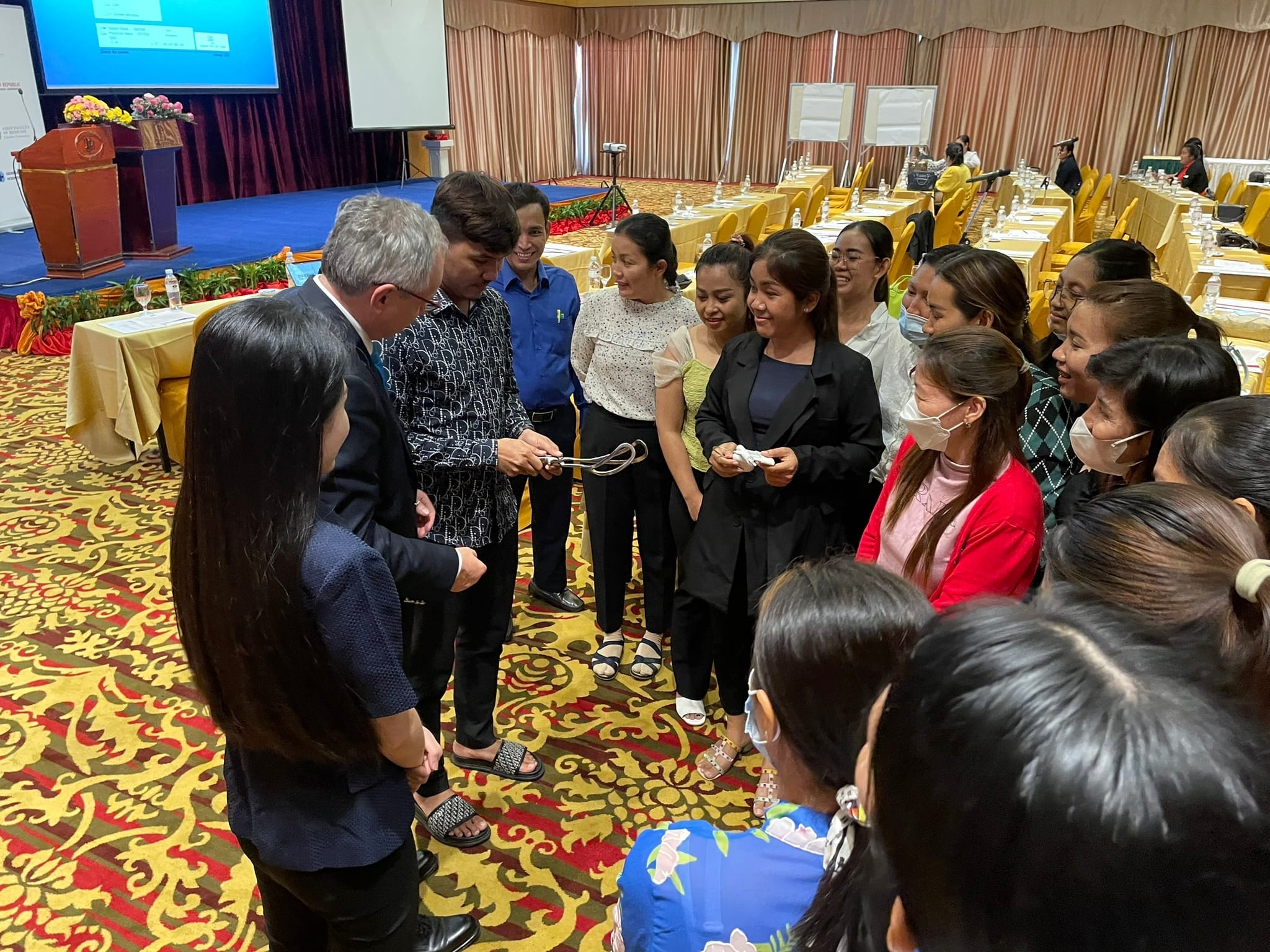
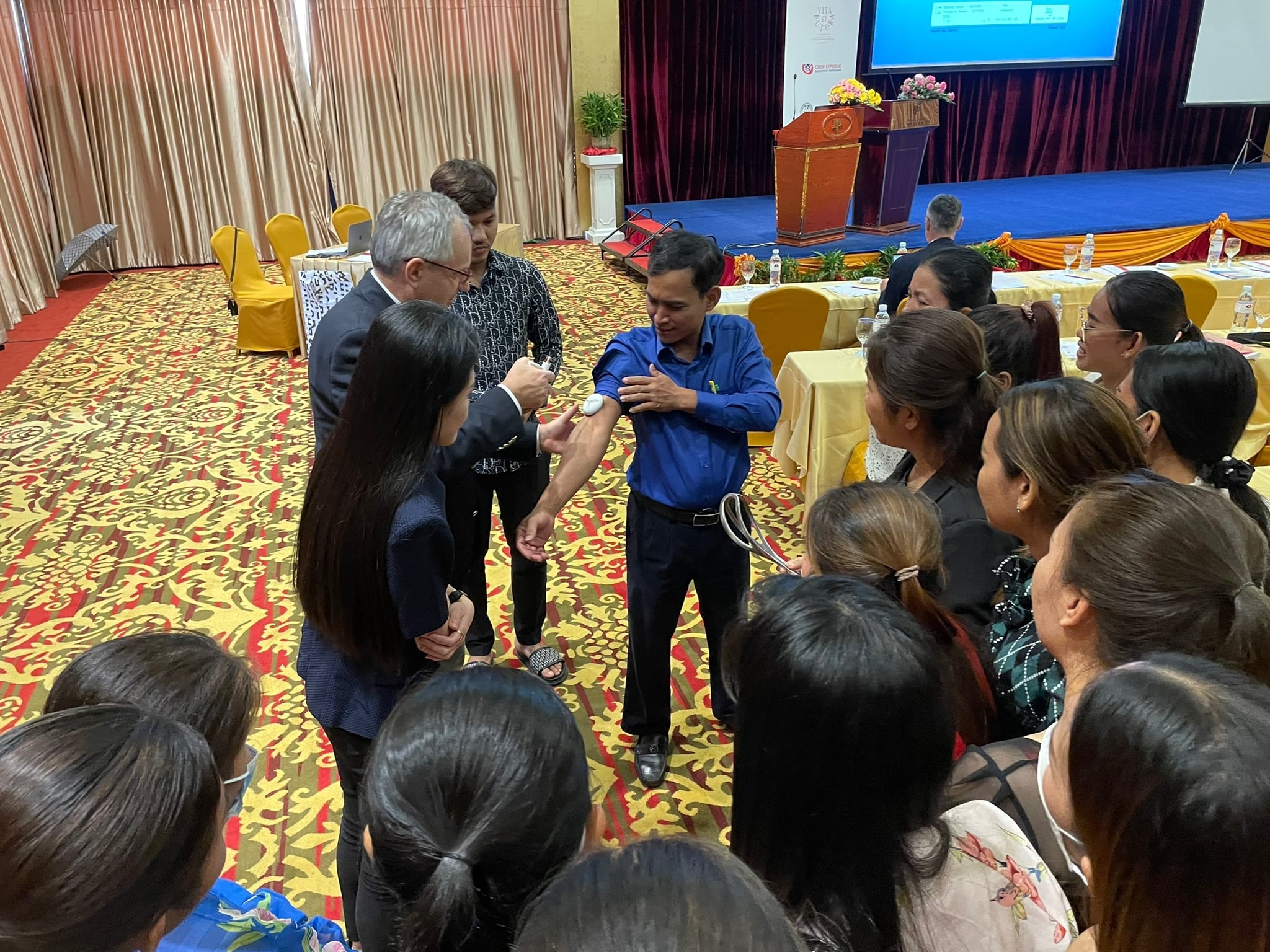
This was followed by a presentation on the latest approaches to life-threatening haemorrhage during childbirth, from both the obstetrician’s perspective (A. Pařízek) and the anaesthesiologist’s perspective (J. Bláha).
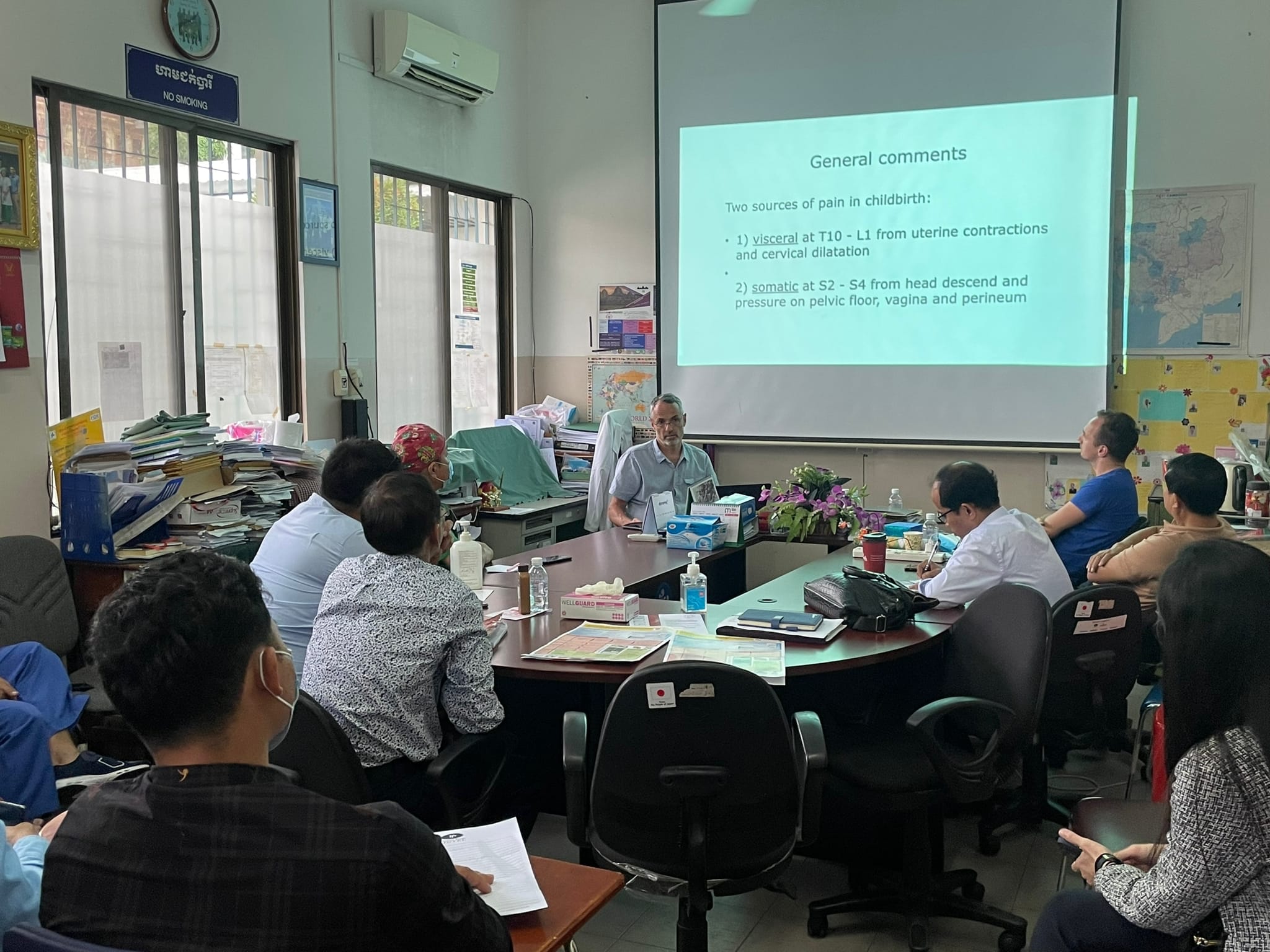
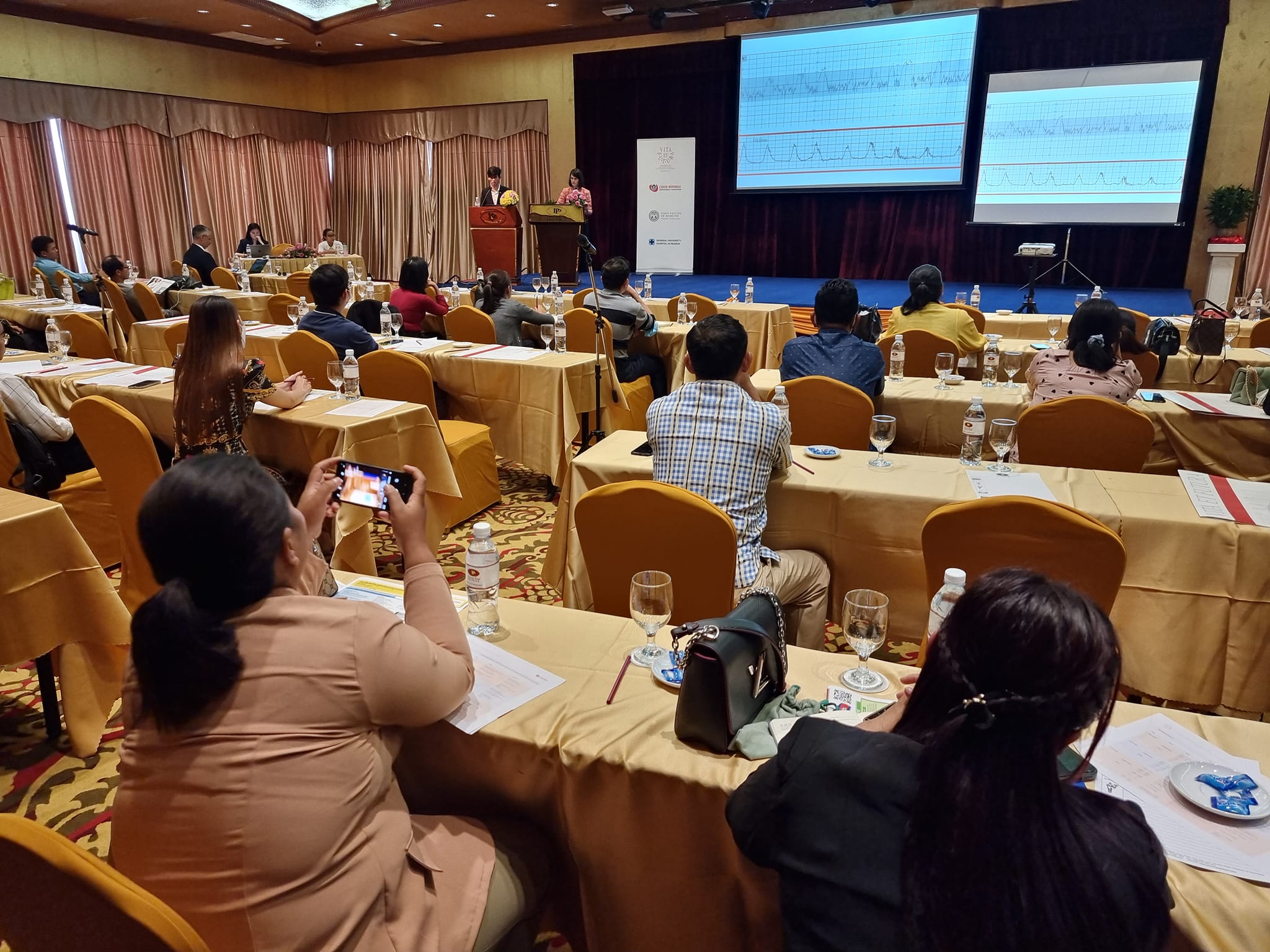
After lunch, K. Slabá and midwife A. Němcová presented the topic of intrapartum fetal monitoring using cardiotocography (CTG).
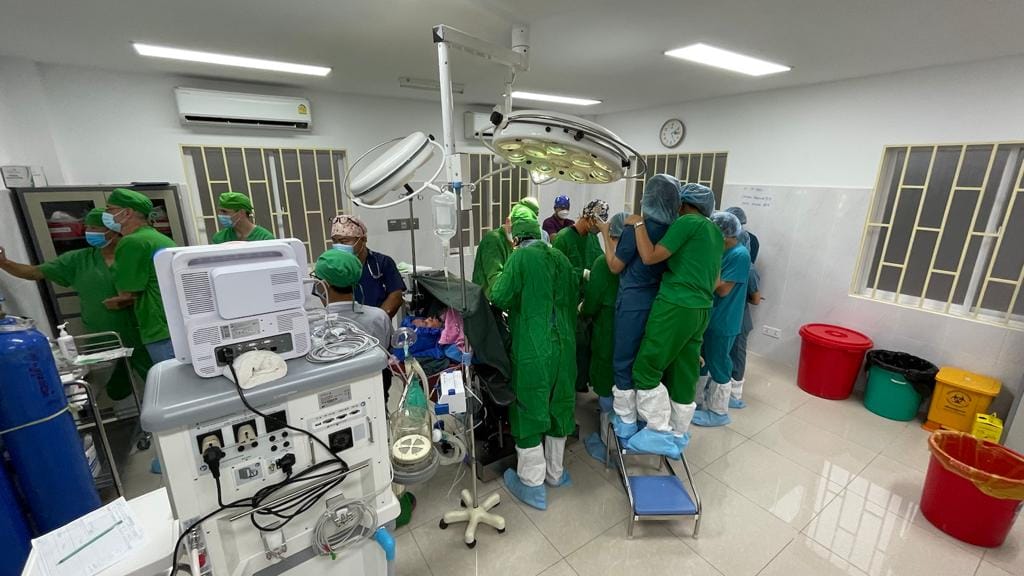
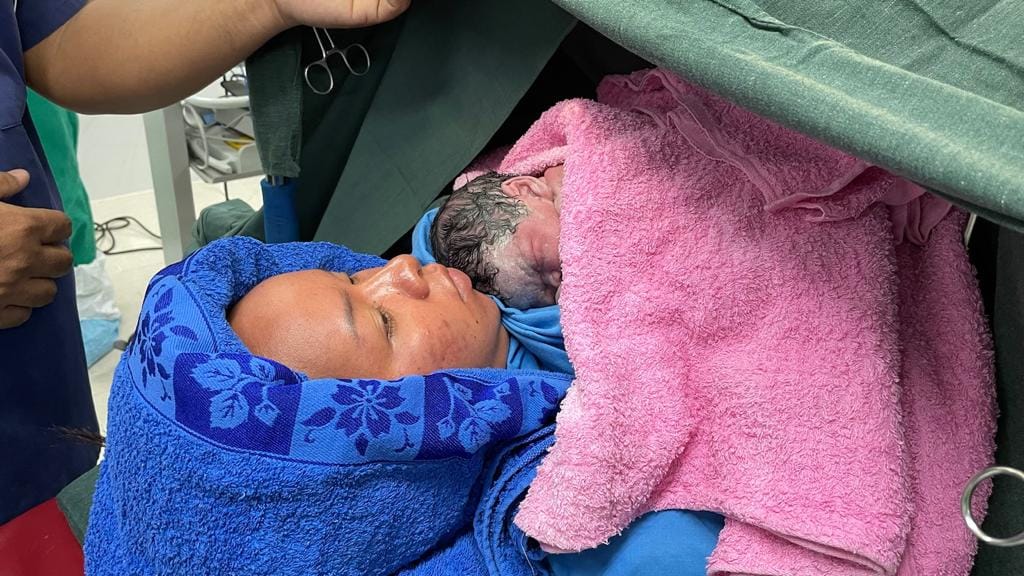
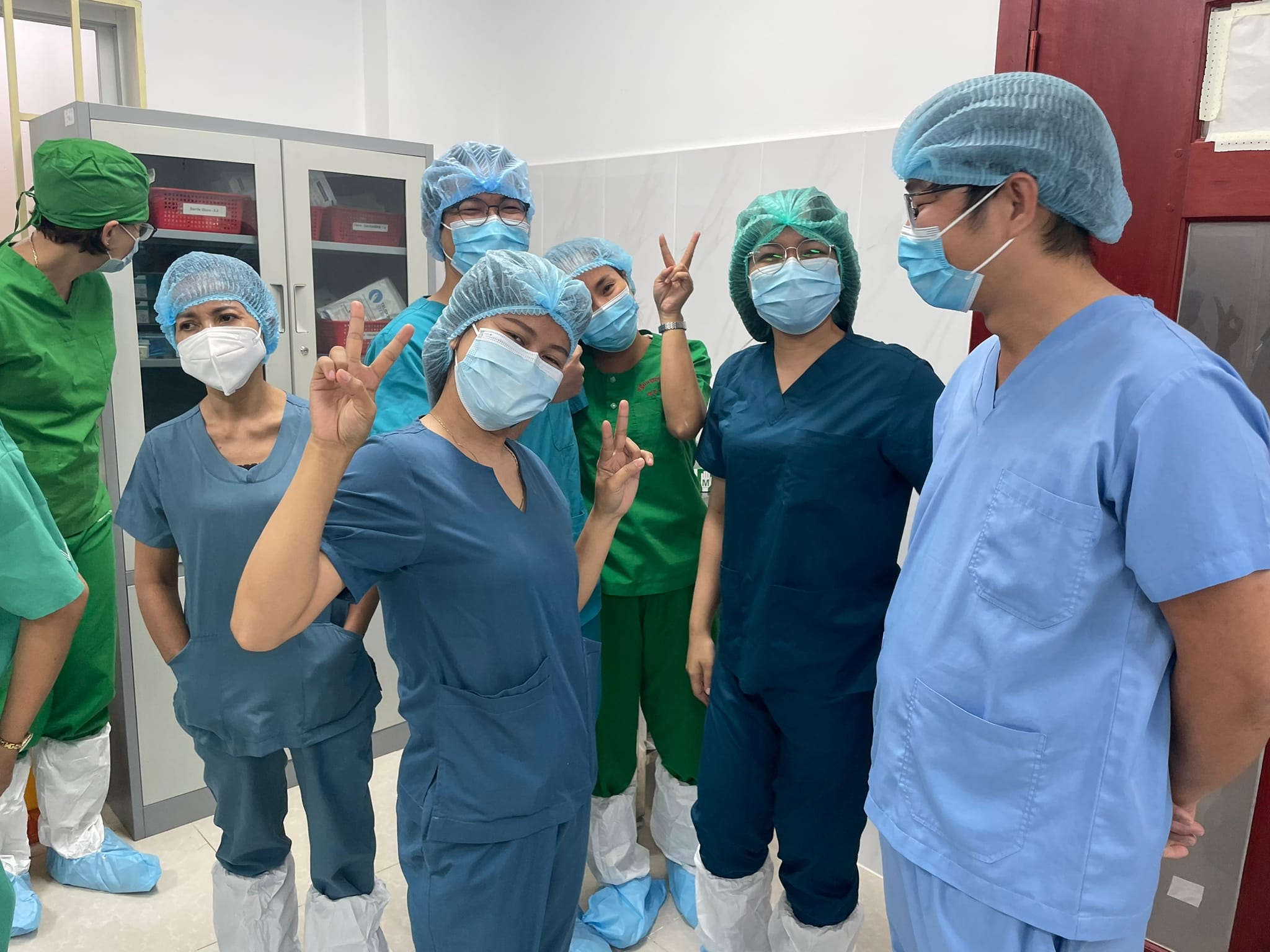
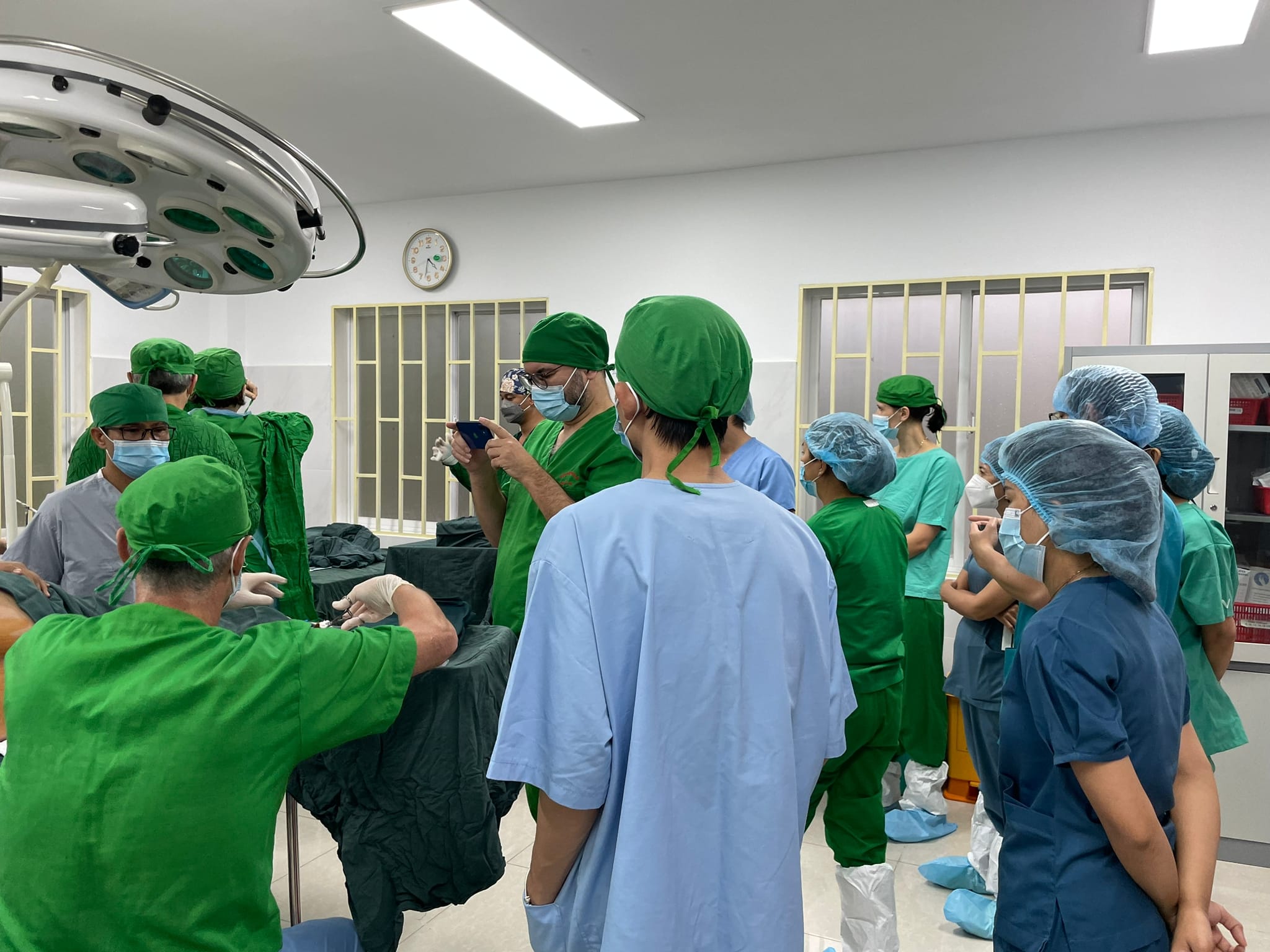
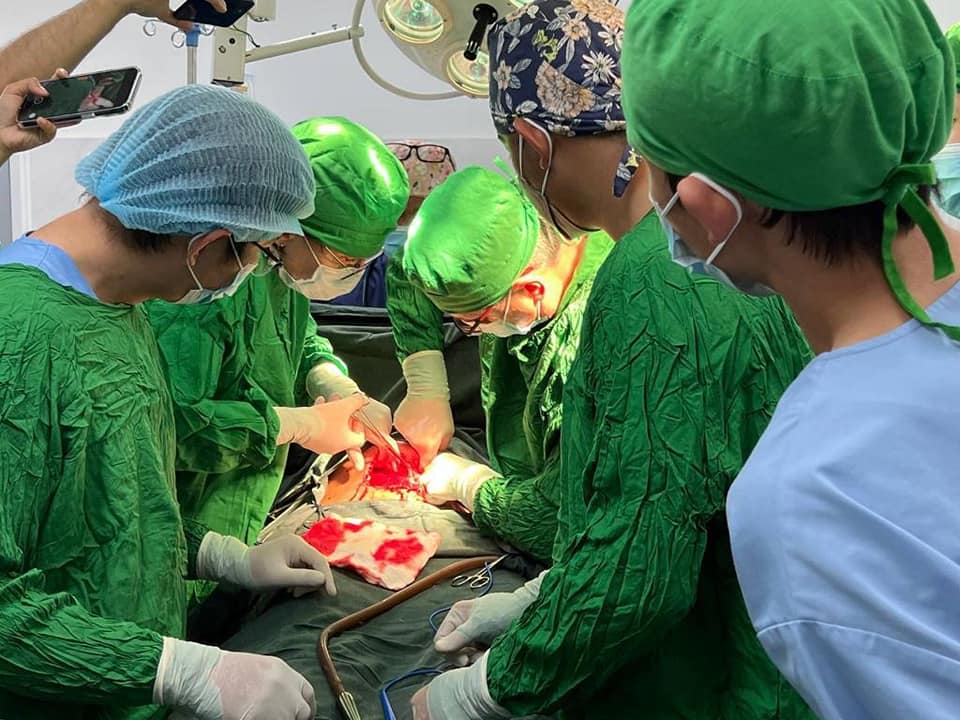
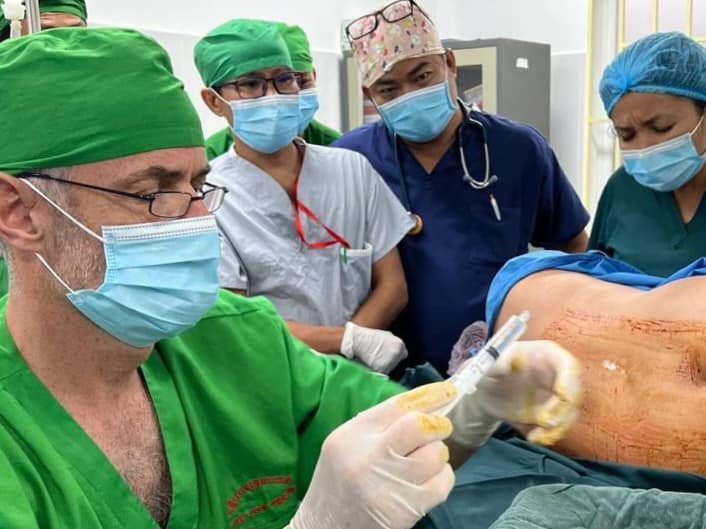
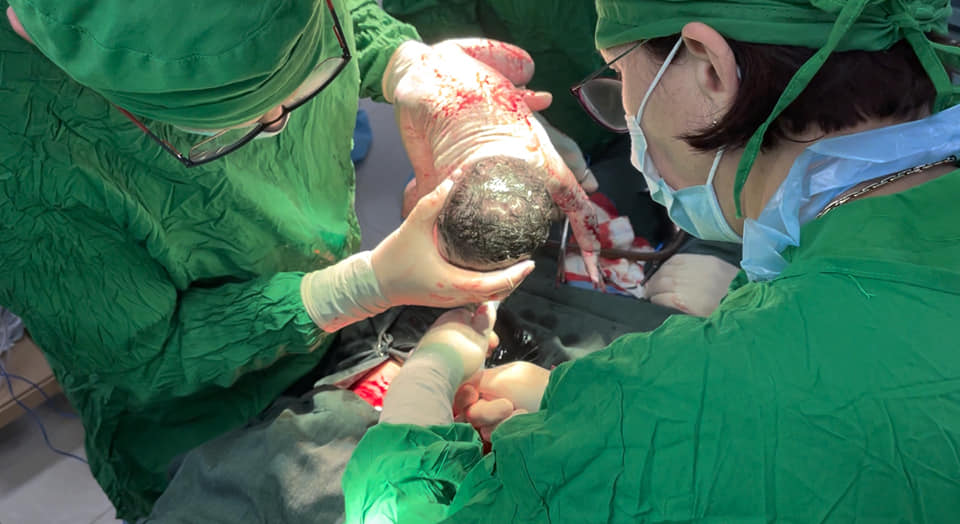
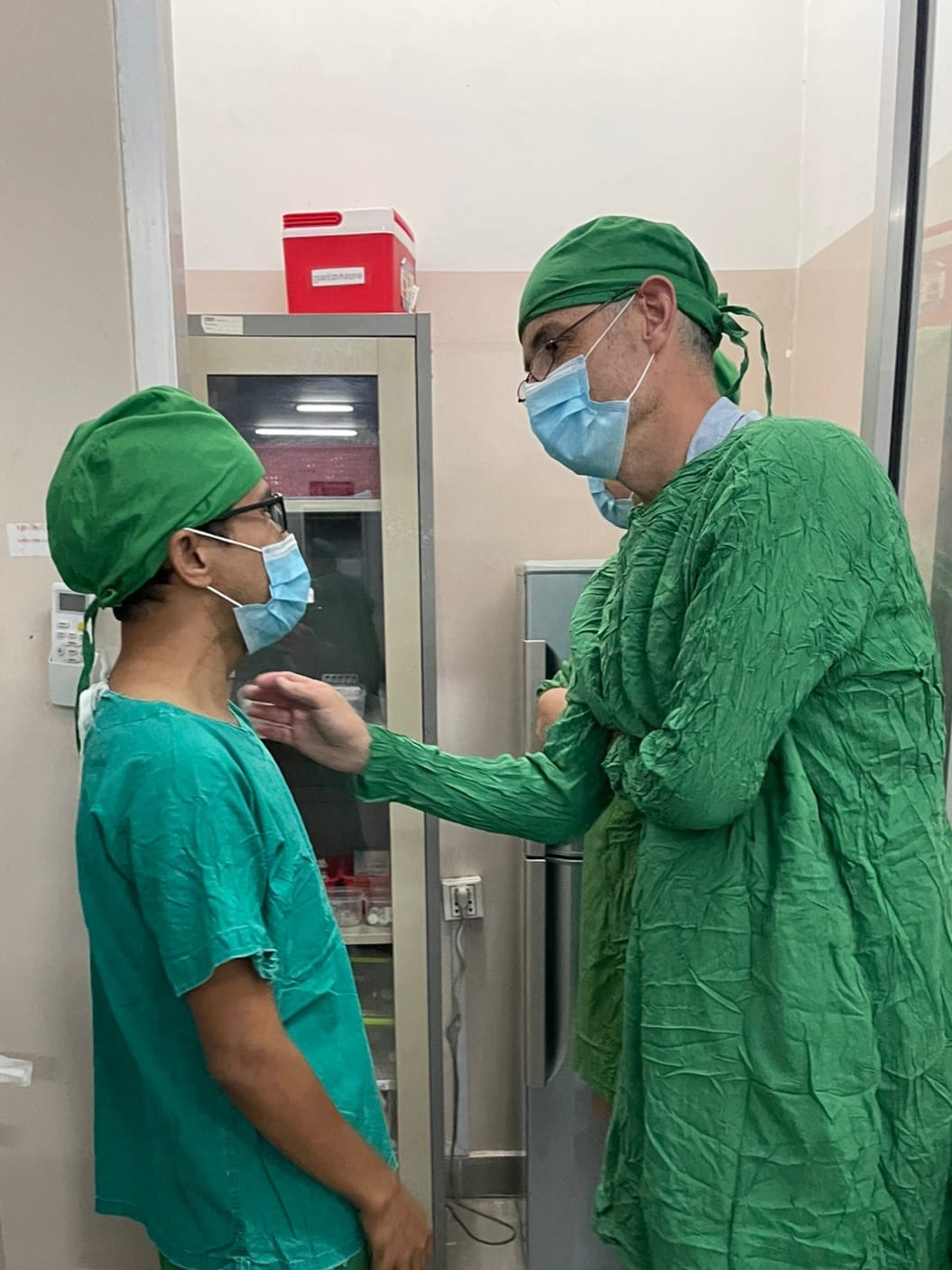
After the presentations, we quickly moved to the National Pediatric Hospital. At the entrance, we were met by our neonatologists, who, together with the hospital director Nhep Angkeabos , had just left the perinatology centre. Our Cambodian obstetric colleagues had arranged for us to treat a patient who was scheduled for a repeat Caesarean section. They wanted to see our surgical technique. Performing surgery in a completely unfamiliar environment, where not all healthcare professionals speak English and where the instruments are both familiar and yet different, is certainly challenging. Fortunately, the anaesthesia was excellent, having been thoroughly presented and administered by J. Bláha. With the assistance of Z. Kokrdová and A. Němcová, who managed to navigate the Khmer-labelled surgical instruments, the operation went very smoothly.
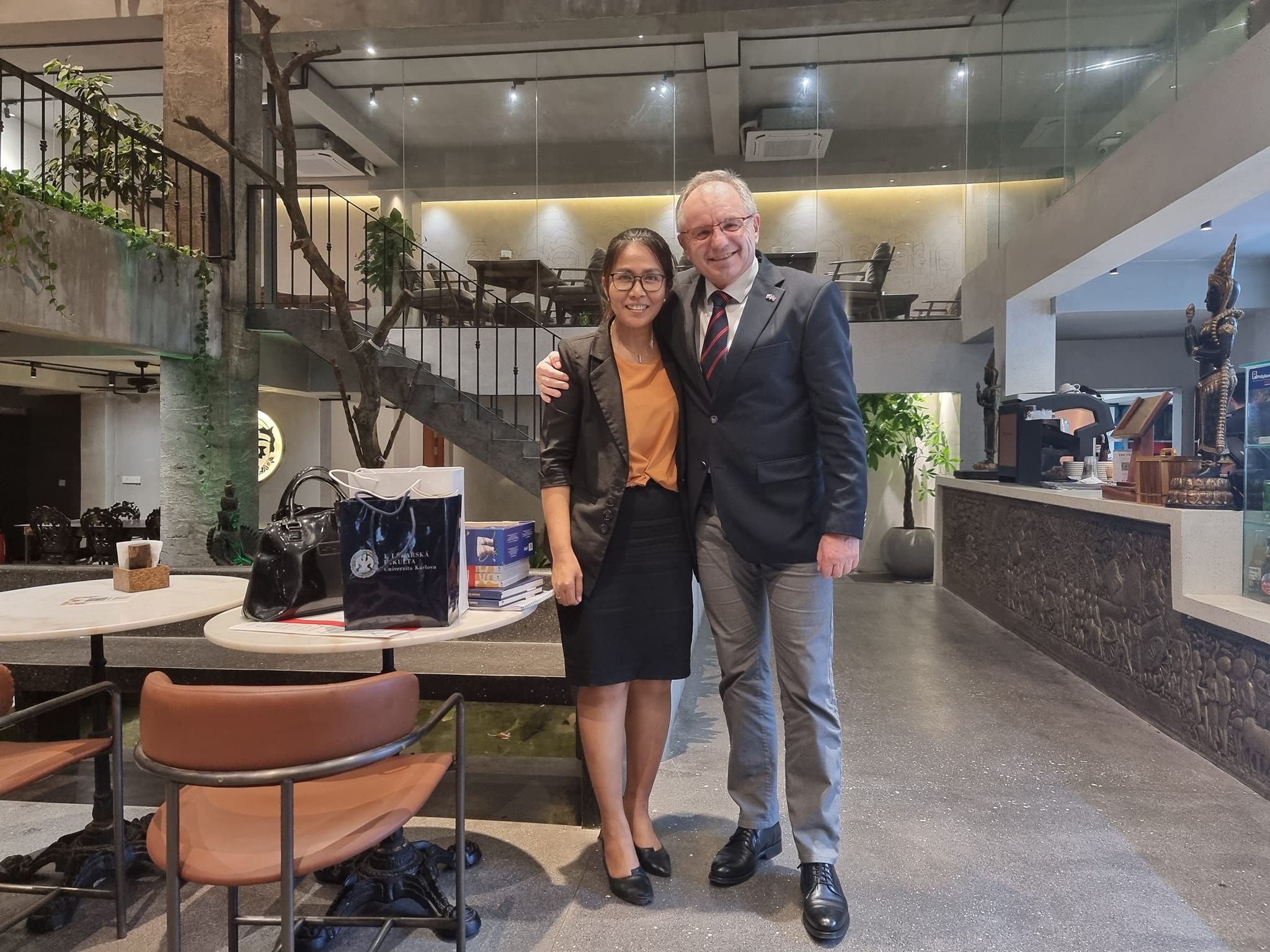
Afterwards, we received a round of applause – quite literally – as there was an unusually large audience in the operating theatre. We then returned to the hotel for a quick shower before heading, together with our interpreter Ratanak Sio , to a meeting with the hospital’s senior management. Although it was a working dinner accompanied by a presentation reviewing our cooperation to date, the atmosphere was extremely friendly. Later, we received tokens of appreciation from Charles University and its First Faculty of Medicine, Charles University. followed by a group photograph with hospital director Nhep Angkeabos and his right-hand man, Soklim Pay.
Before midnight, we still had one final team meeting – and a beer before bed. What a day…
12 January 2023
Anyone who works in a delivery room knows that, particularly in an emergency, the anaesthesiologist plays an absolutely crucial role.
Every obstetrician, neonatologist/paediatrician and midwife is well aware of this. When a baby is deprived of oxygen (hypoxia) and an emergency Caesarean section is required, or when a woman’s condition suddenly deteriorates because of unexpected, rapid and massive bleeding during childbirth (life-threatening peripartum haemorrhage), the anaesthesiologist is usually the one everyone is waiting for.
The anaesthesiologist rapidly secures the patient’s airway to ensure adequate oxygenation of the blood, followed by the rest of the body – particularly the brain. They establish intravenous access so that fluids and blood products can be administered and, at the same time, give medication to support blood clotting.
We practise these roles and procedures carefully. Using simulators, we train the coordination of the entire team: the obstetrician diagnoses and usually addresses the source of bleeding, while the anaesthesiologist takes a holistic approach to caring for the pregnant woman or mother.
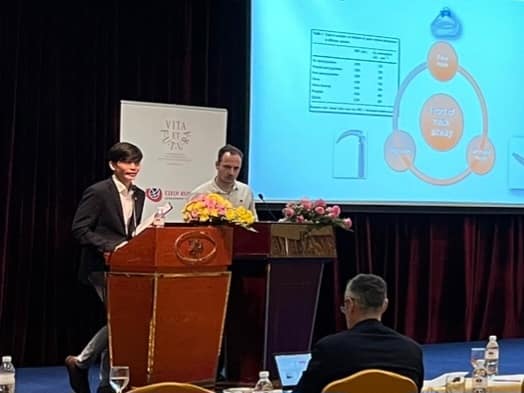
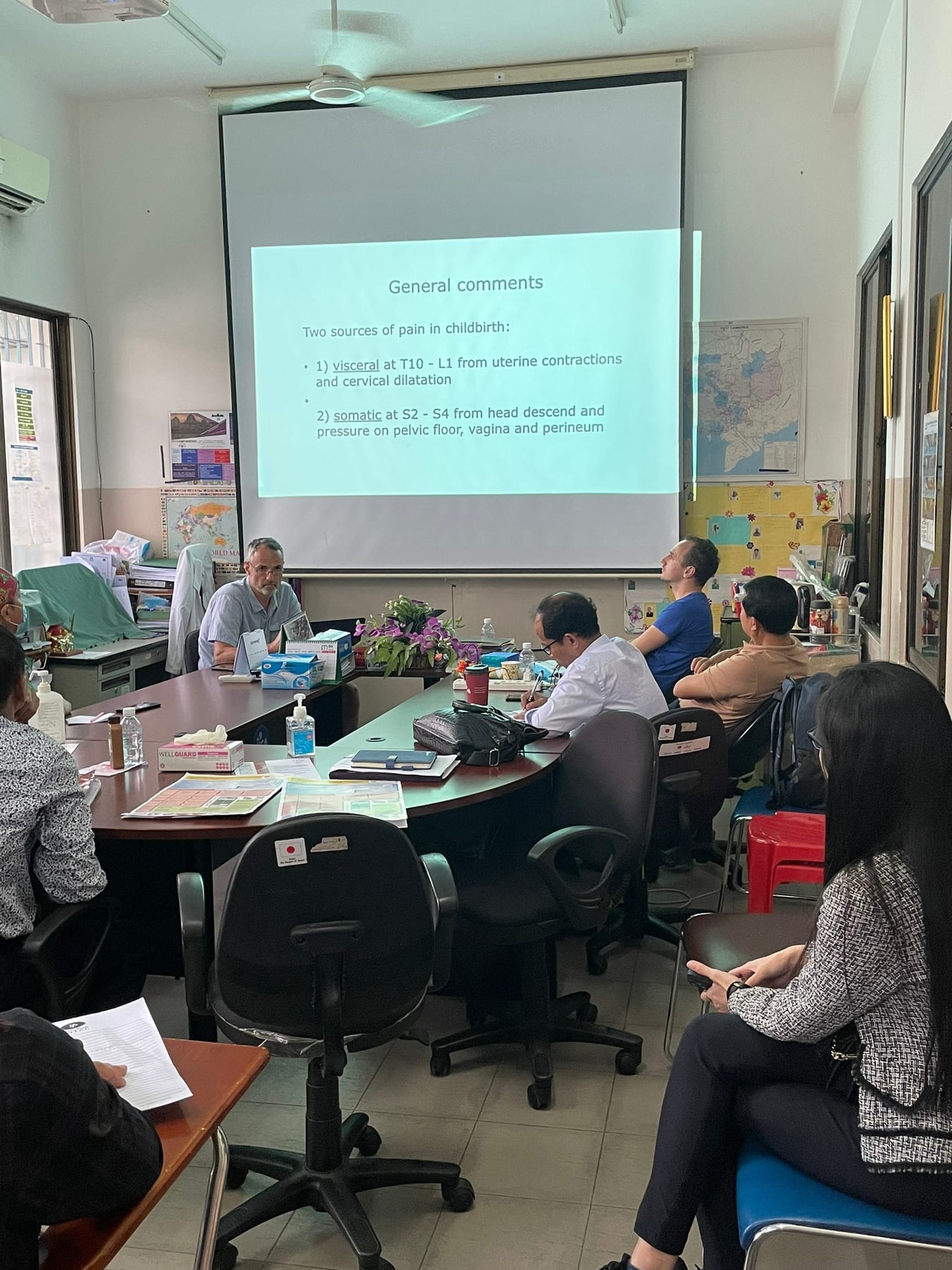
For this reason, an entire day of our educational congress was devoted to anaesthesia and intensive care medicine. Our Cambodian colleagues were so enthusiastic that they asked us to organise an additional workshop directly at their hospital, beyond the original programme. Our anaesthesiologists, J. Bláha and A. Novotný, handled the task excellently.
The General University Hospital in Prague – VFN – specifically the U Apolináře Maternity Hospital – has served as a reference centre for obstetric analgesia and anaesthesia since 1992. In line with developments abroad, particular emphasis is placed on regional anaesthesia techniques, including epidural, peridural, extradural and spinal (subarachnoid, lumbar, intrathecal) blocks.
For almost 30 years, doctors and midwives from across the Czech Republic and Slovakia have been coming to us for training. Honza and Adam, great job – Cambodia is not the end of the journey!
Well done.
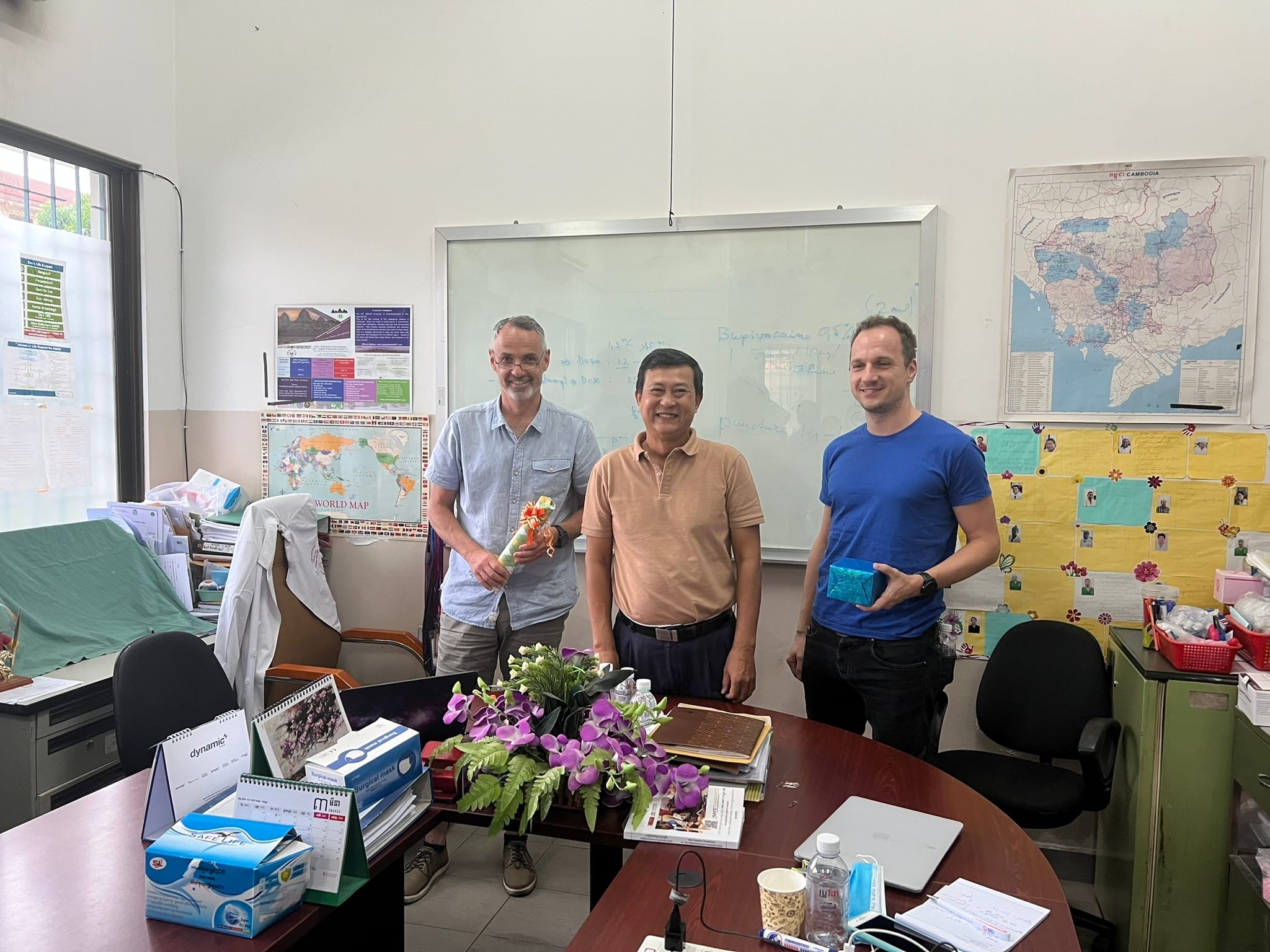
As a gesture of appreciation, both of our anaesthesiologists also received gifts from their Cambodian colleagues from the Department of Anaesthesiology and Resuscitation.
13 January 2023
We came well prepared – including bringing our voter registration documents – for the Czech presidential election. We duly made our way to the Embassy of the Czech Republic.  The Slovak citizens on our team could not take part in the election, but there was a paradoxical twist: our excellent assistant and interpreter Ratanak Sio , who already holds Czech citizenship, could vote. And so, in the Kingdom of Cambodia, a Cambodian citizen cast his vote for the Czech president...
As Václav Havel might have put it: “…these are exactly the parrradoxes.”
14 January 2023
After the obstetric and anaesthesiology sections, it was time for neonatology. Our colleagues from the National Pediatric Hospital showed great interest in the latest developments in the care not only of healthy full-term newborns, but especially of babies who face complications from the very beginning of their lives – including premature infants.
A lack of oxygen during childbirth can have devastating consequences for a baby, including brain damage. Such cases occur here, and there is not a single cardiotocograph available in the entire province, despite approximately 11,000 births taking place there each year.
This was therefore the first topic addressed by our neonatologist, MUDr. J. Smíšek, who presented hypoxic-ischaemic encephalopathy, its diagnosis and treatment. He pointed out that early neonatal/paediatric intervention and appropriate resuscitation can play a crucial role in managing this serious condition. This was followed by a discussion of early- and late-onset neonatal infections, with particular emphasis on preventing the emergence of antibiotic-resistant bacterial strains.
Professor R. Plavka began his session with the essential topic of newborn stabilisation, demonstrating respiratory issues immediately after birth, explaining the importance of delayed umbilical cord clamping, and reviewing the basic steps of resuscitation. Richard also described respiratory support using high-flow nasal cannulae and discussed bronchopulmonary dysplasia – its diagnosis, treatment and, above all, prevention.
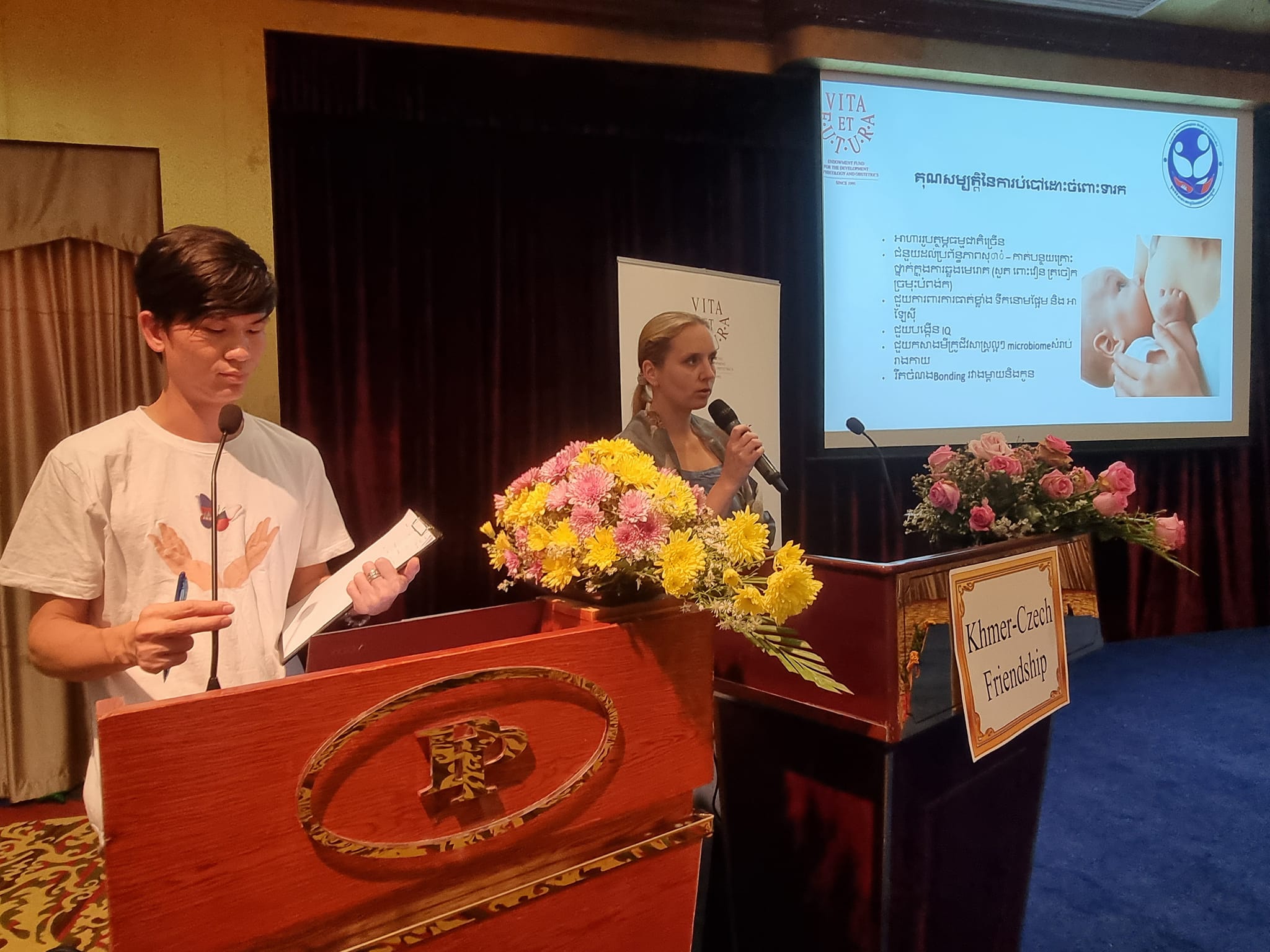
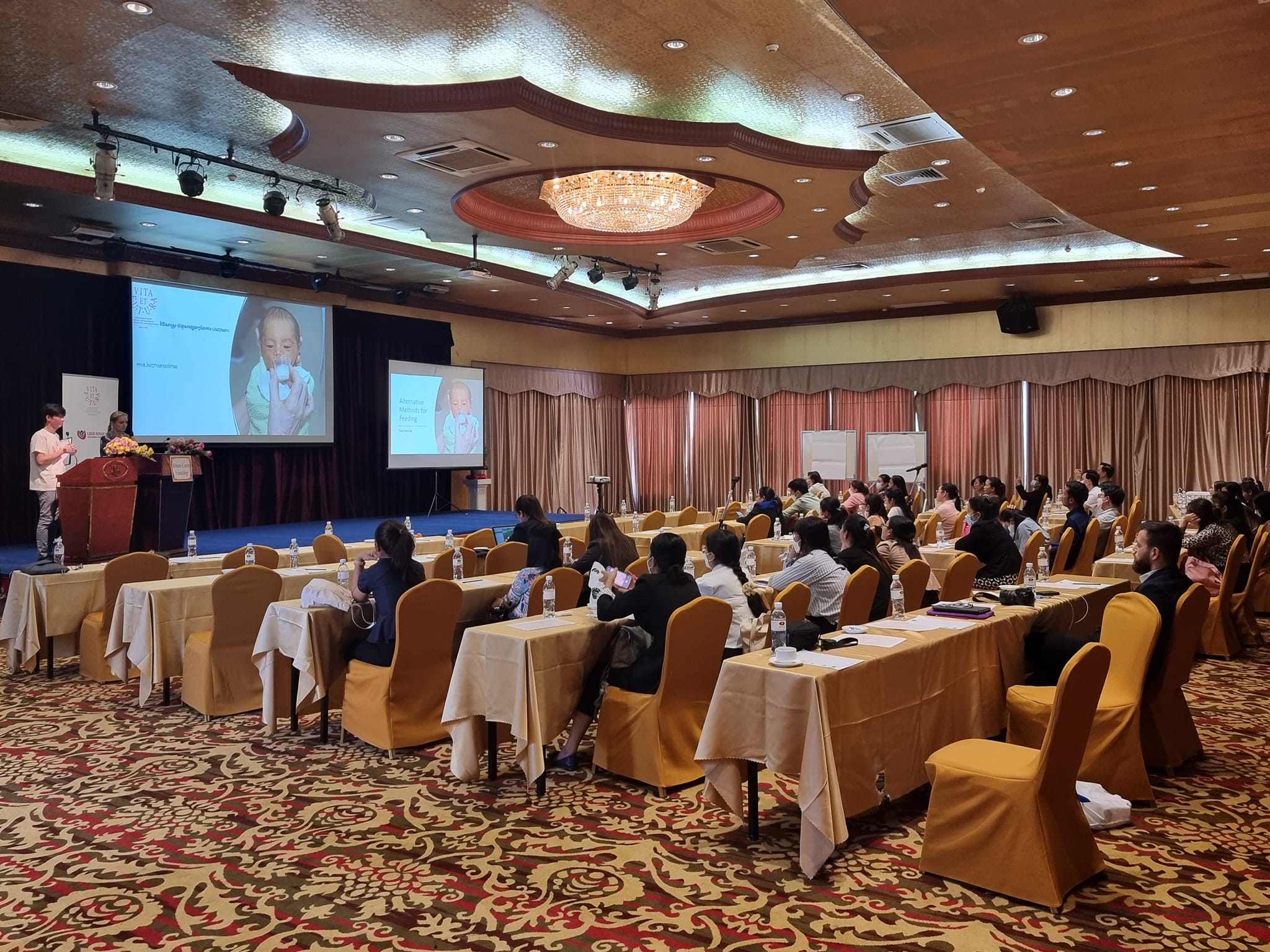
MSc. Z. Tomášková delivered highly practical lectures. She highlighted the importance of thermoregulation in both full-term and premature newborns. Zuzana’s presentation on the importance and techniques of breastfeeding attracted considerable interest from the attentive audience. Cambodian neonatologists and paediatric nurses attended in large numbers and had an endless stream of questions.
15 January 2023
Part One:
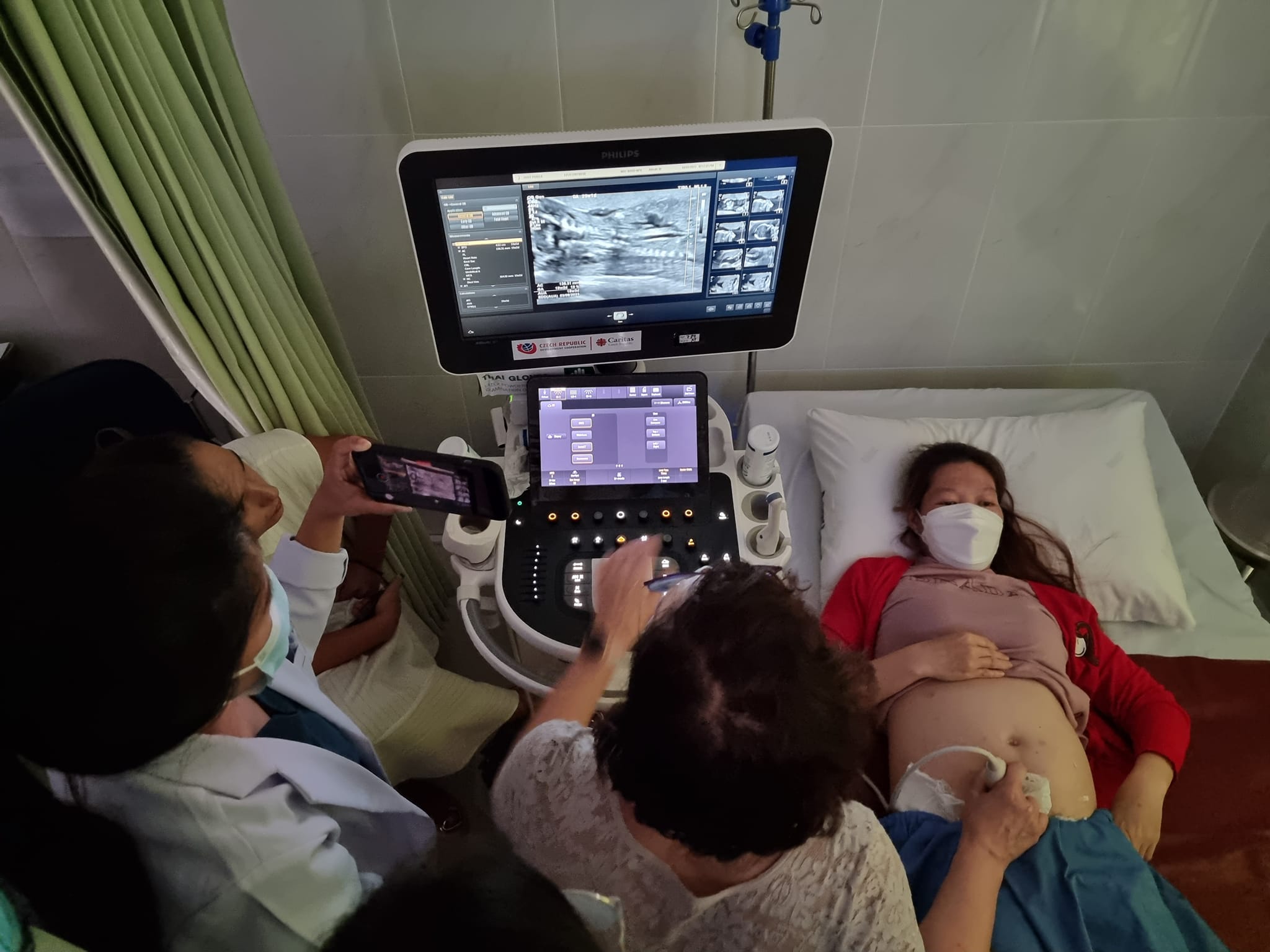
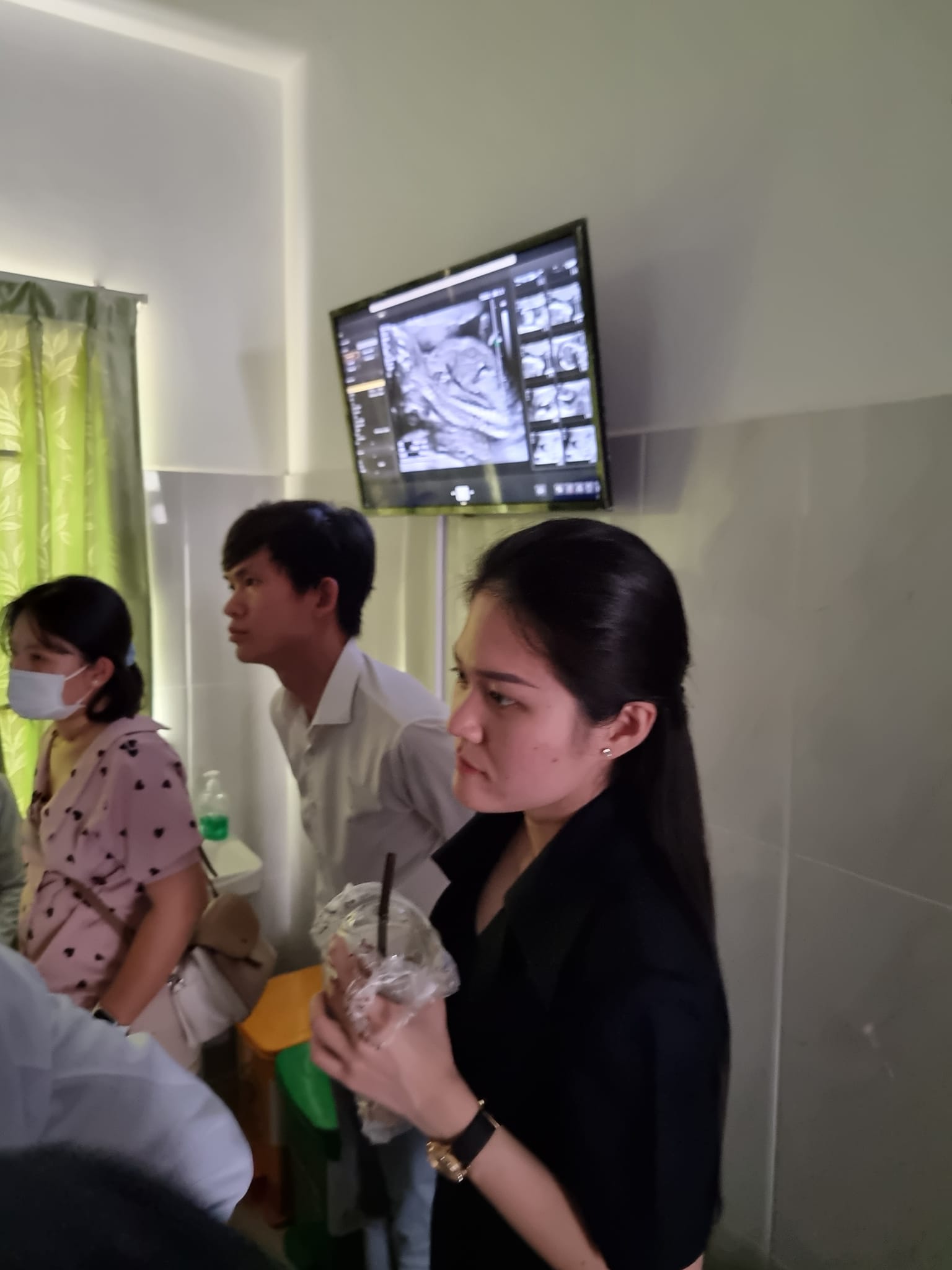
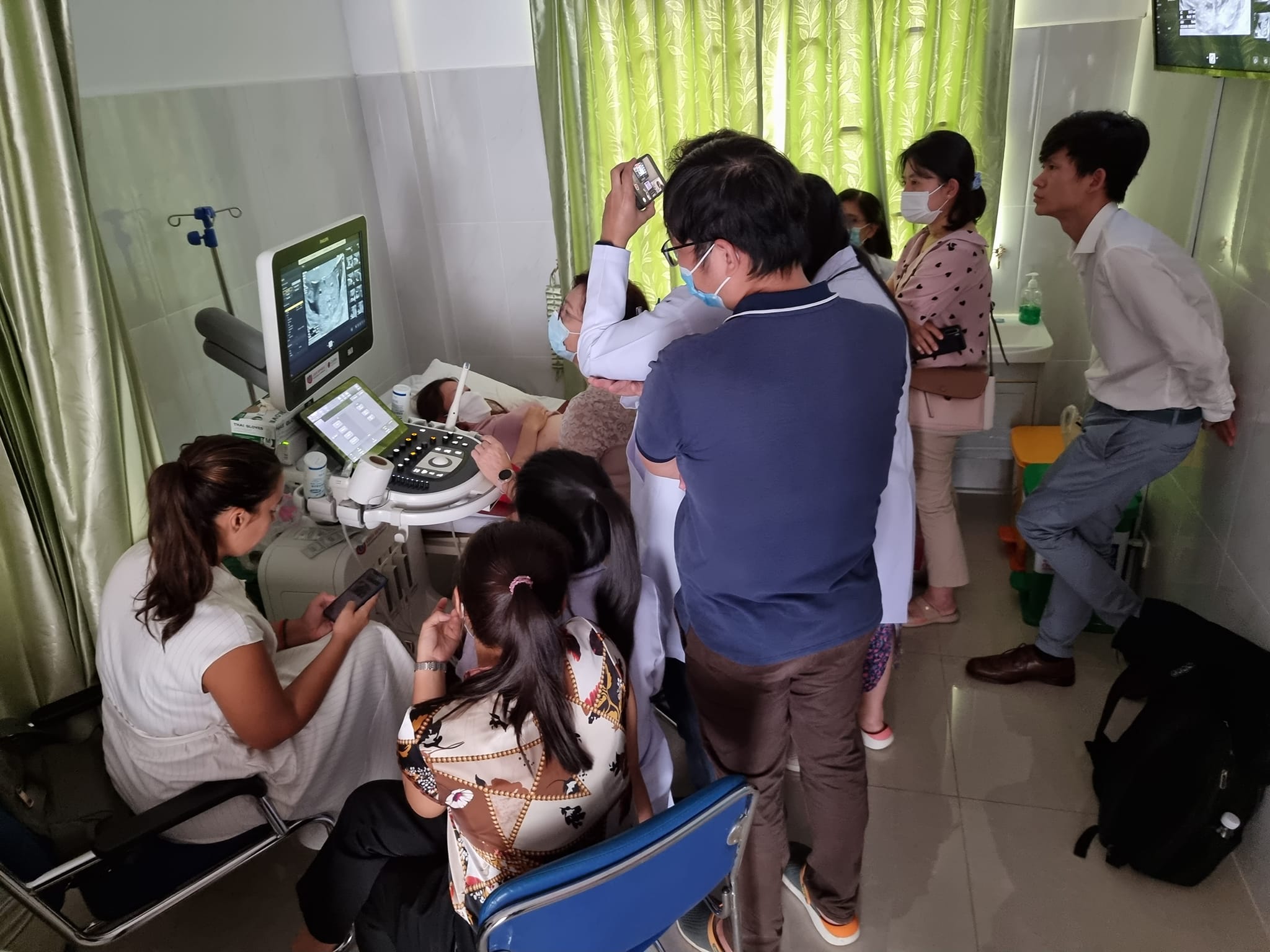
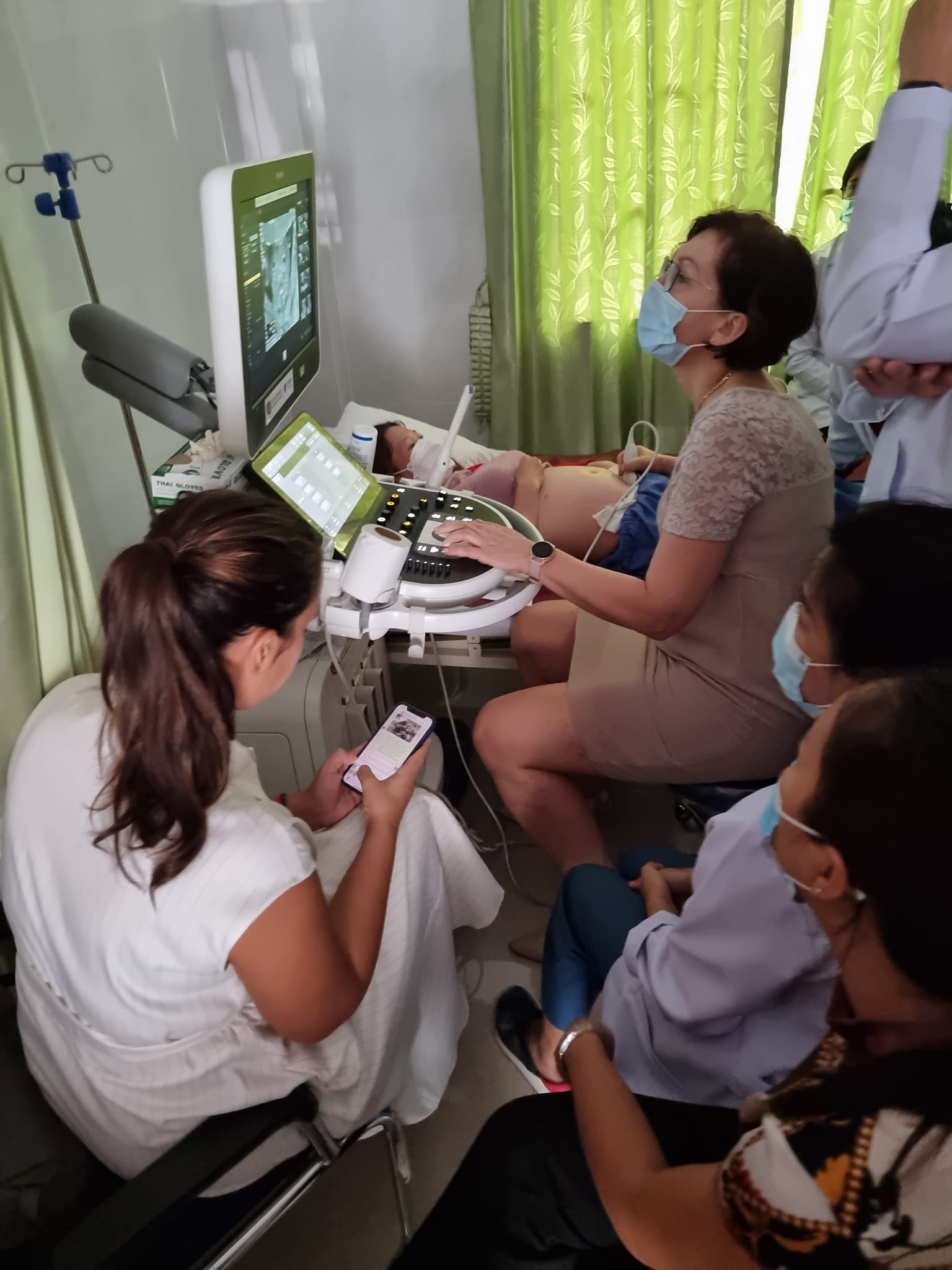
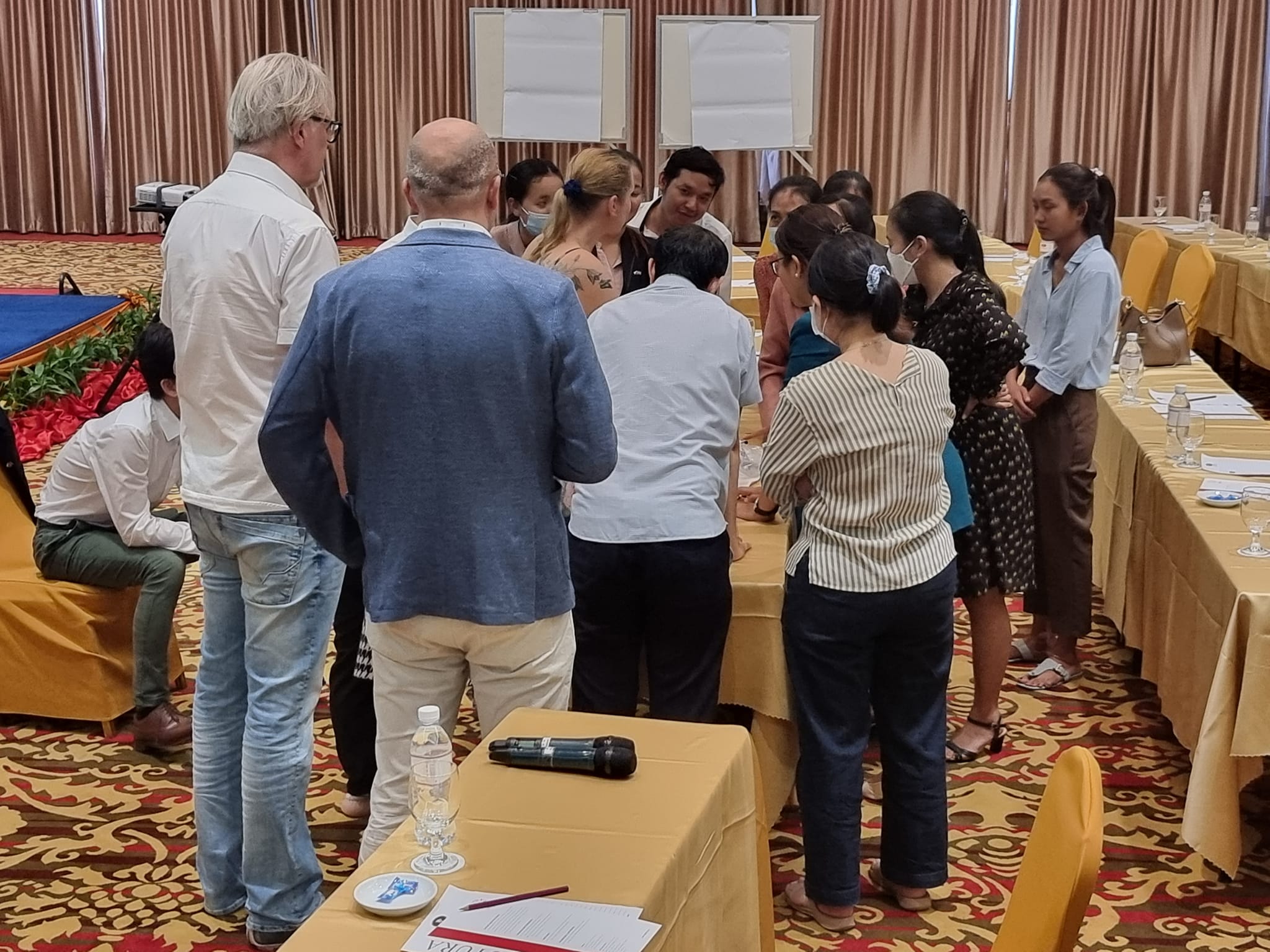
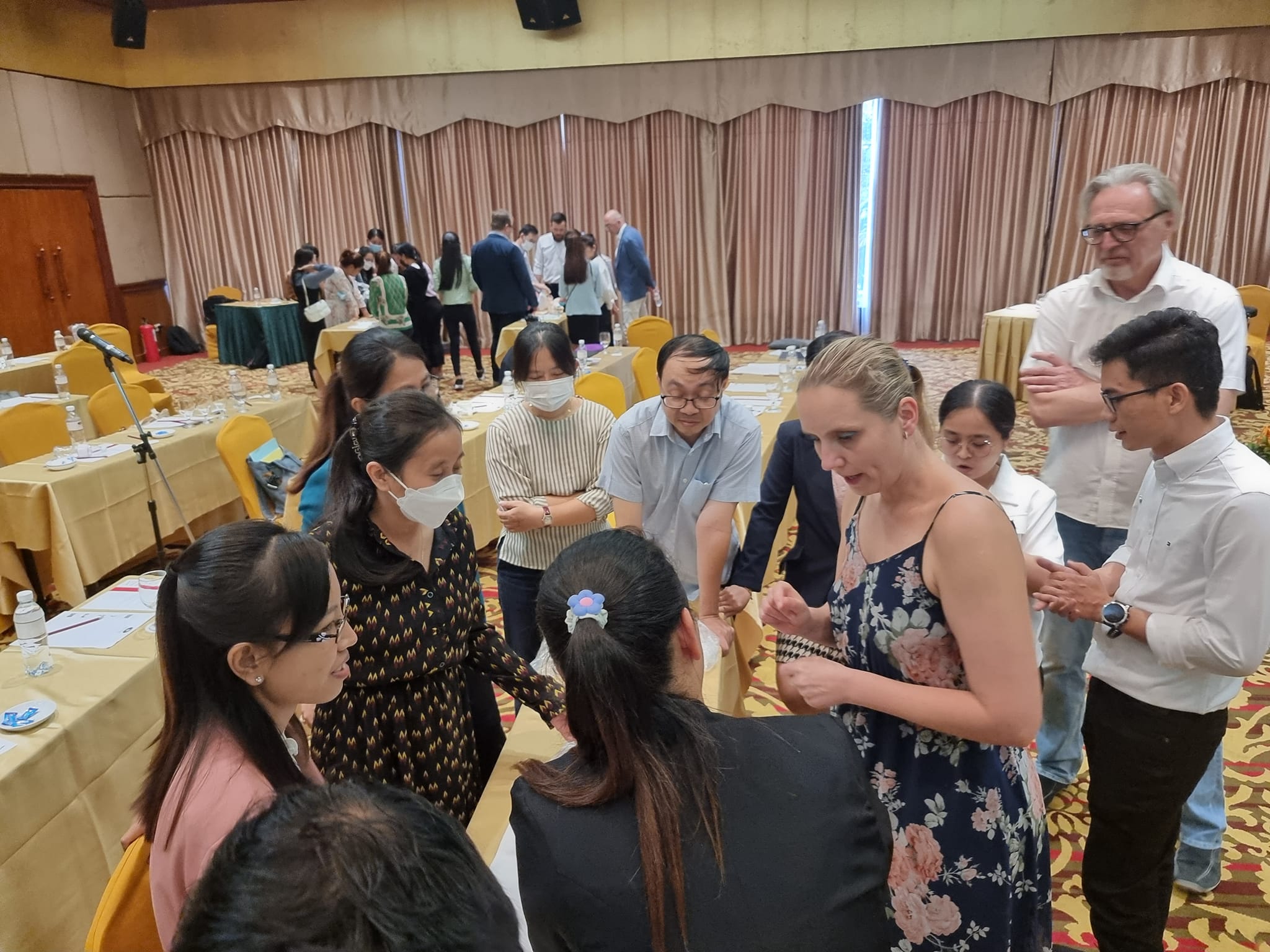
Despite an already very demanding programme, we went well beyond its original scope to accommodate the requests of Cambodian doctors and midwives. Although we had previously delivered online lectures from the Czech Republic on pregnancy screening in the first, second and third trimesters, the visit of our experts created a demand for more in-depth, face-to-face training directly on site.
Dr Zuzana Kokrdová gladly took on the task. In her case, however, kindness brought its own reward: the workshop was such a great success that she had to repeat it the following day to share her knowledge and practical skills with another group. 
Part Two:
“When you can’t go on, go faster.” In our case, the famous words of Emil Zátopek seemed to apply perfectly. Instead of slowing down toward the end of a demanding week, our work accelerated even further.
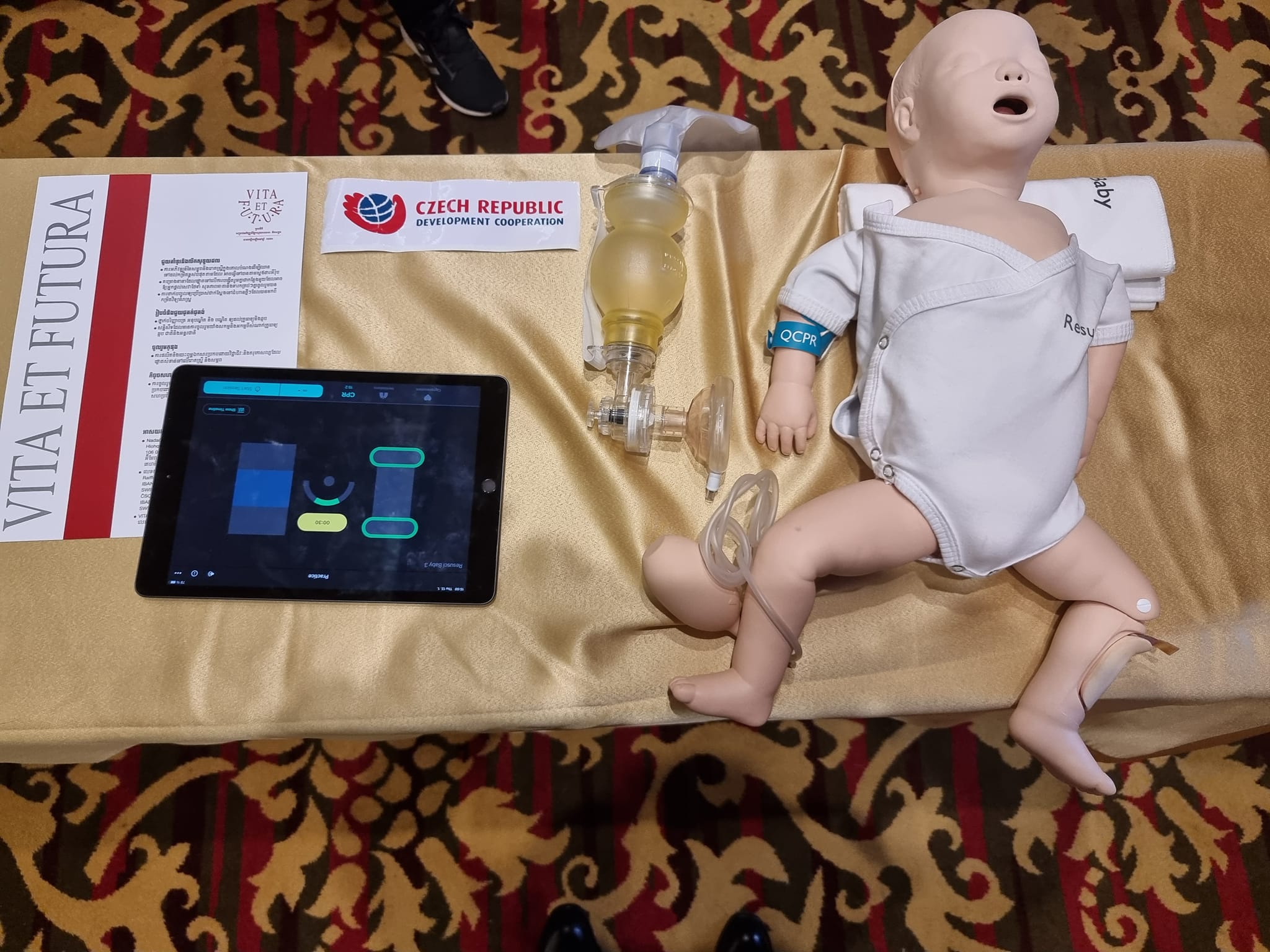
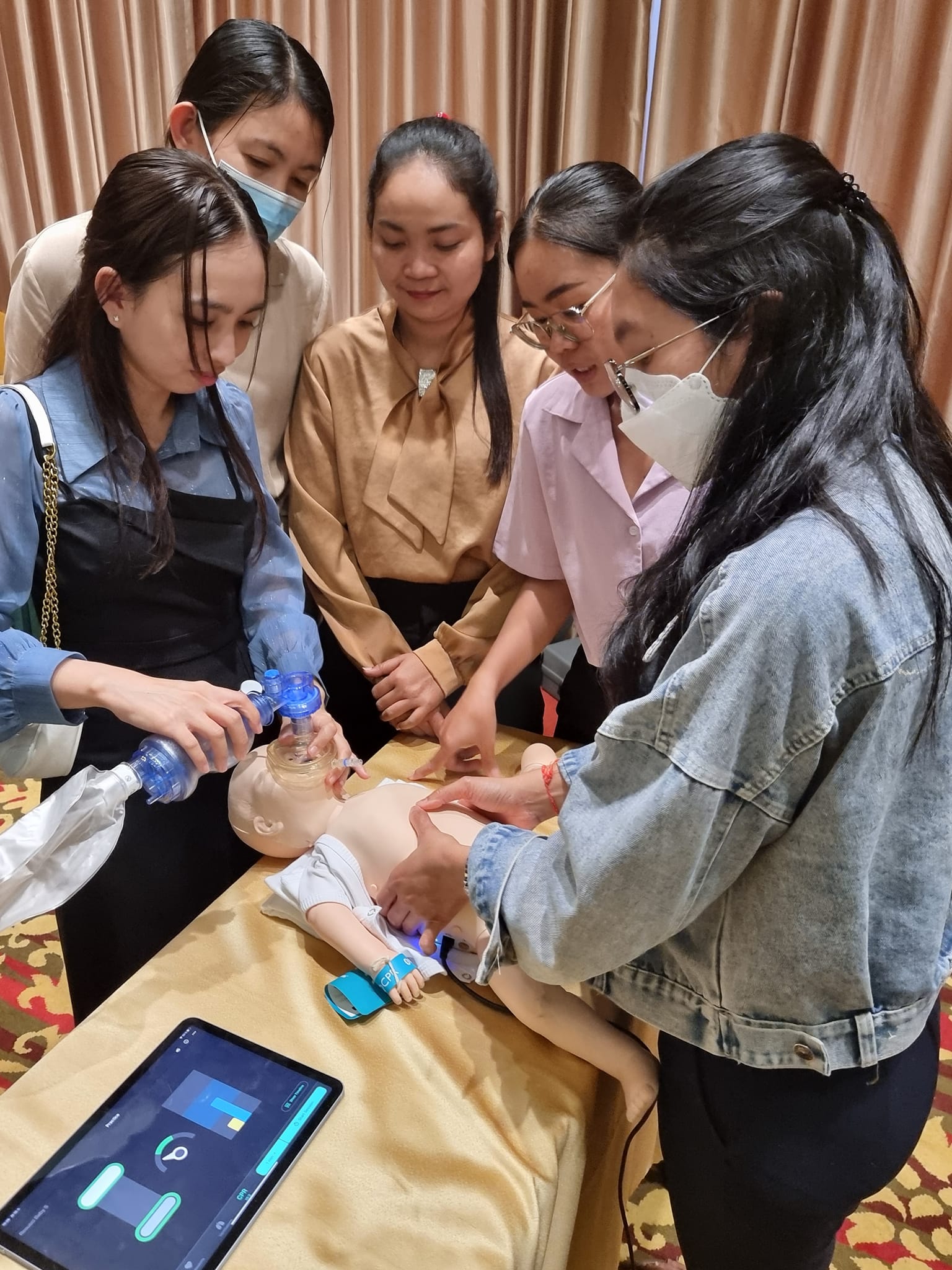
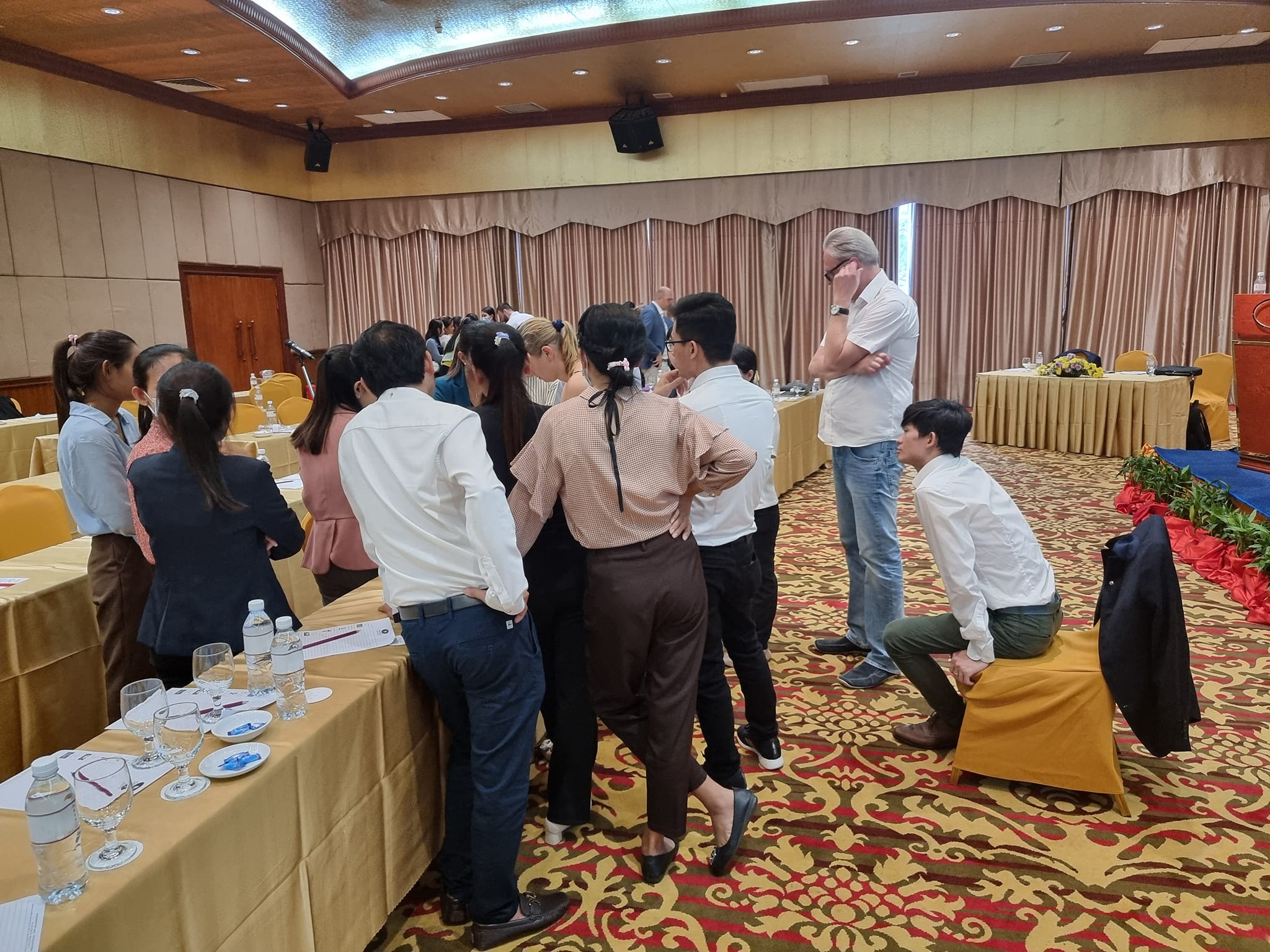
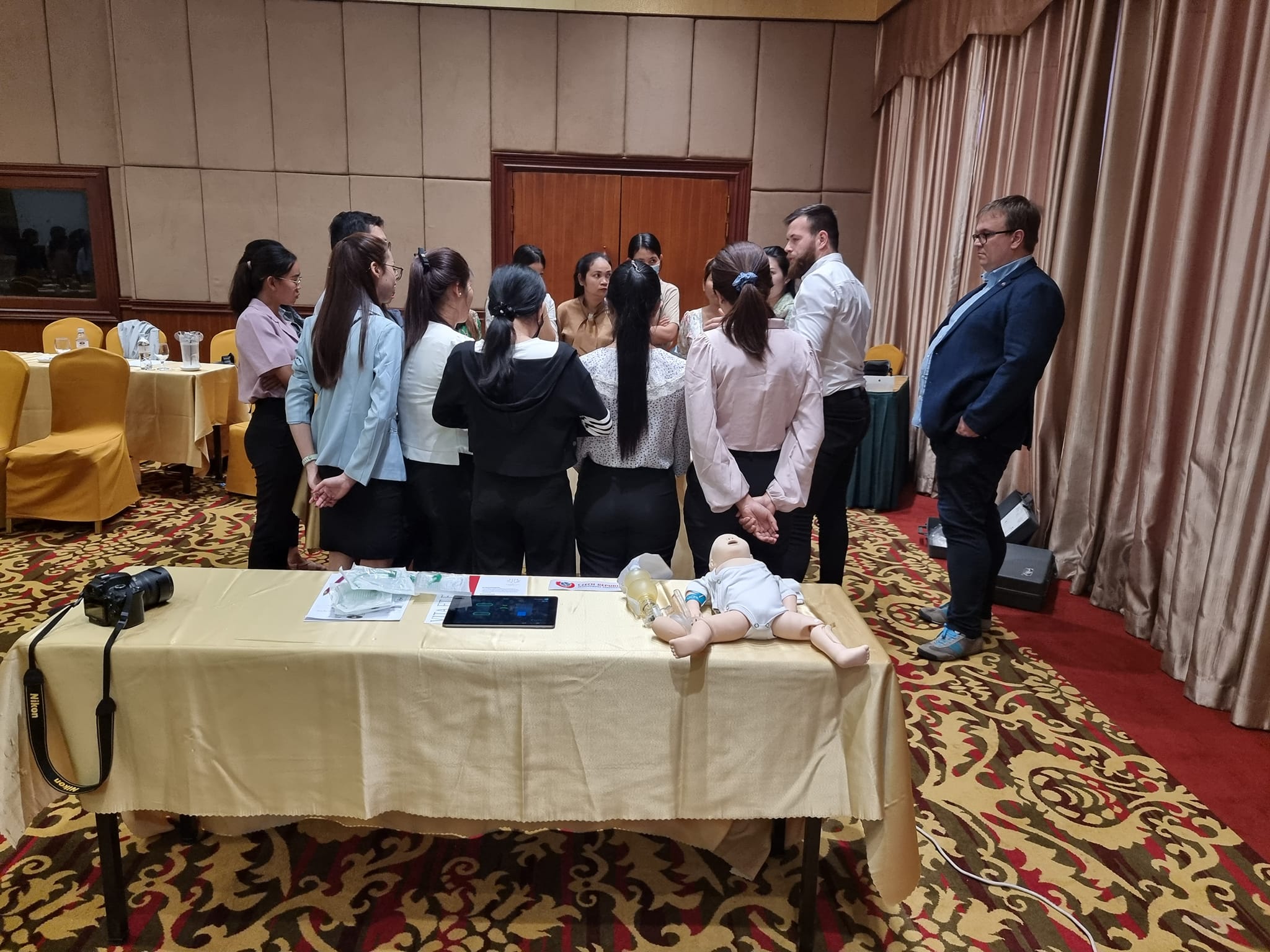
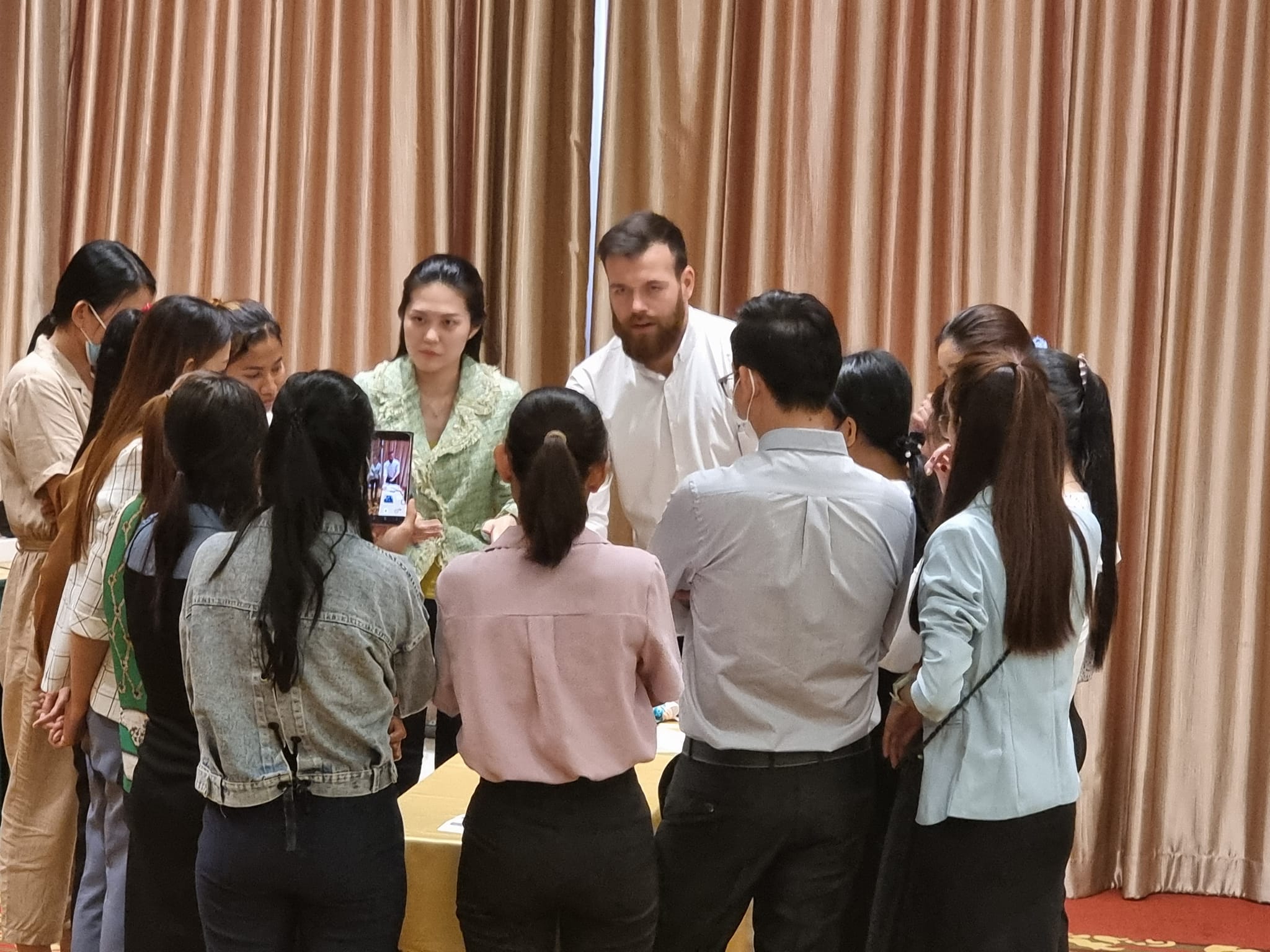
Zuzana Tomášková and Radovan Dlugopolský from our neonatology team delivered two excellently prepared workshops. The first focused on resuscitation of a hypoxic newborn immediately after birth.
The second workshop was devoted to newborn care. The basic principles of correct newborn positioning were demonstrated step by step – stable and unstable positions, with and without respiratory support, for full-term and premature babies. Zuzana and Radovan also answered a wide range of practical questions concerning basic newborn care, including eye, mouth, nose and skin care, pain management, and techniques for suctioning the baby’s mouth and nose.
Modern baby simulators, purchased for this purpose with the support of CzechAid, were also put into use. Our Cambodian colleagues received detailed practical instruction on how to use these modern training tools.
Part Three
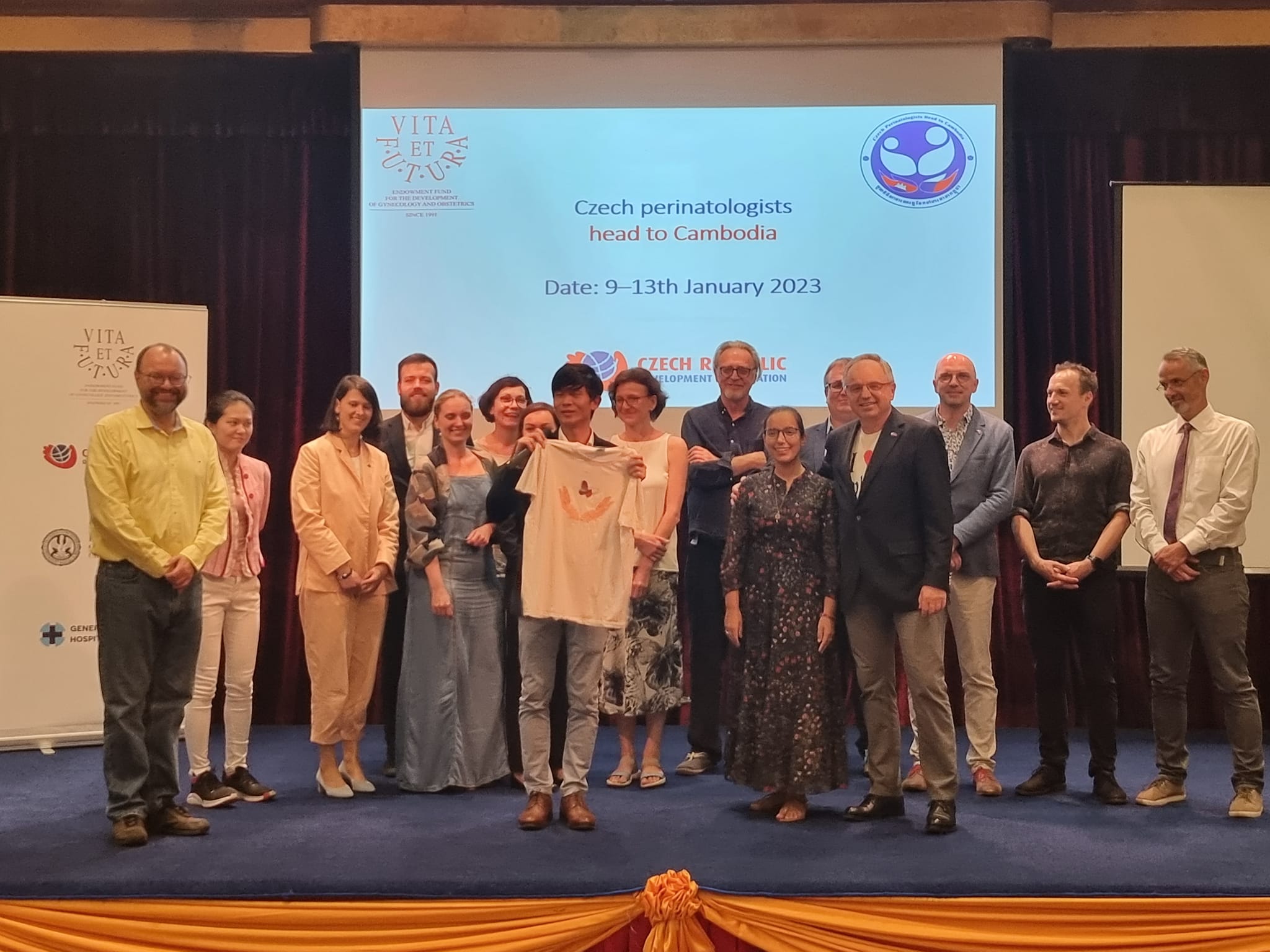
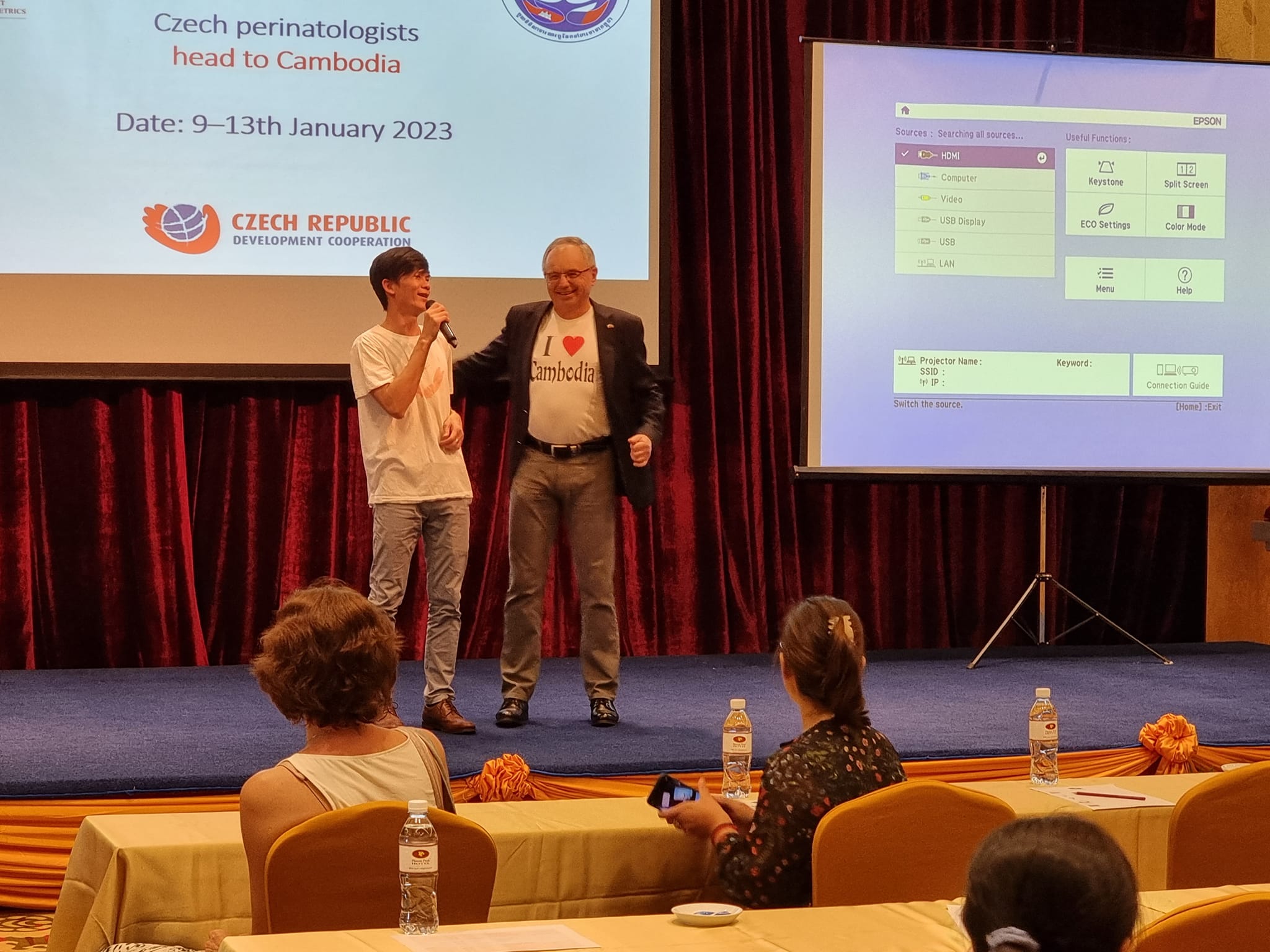
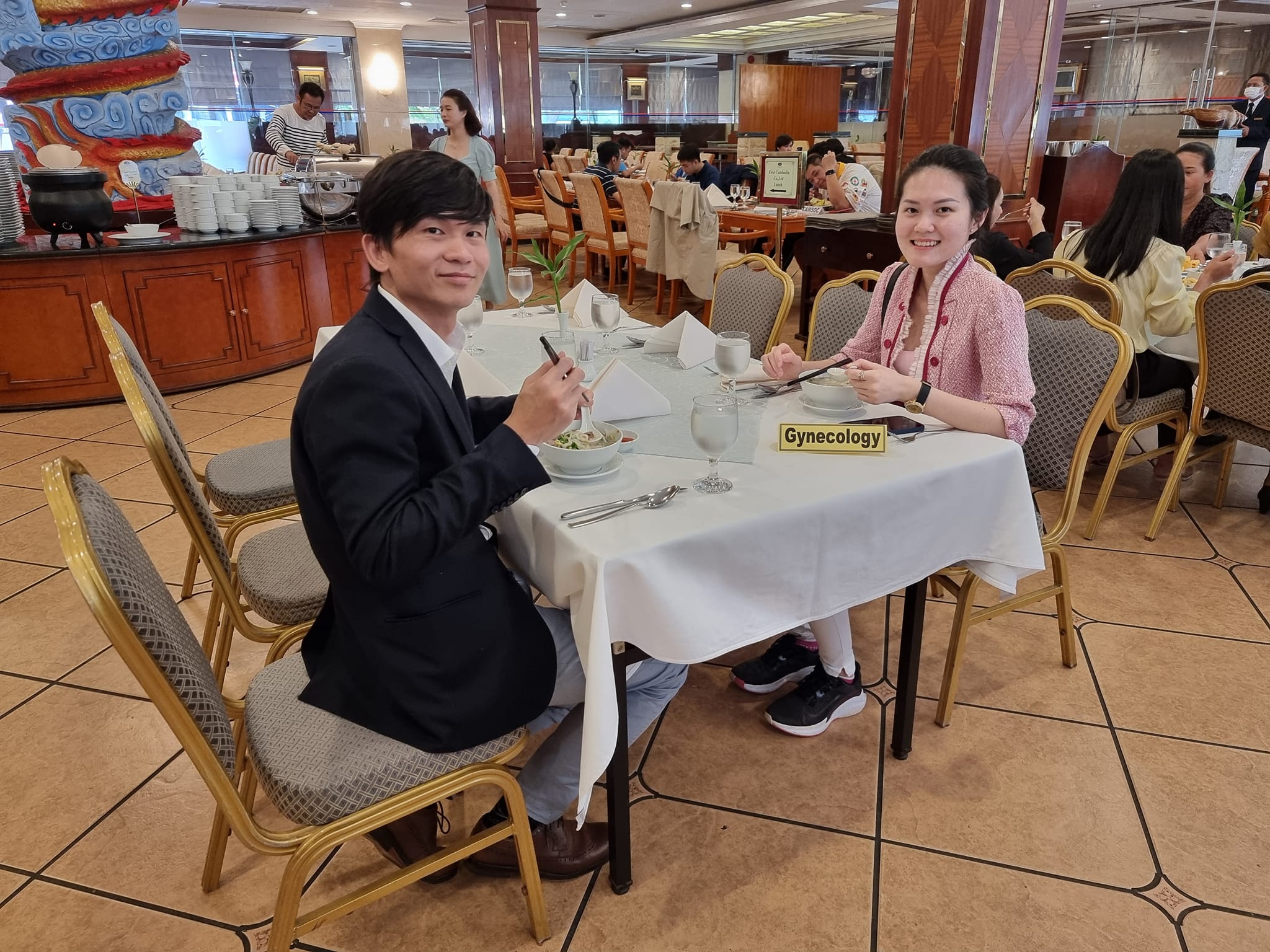
The discovery of the year for us was Ratanak Sio. Thanks to him, all of our presentations were available not only in English but also in Khmer. Ratanak Sio With unwavering patience and willingness, Ratanak also provided live interpretation of the presentations into Khmer for the audience of healthcare professionals.
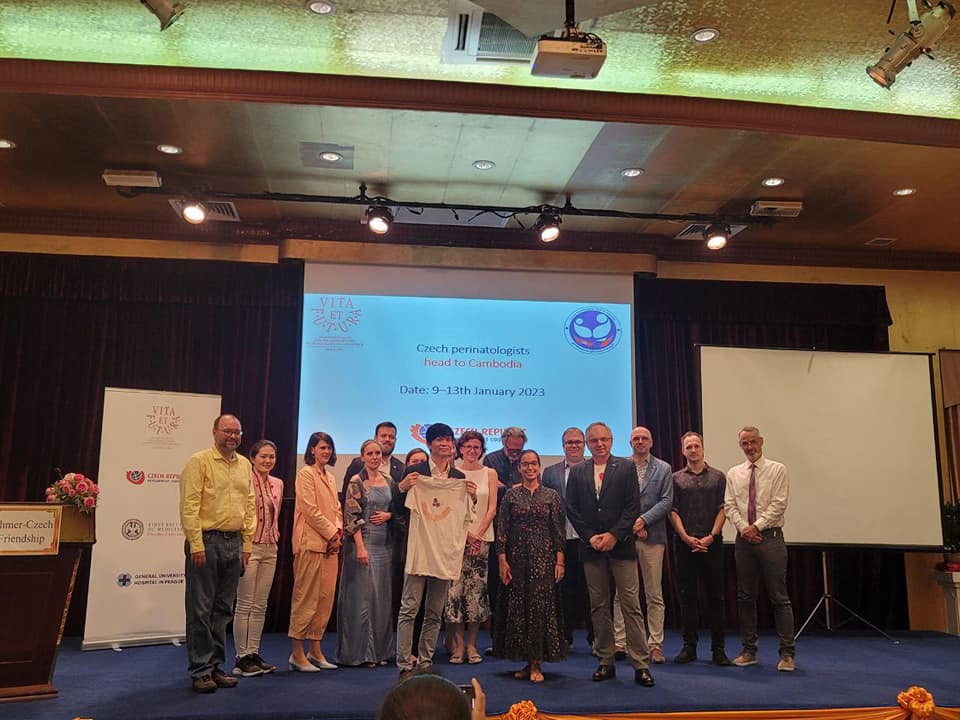
At the end, the entire team thanked him, and we symbolically presented him with a T-shirt featuring the logo of our aid project in Cambodia.
Ratanak and Socheata became full and indispensable members of our team. Ratanak and Socheata, thank you very much – you have been an enormous help to all of us and to the entire project.
Part Four
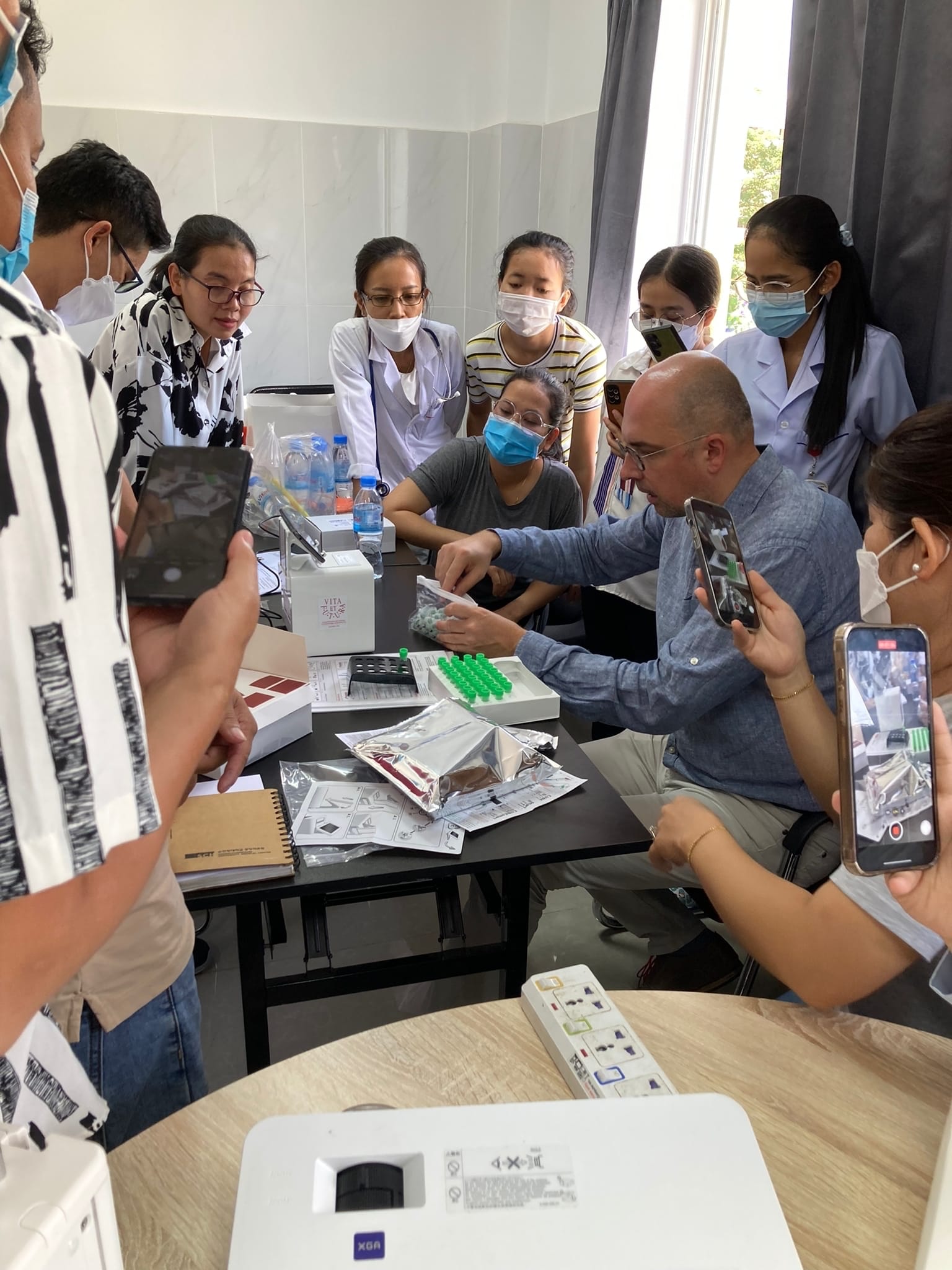
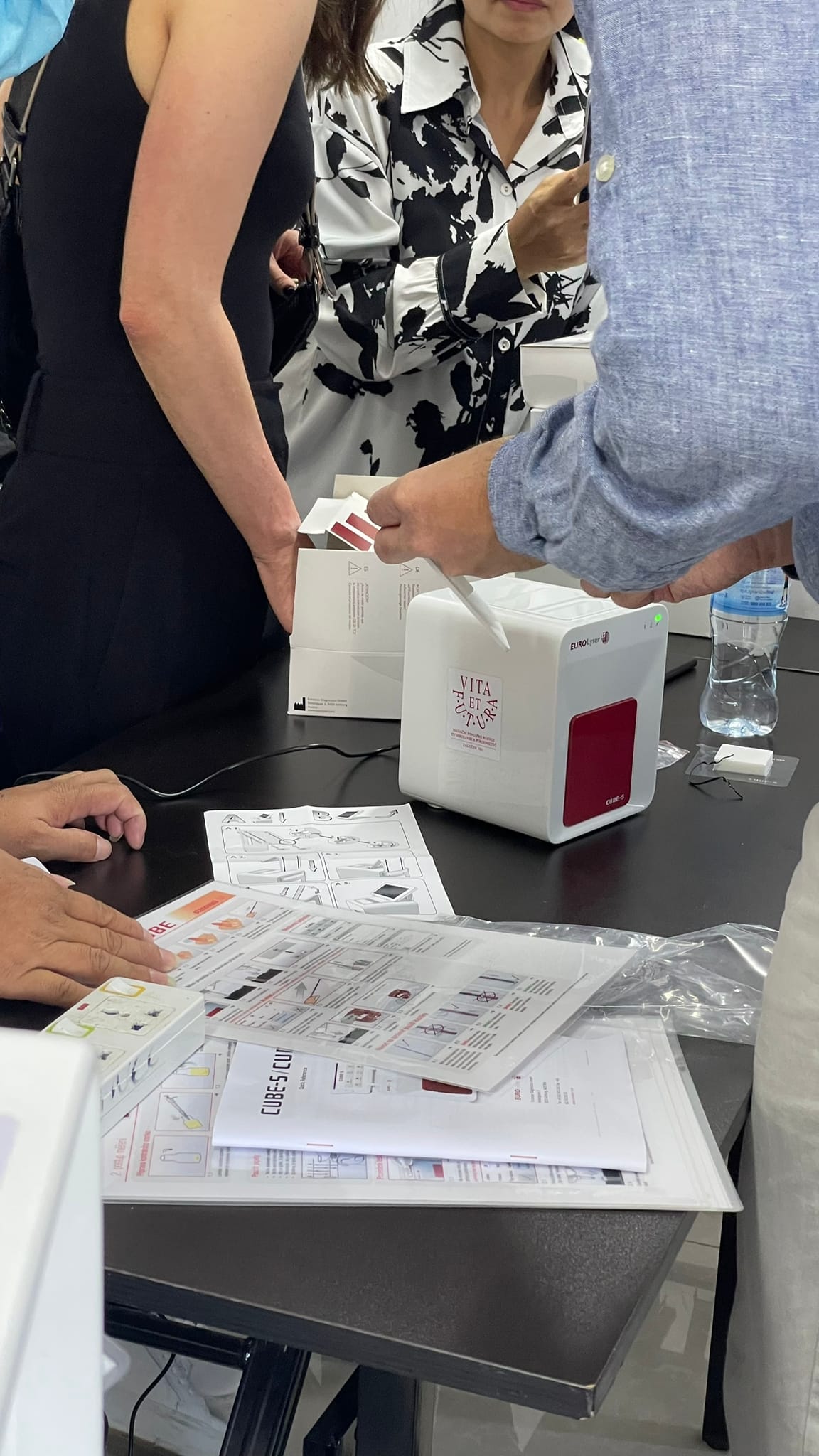
Chtěli jsme za náš Nadační fond VITA et FUTURA předat Národní pediatrické nemocnici nějaký užitečný dar. Výběr se podařil. Přístroj pro diagnostiku zánětu a dalších parametrů z kapky krve bude první svého druhu v „naší“ nemocnici a bude sloužit jak dětem, tak i dospělým/matkám po jejich porodu. CRP analyzátor jsme nejprve představili v průběhu našich prezentací a pak byl oficiálně předán přímo panu řediteli nemocnice Nhep Angkeabos.
Part Five
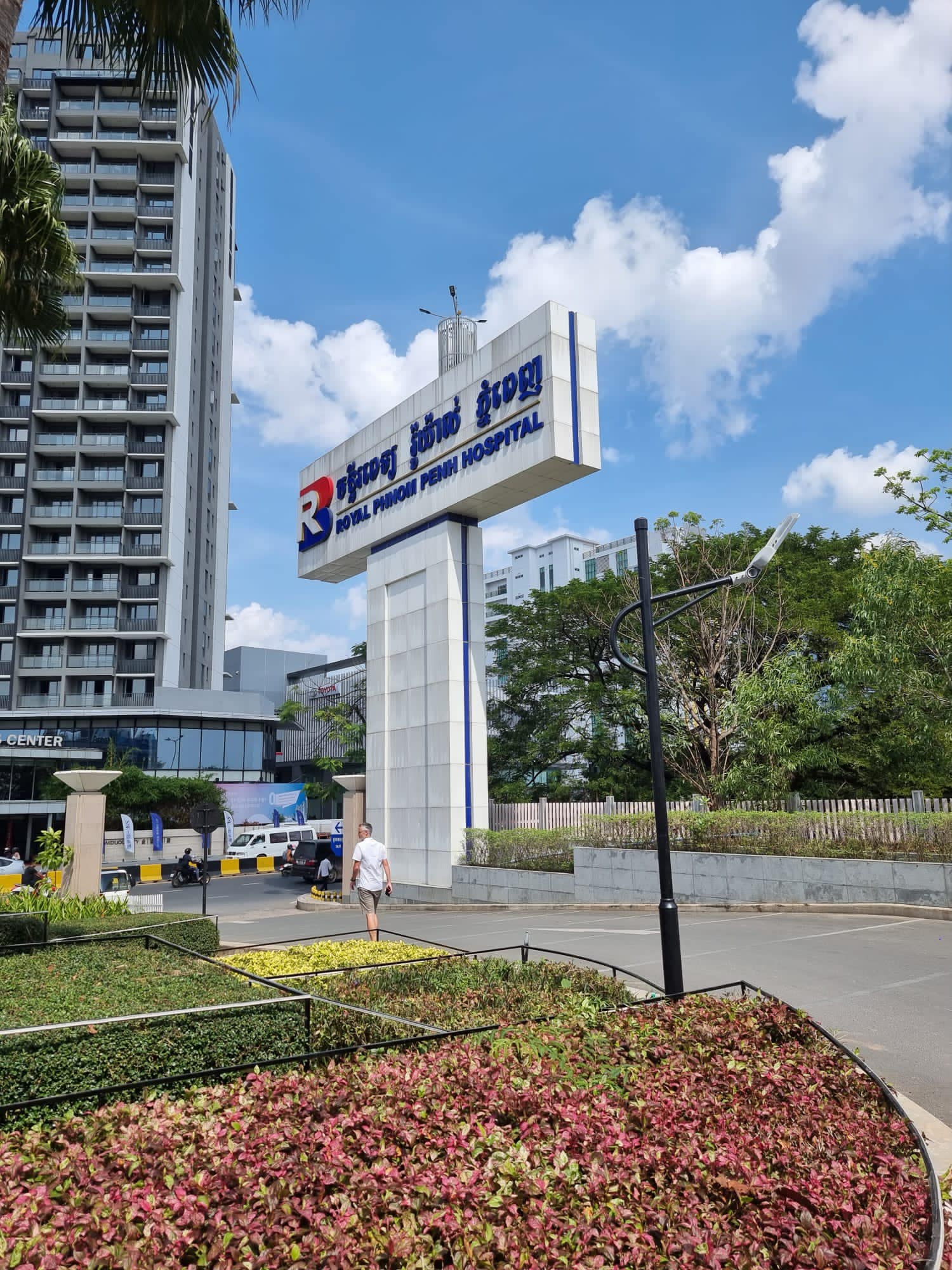
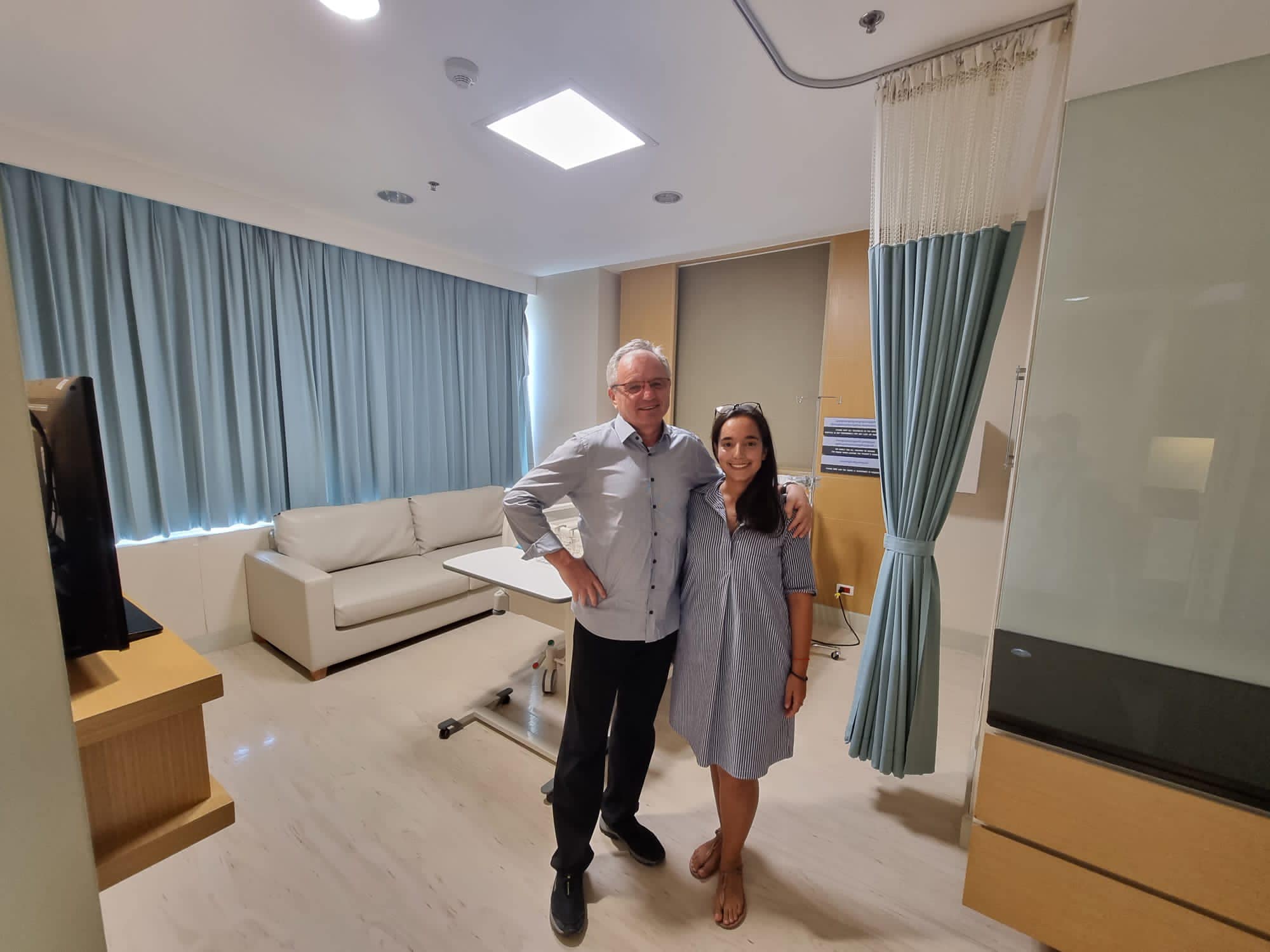
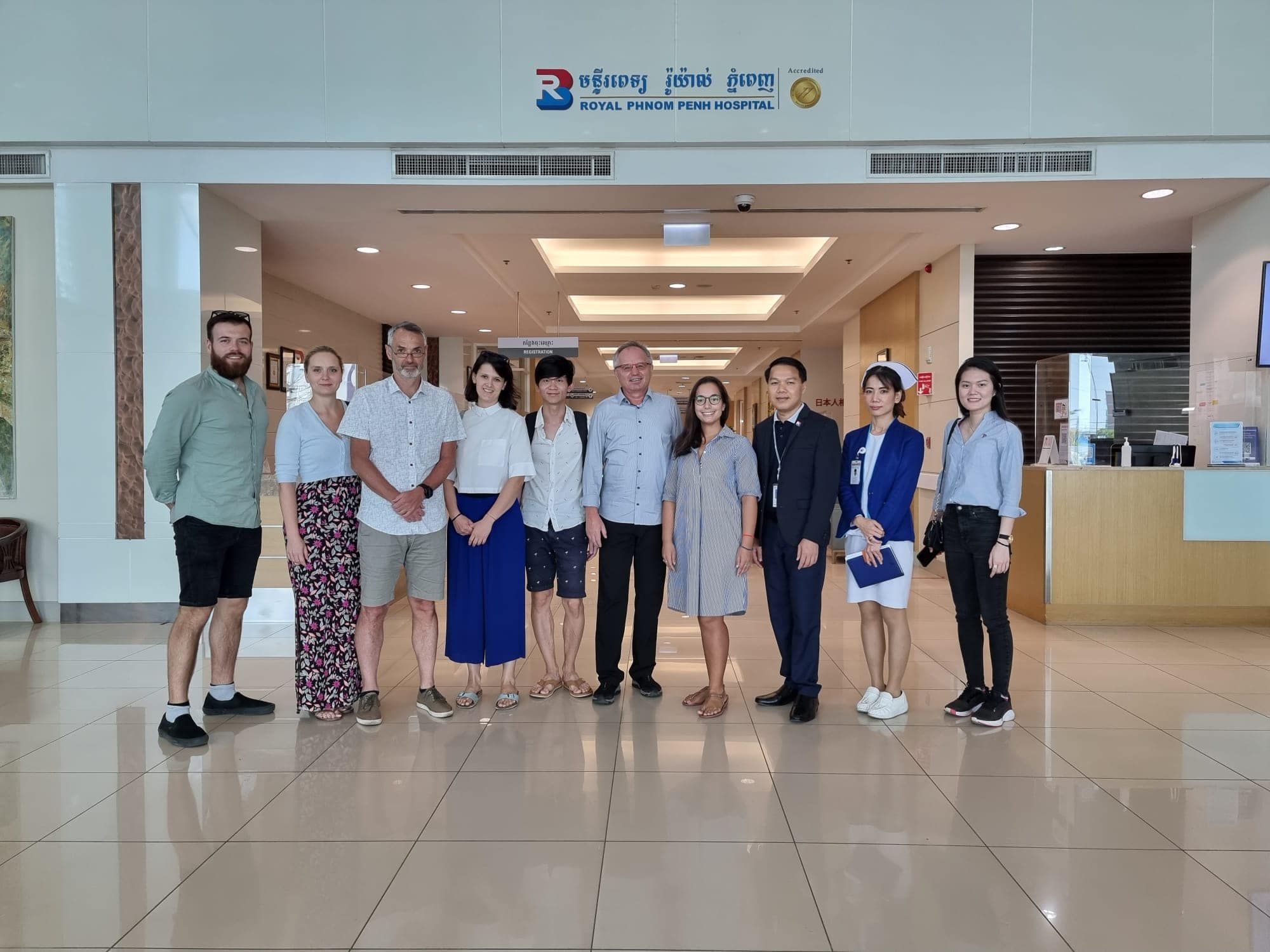
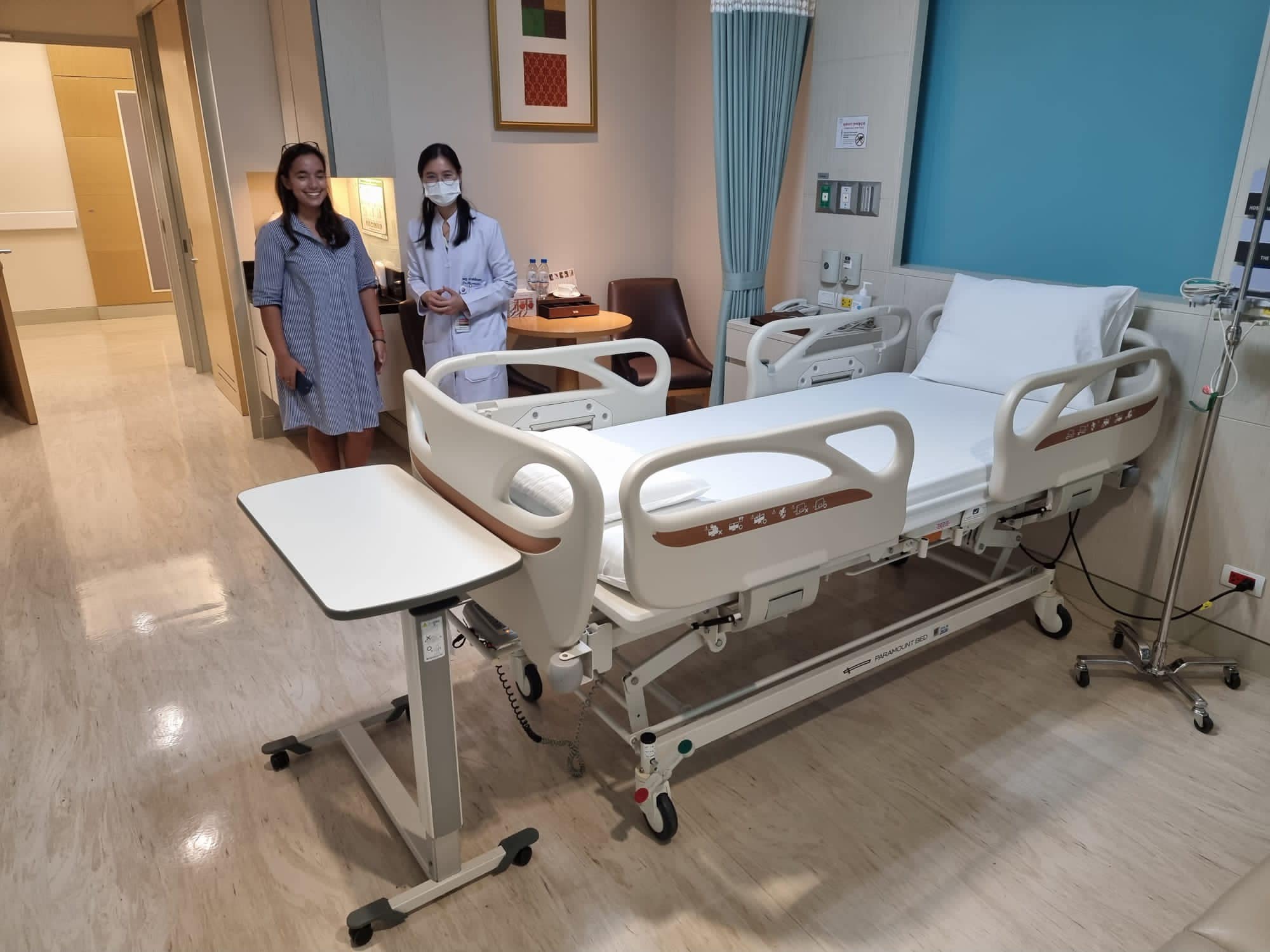
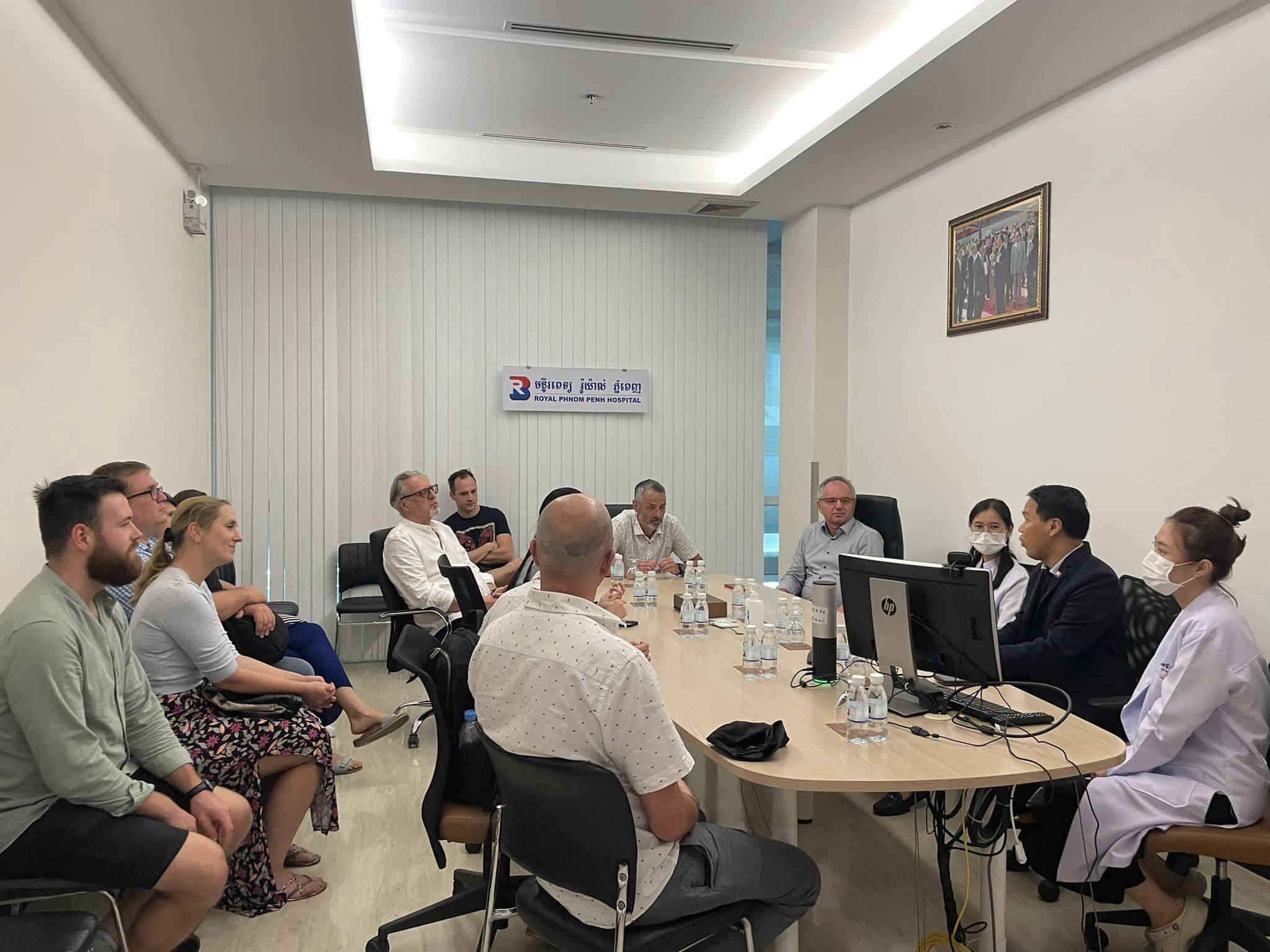
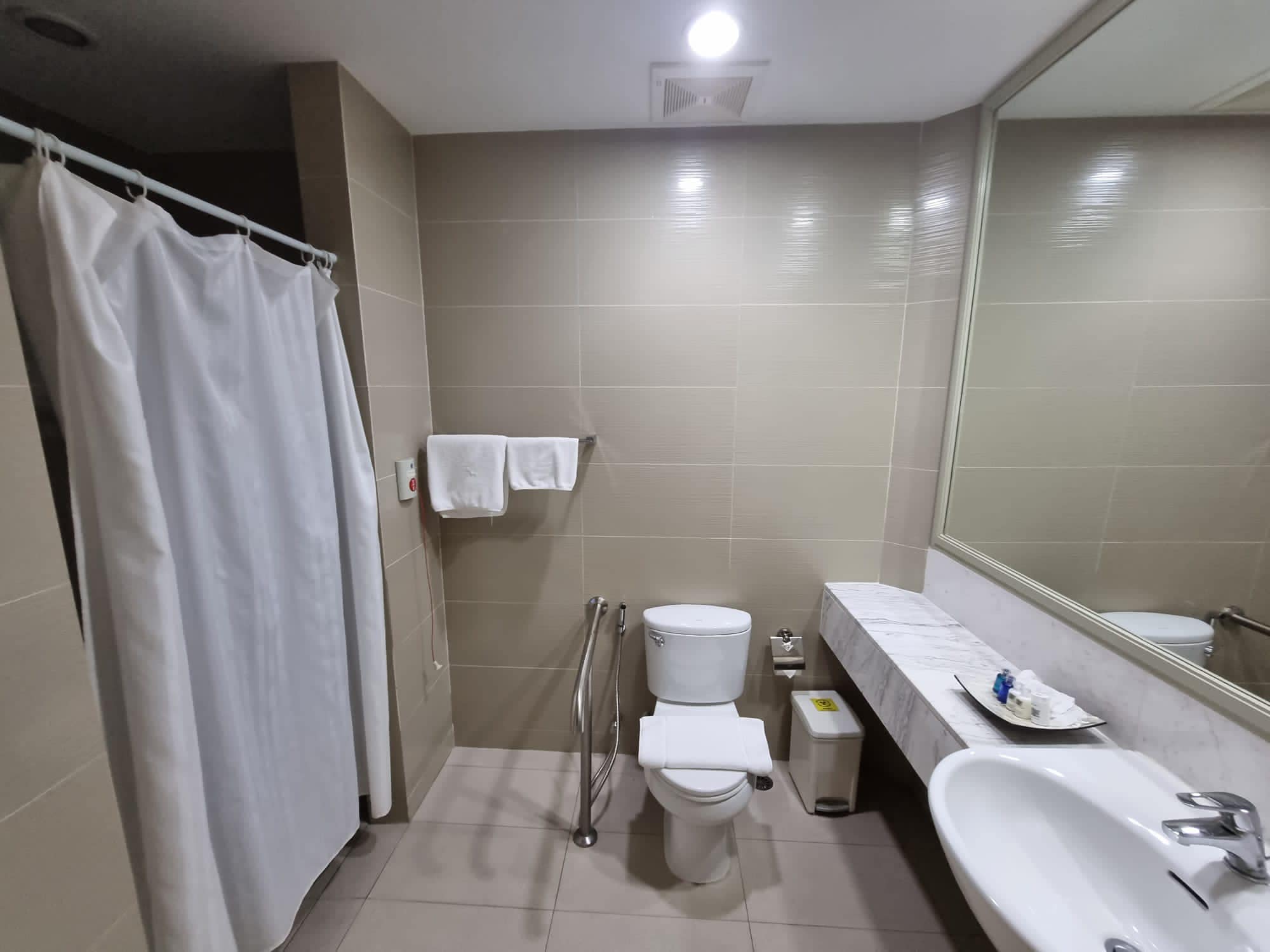
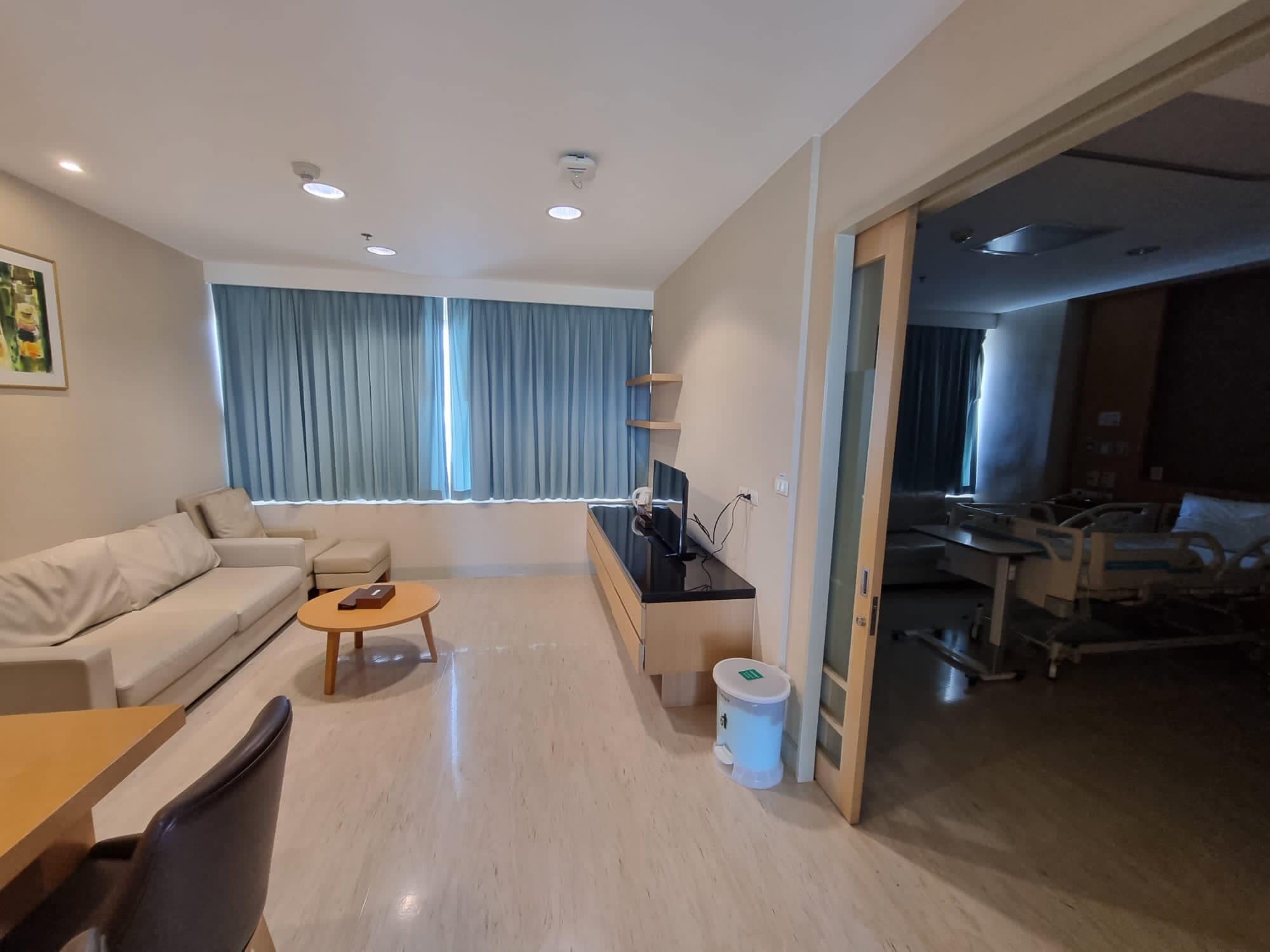
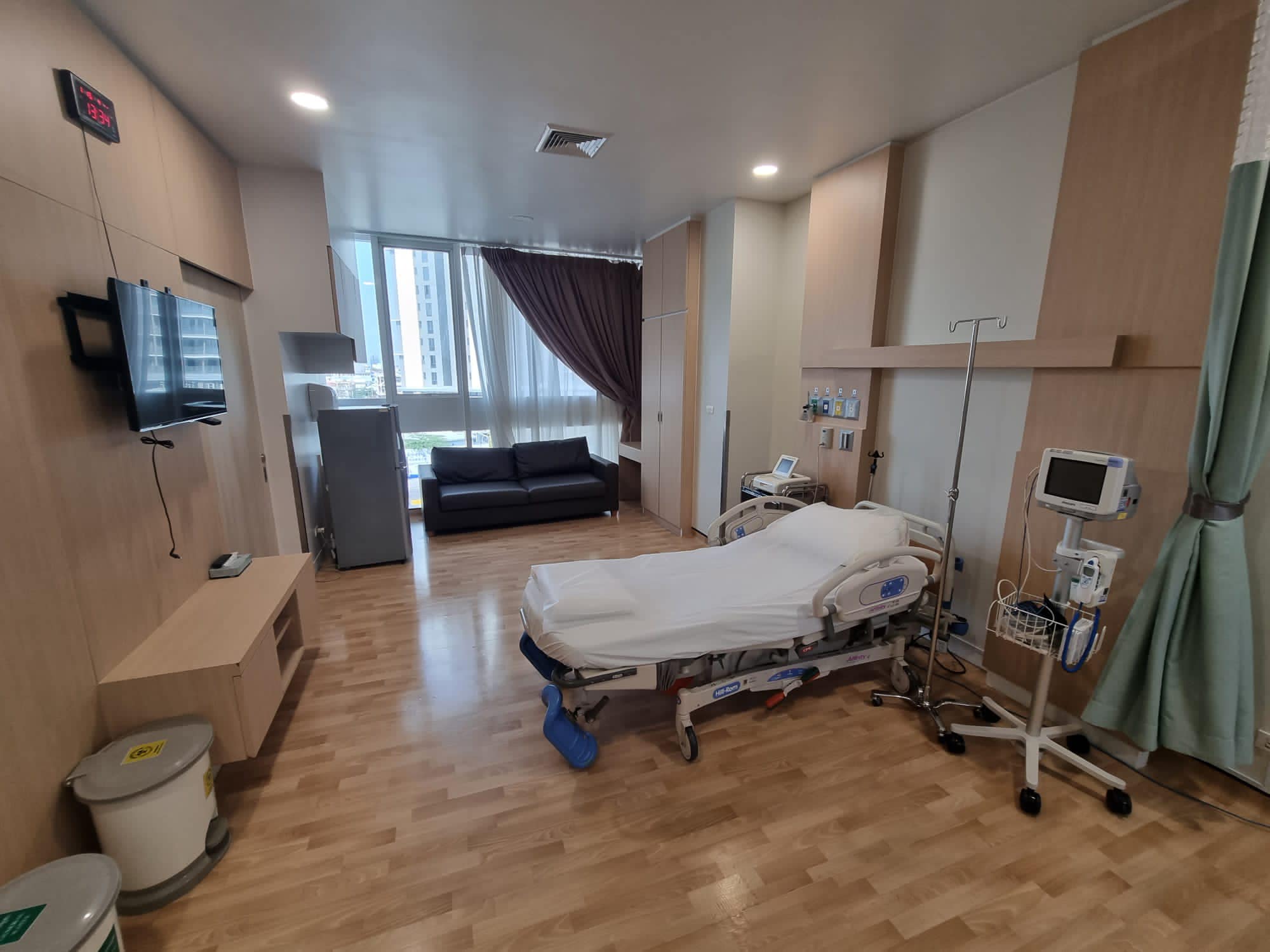
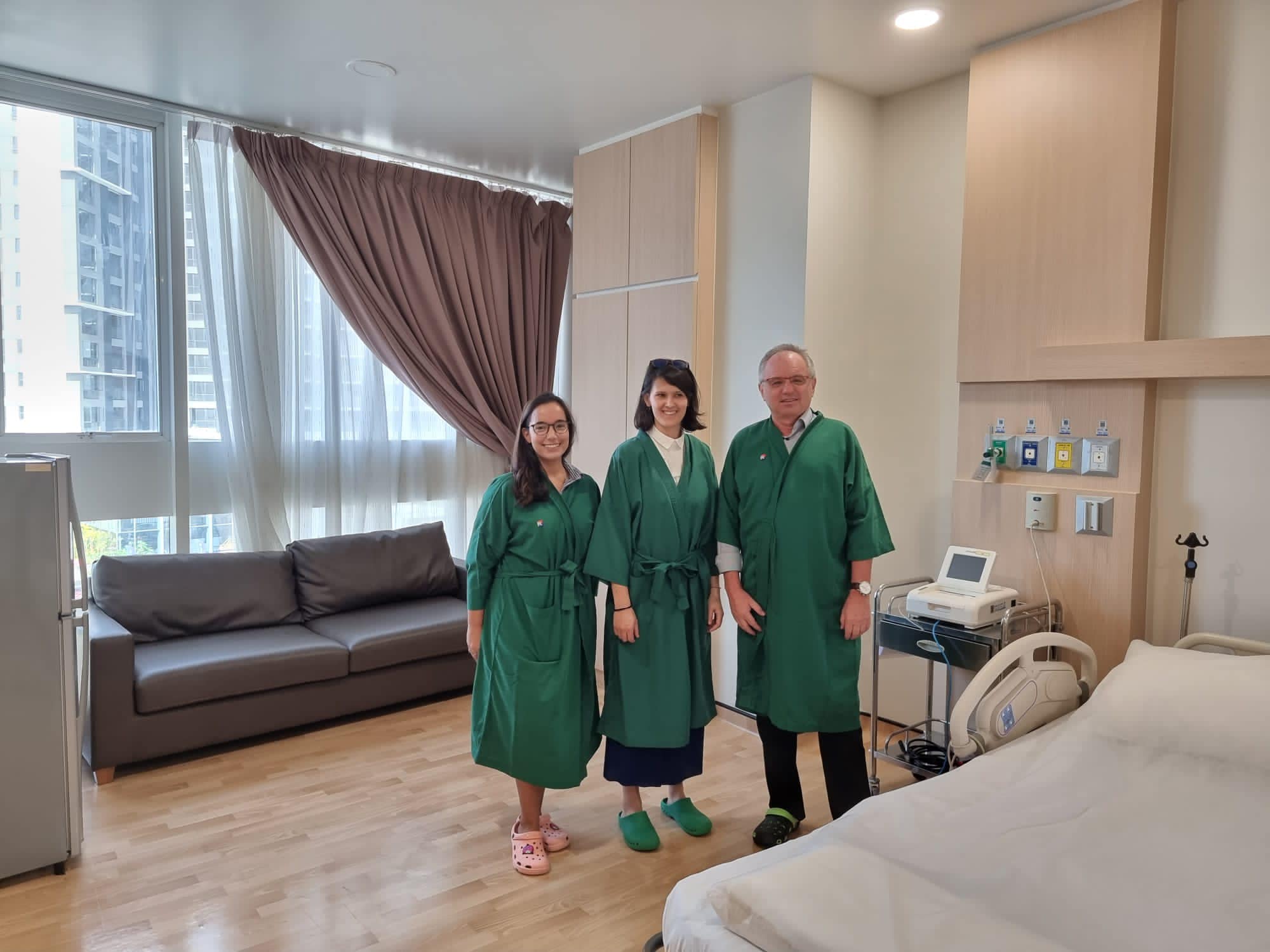
We also visited a private clinic. This meant that, in addition to completing our educational programme, we had the opportunity to see some of Cambodia’s other healthcare facilities.
16 January 2023
Part One:
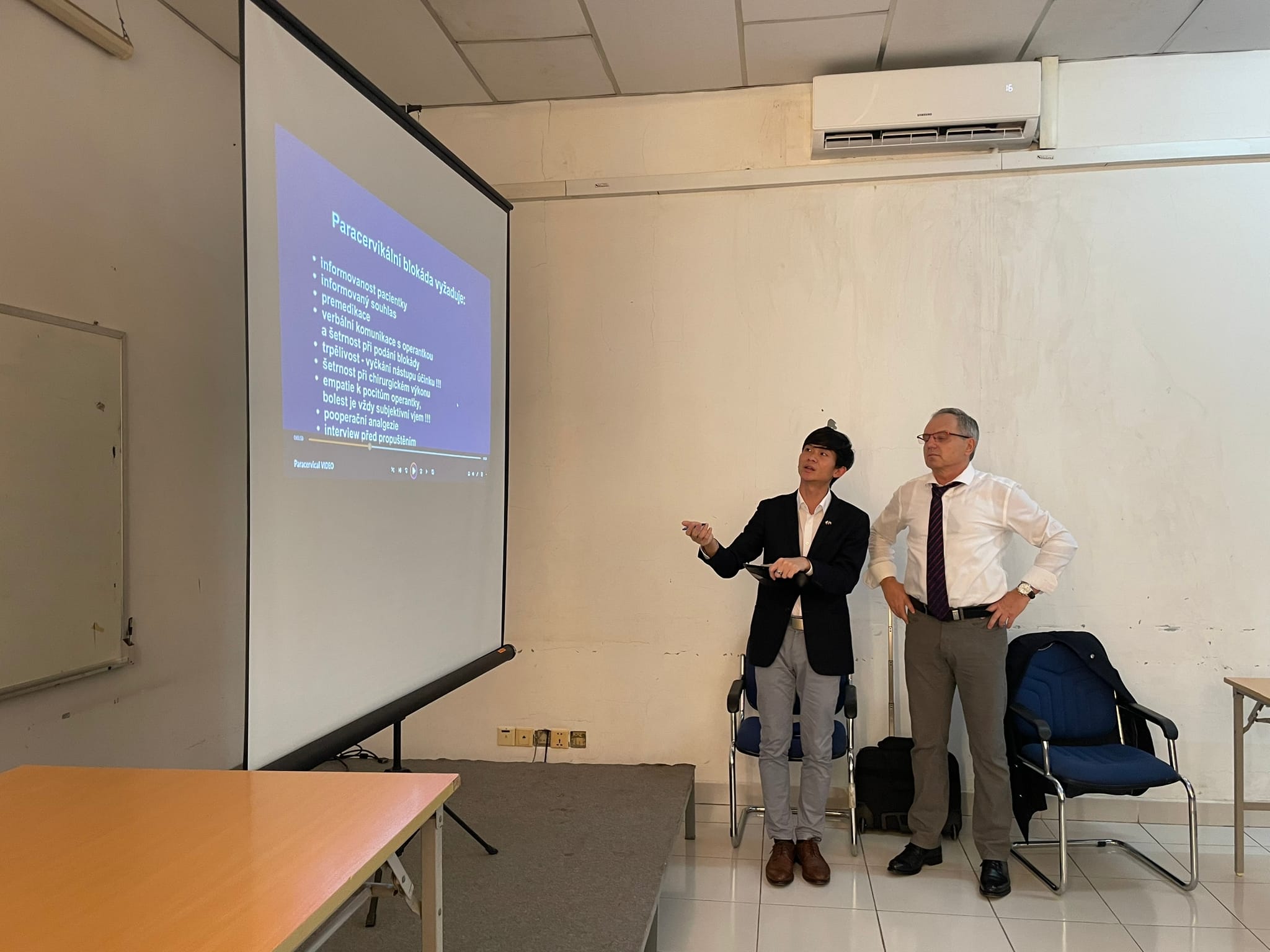
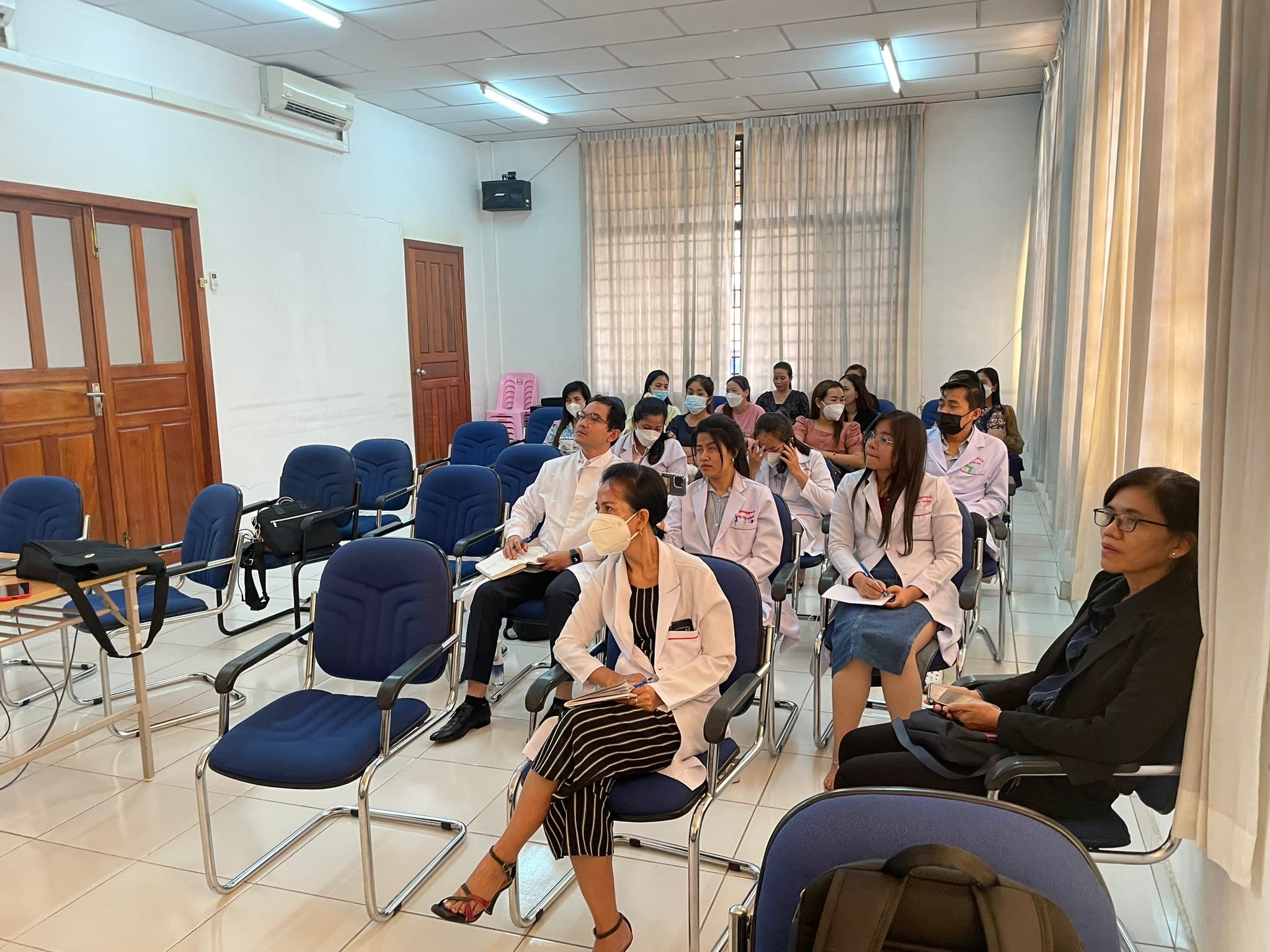
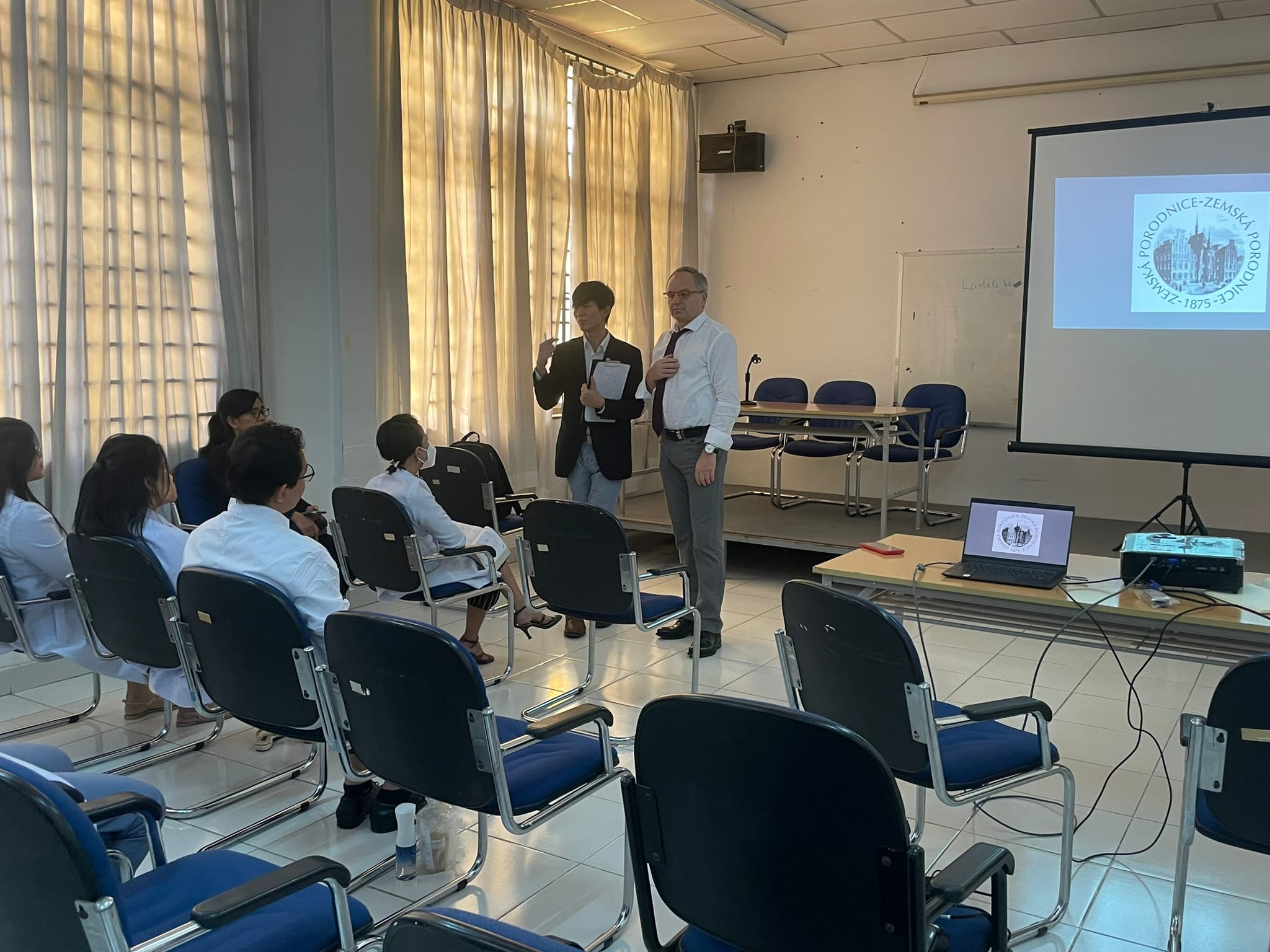
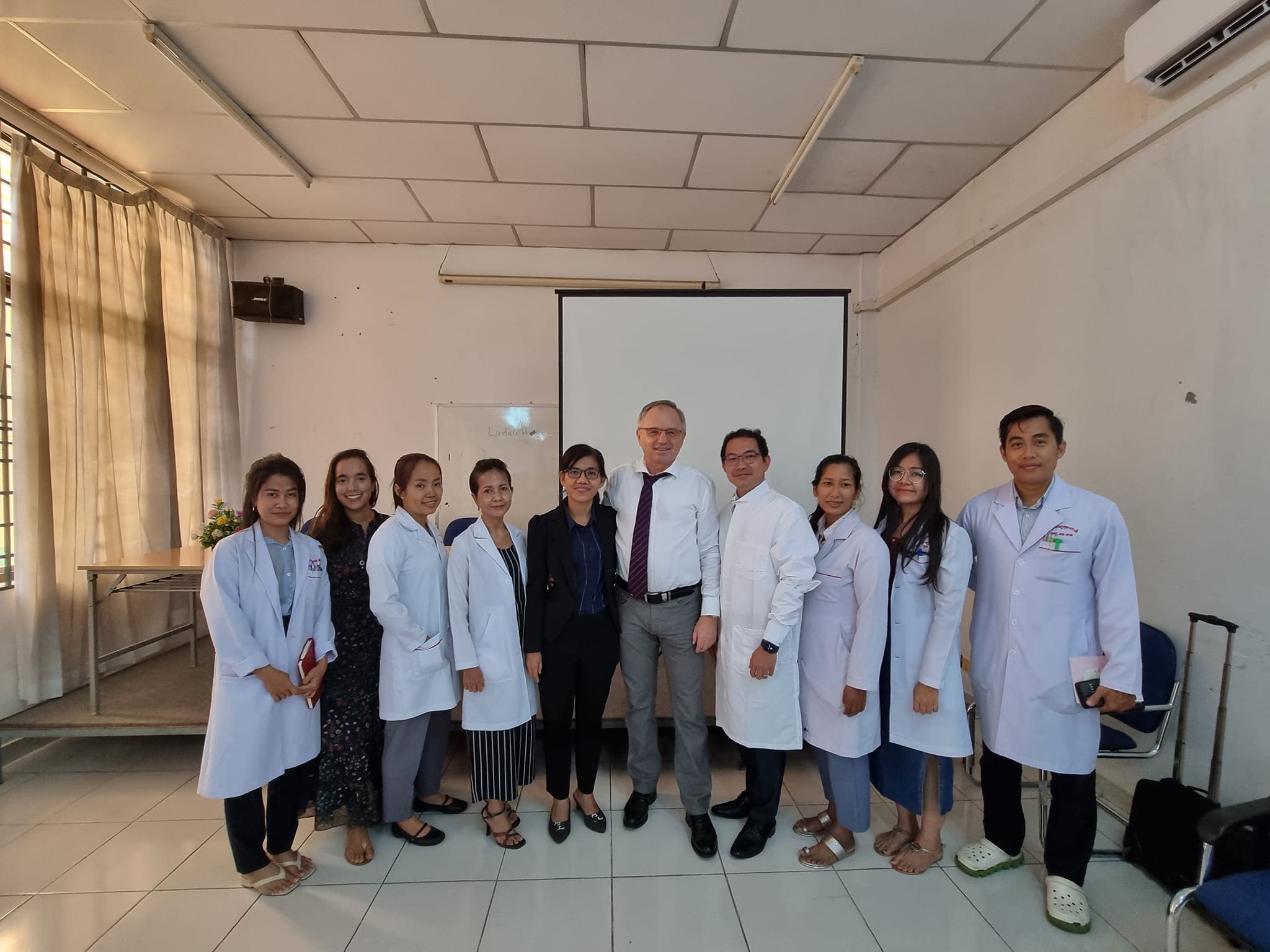
Ženy v Národní pediatrické nemocnici rodí bez jakékoliv pomoci pro útlum porodních bolestí. Aby toho nebylo málo, tak zejména v provincii se provádí i celá řada chirurgických výkonů bez anestezie (umělé ukončení těhotenství, spontánní potraty, kyretáže atd.). Proto jsme s MUDr. J. Bláhou operativně uspořádali pro porodníky workshop o epidurální analgezii u porodu. O tuto metodu je zde velký zájem. Než k tomu však organizačně i personálně dojde, tak jsem zařadil workshop o inhalační analgezii s ENTONOX (lidově rajský plyn) a zejména o paracervikální analgezii/anestézii. K paracervikální anestézii totiž není potřeba povolávat anesteziologa, může ji udělat každý gynekolog anebo porodník. Je tak možné provést celou řadu chirurgických zákroků v luxusní regionální anestezii/analgezii. Doufejme, že zavedení těchto metod nenarazí na finanční úhradu chudých pacientek.
Part Two:
Poslední den naší účasti byl věnován bioinženýringu, a to přímo v prostorách Národní pediatrické nemocnice. Při přípravě konference se vedly velké dohady, zda může být organizována i v sobotu, kdy nebývá zdejším zvykem moc pracovat. Realita?
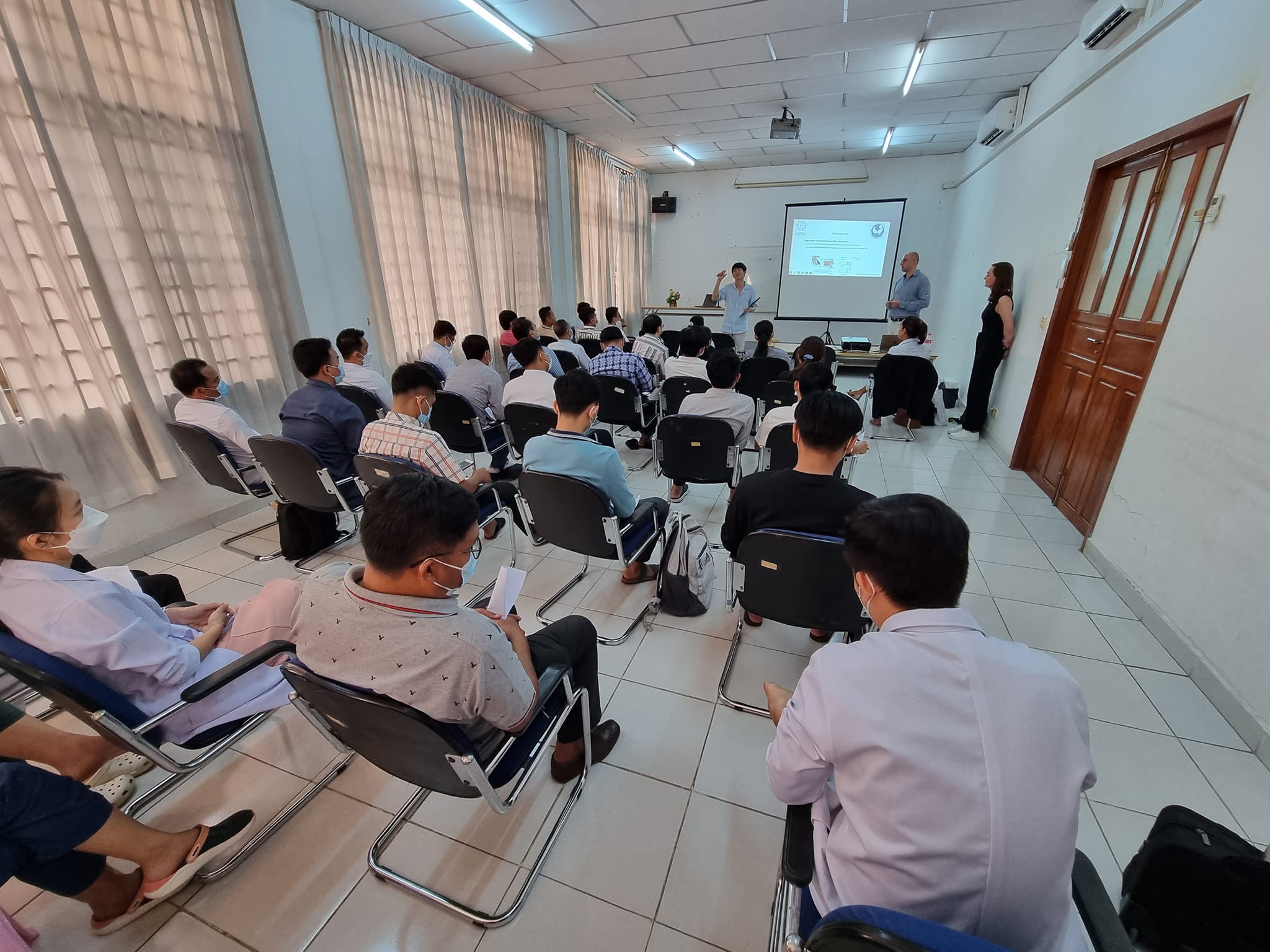
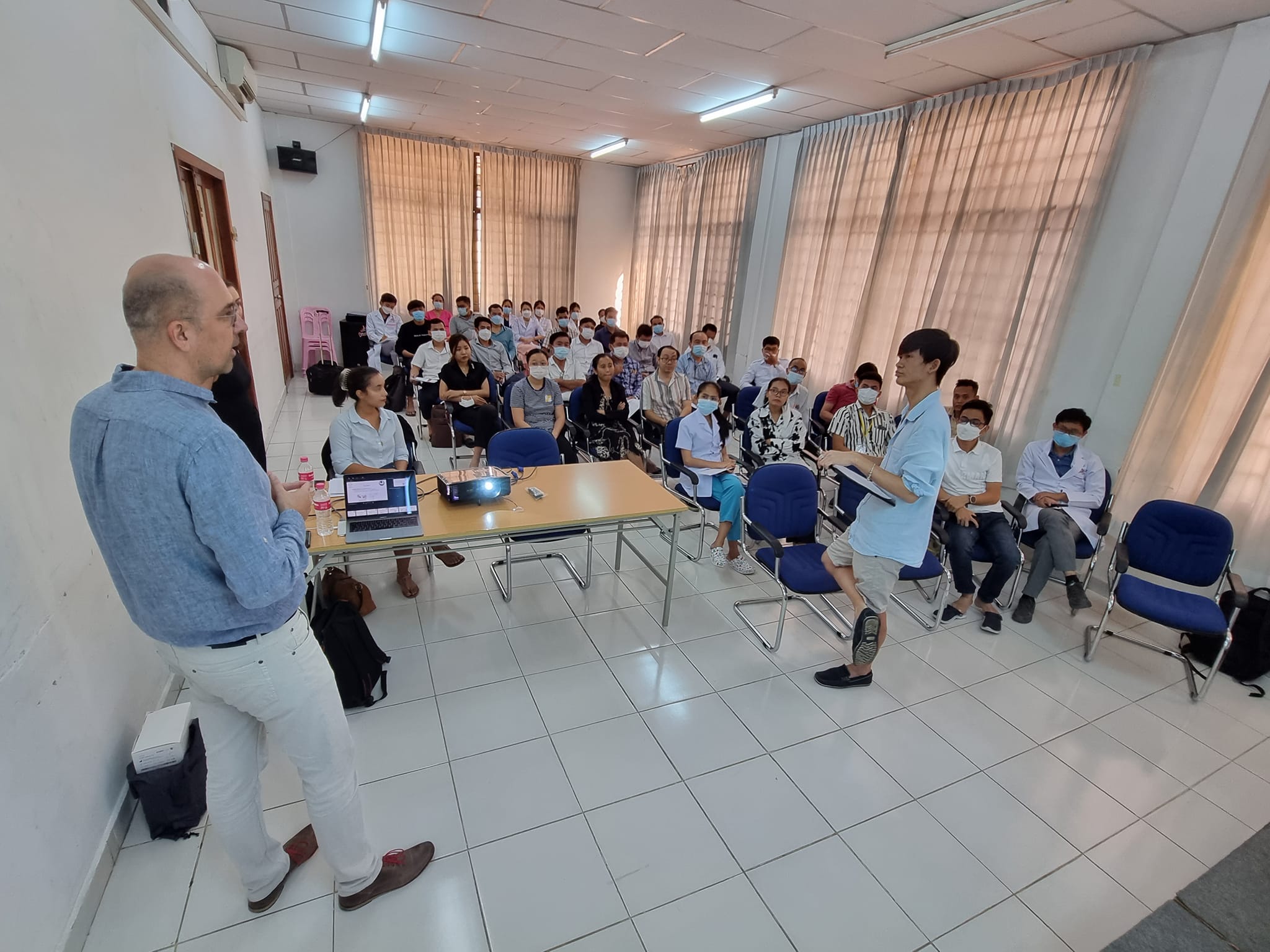
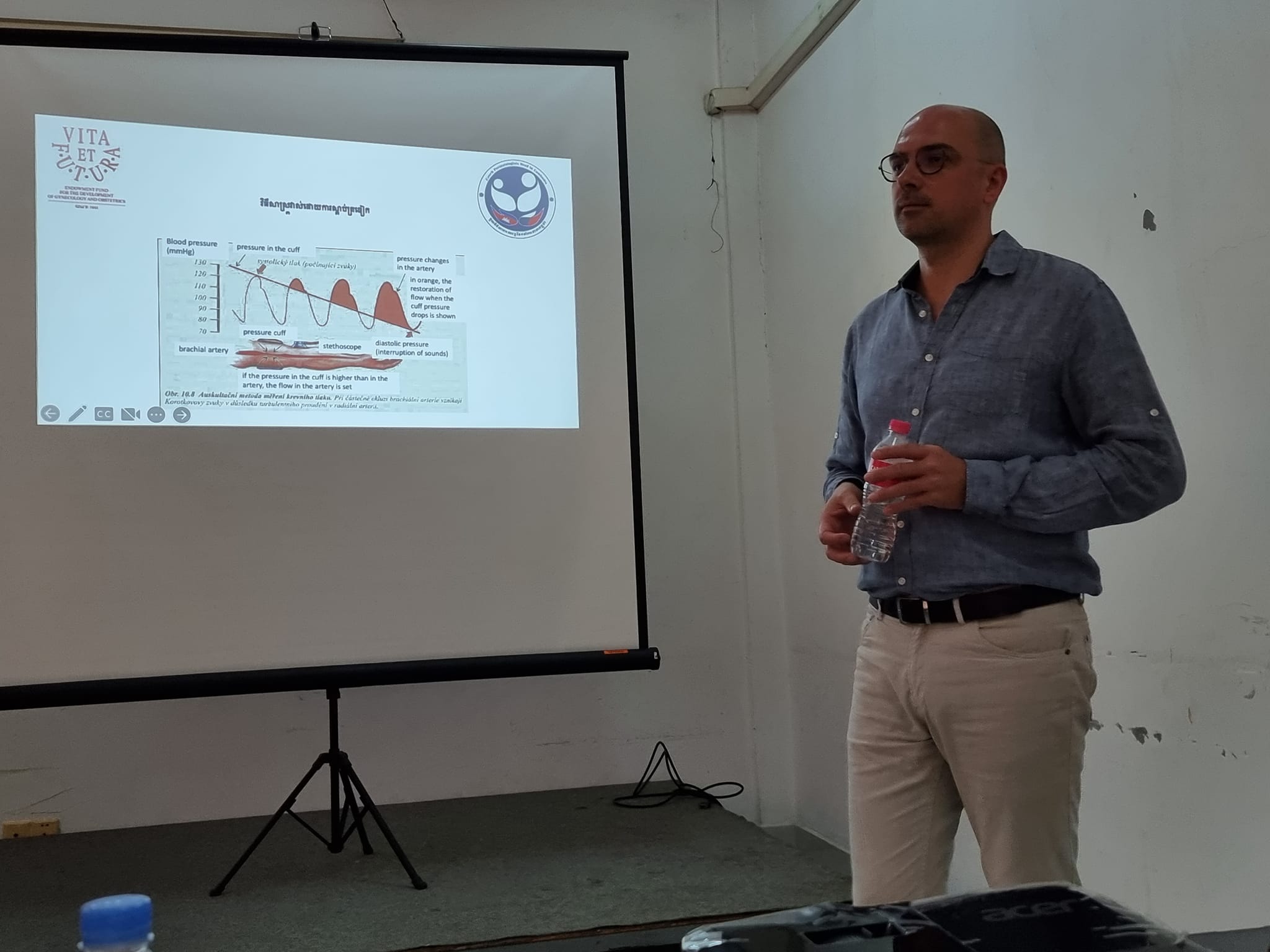
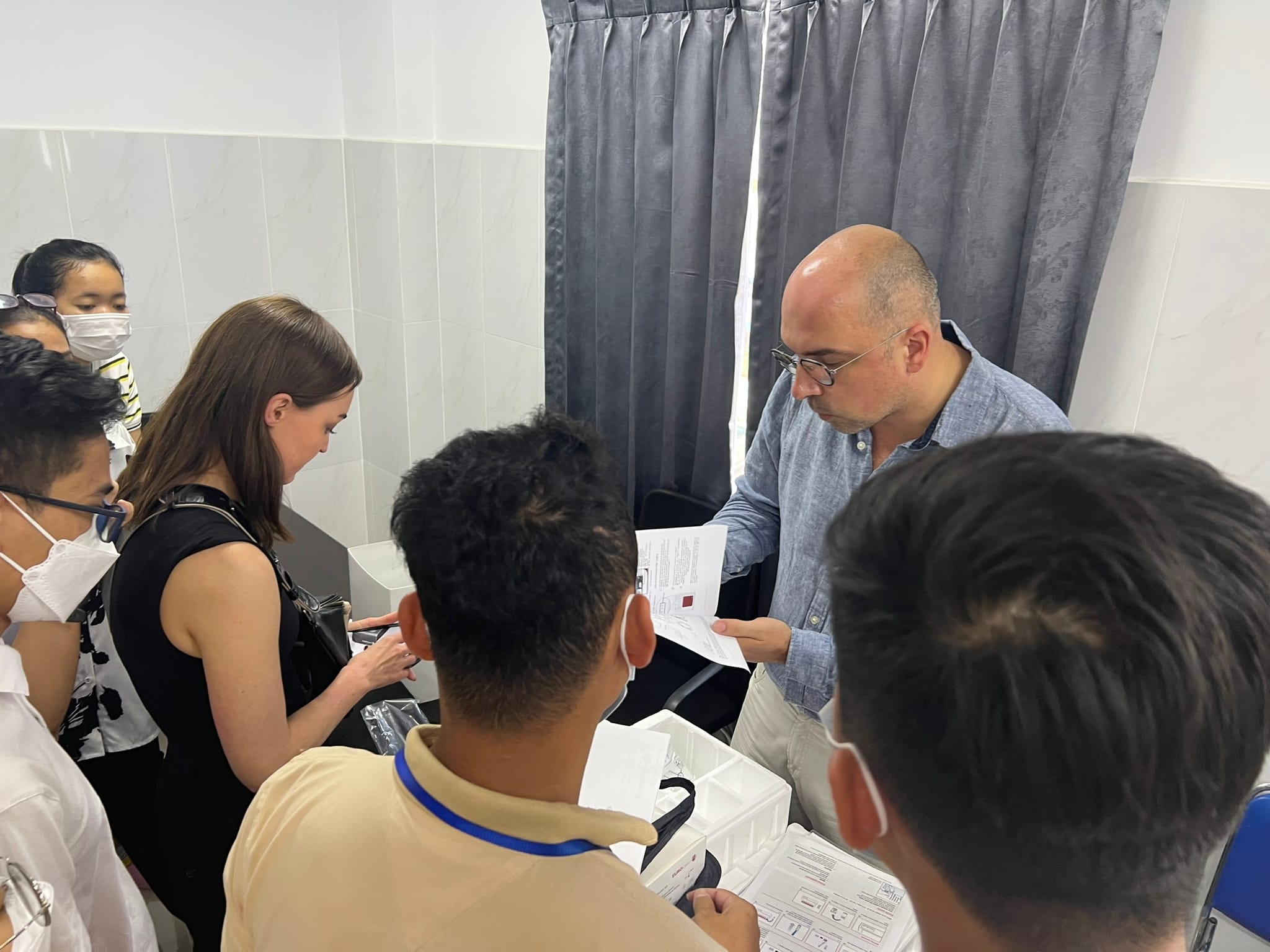
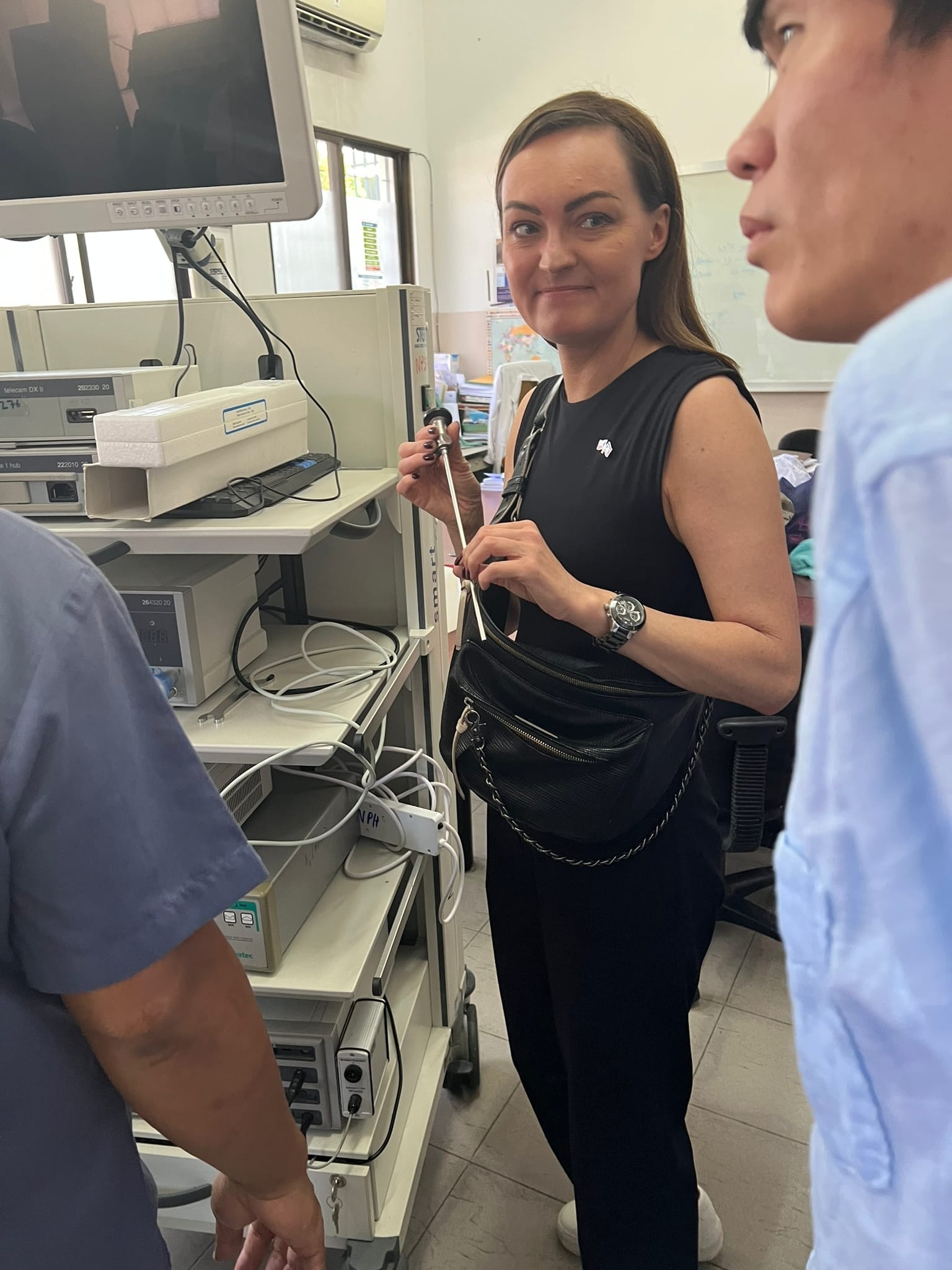
Při prezentacích docenta Petra Kudrny and inženýrky Lucie Novotné si nebylo kde sednout. Přijelo i nebývalé množství zdravotníků z provincie Kampong Chhnang. Ukázalo se, že bioinženýring musí být nedílnou součástí naší humanitární pomoci, aby zde lidé uměli ovládat mnohdy úzce specializované přístroje, které jsou za nemalé finanční prostředky poskytnuty prostřednictvím CzechAid. BTW Petr v praxi před zraky zájemců zprovoznil náš dar. Přístroj na analýzu C-reaktivního proteinu (CRP) pro diagnostiku zánětu.
Part Three
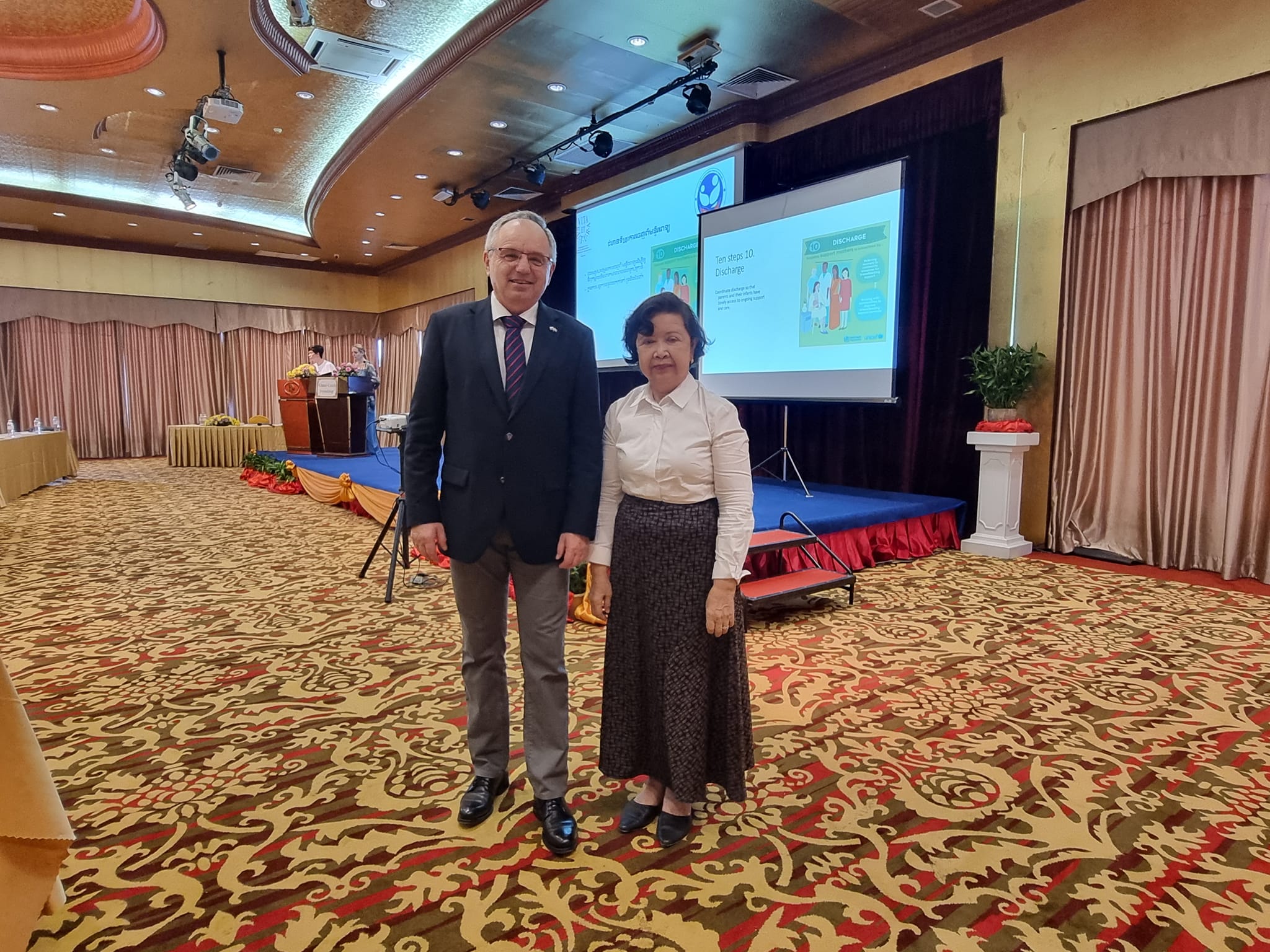
Prof. Kruy Leang Sim je Vicepresident of Cambodian Society of Gynecology and Obstetrics (SCGO) and Under Sectetary of State of Ministry of Health. Tato v oboru perinatologie v Kambodži významně postavená dáma požádala o slovo a vyjádřila nám velkou pochvalu a poděkování Uznale hovořila o struktuře naší edukační konference, jejím obsahu a zejména ocenila multidisciplinární přístup k péči o matku a dítě.
Part Four
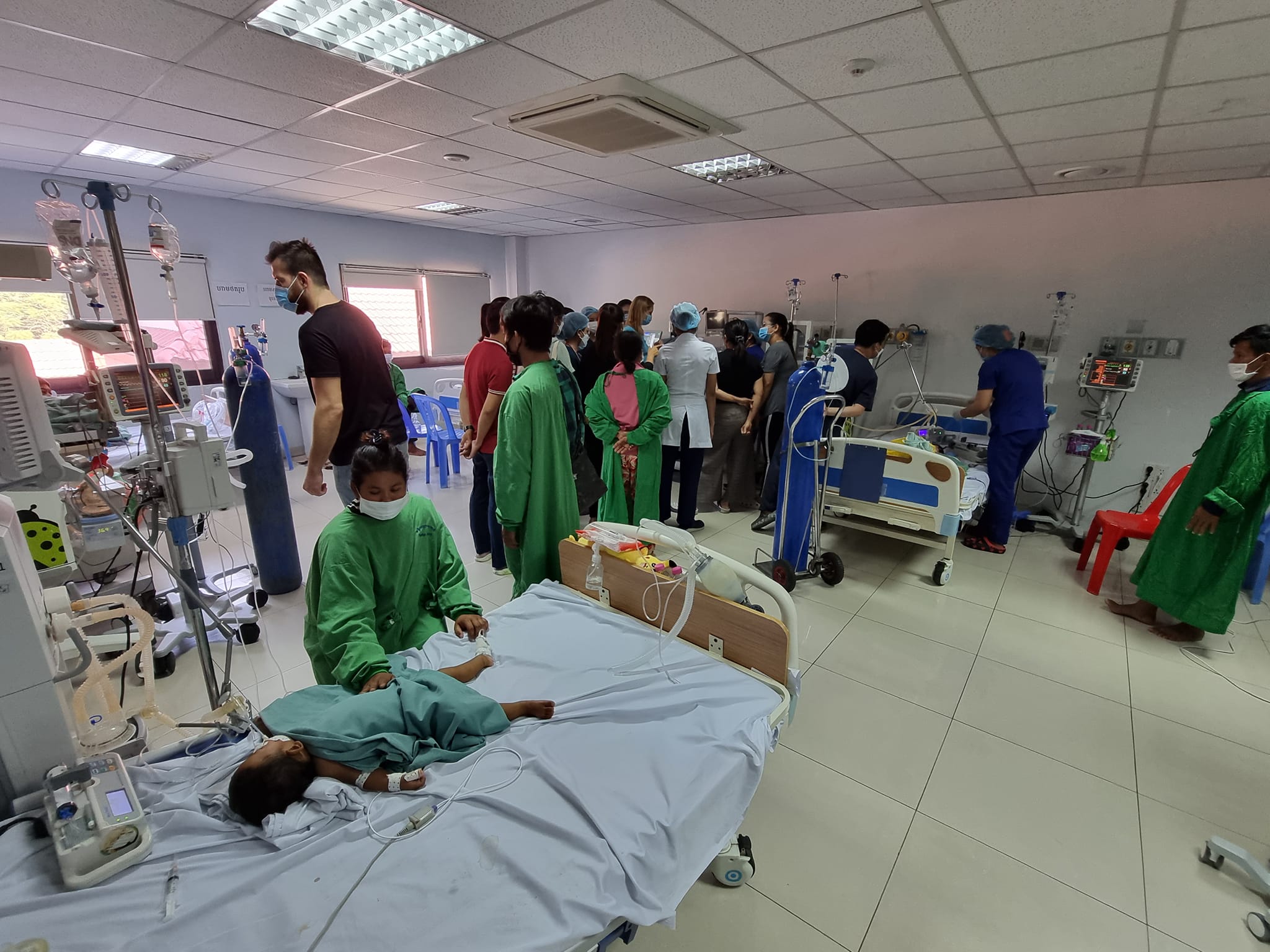
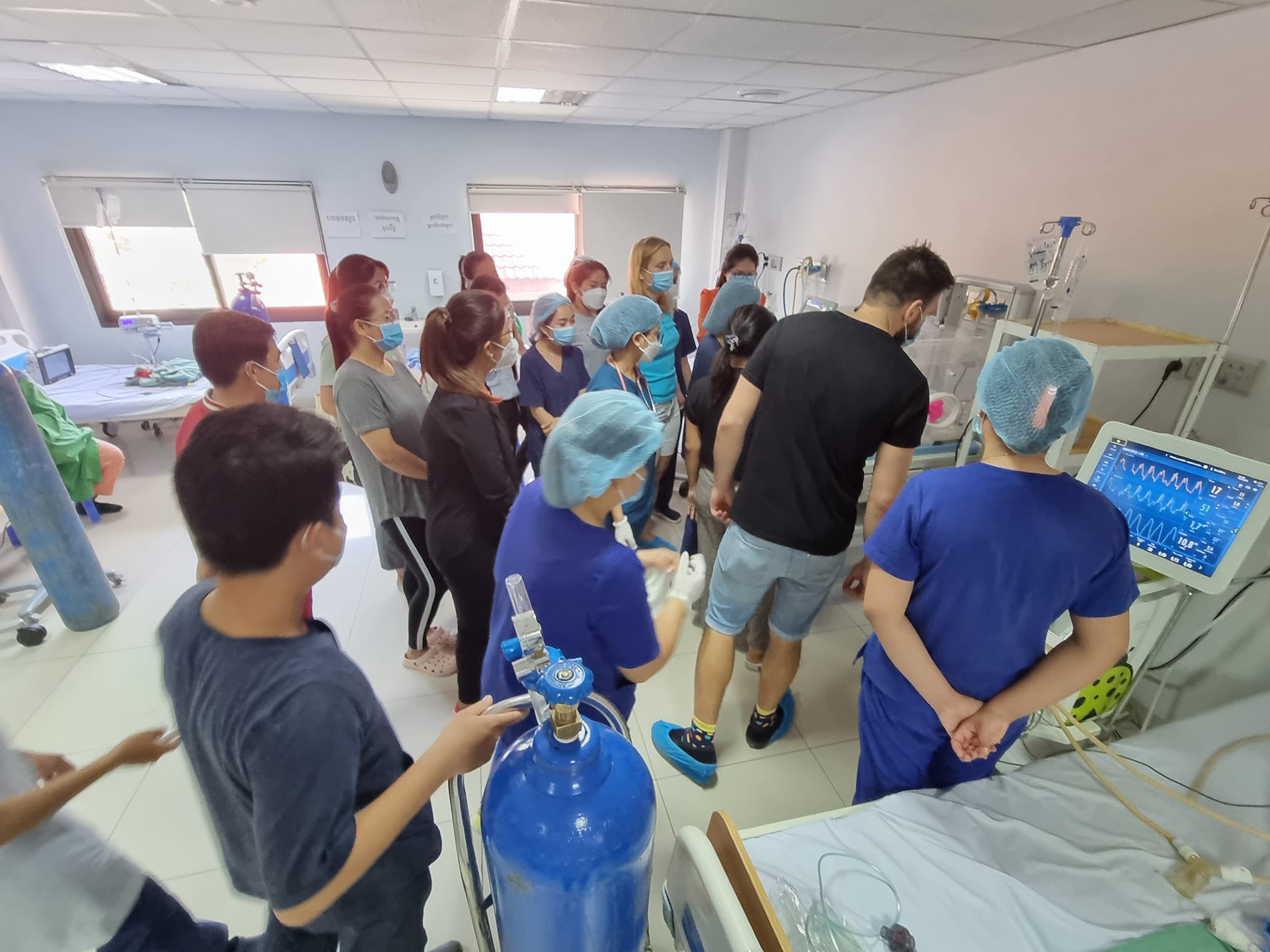
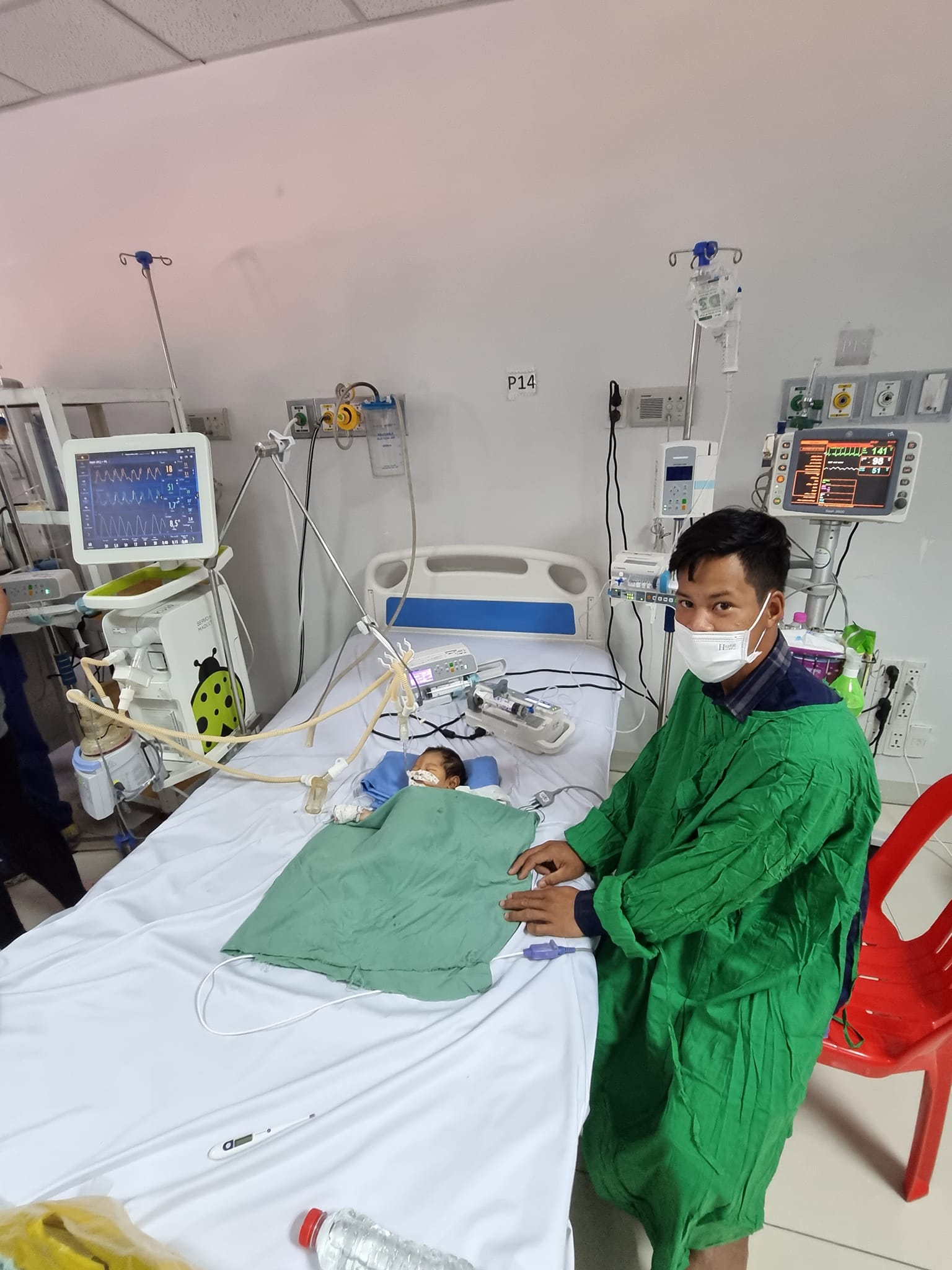
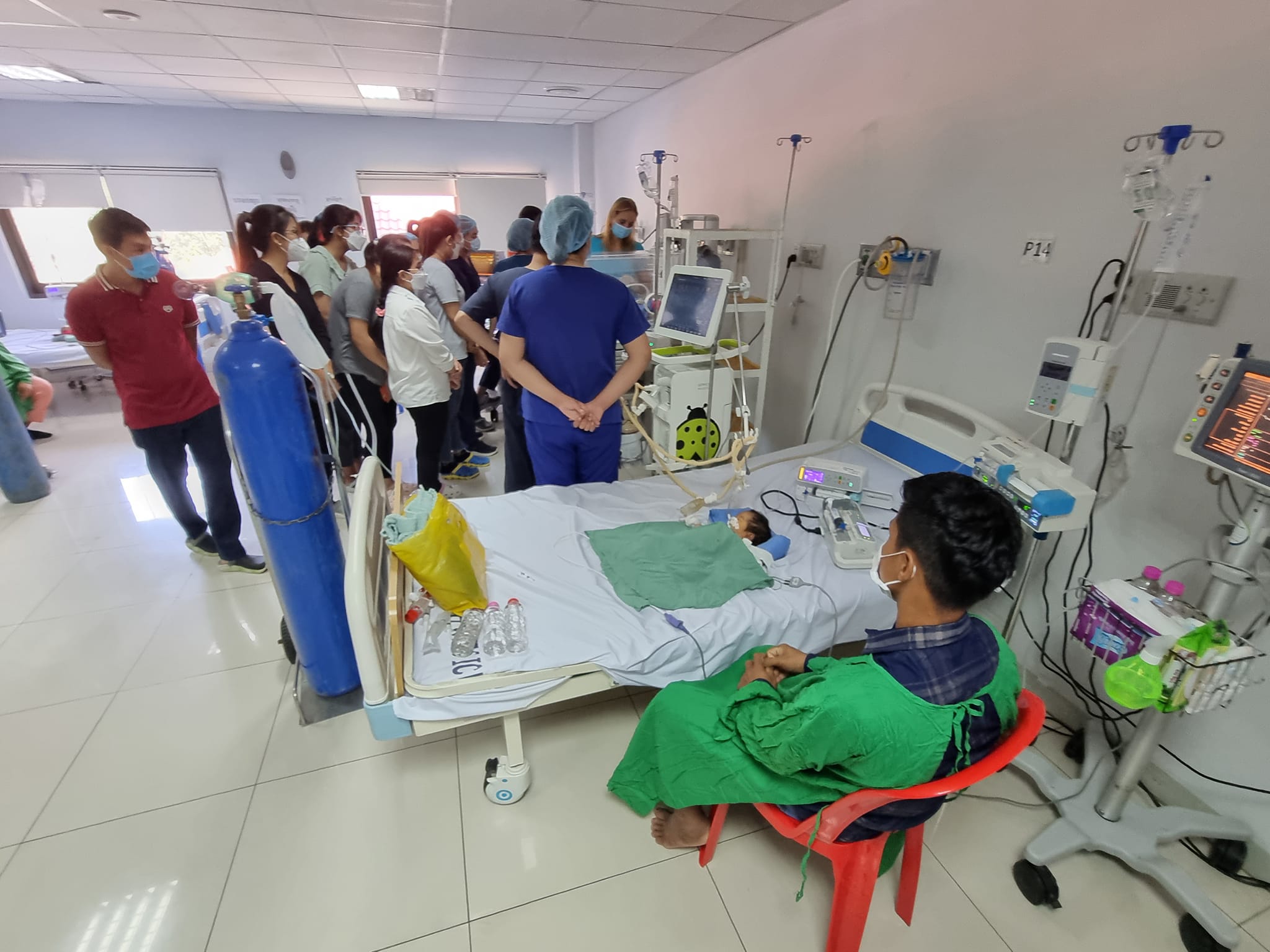
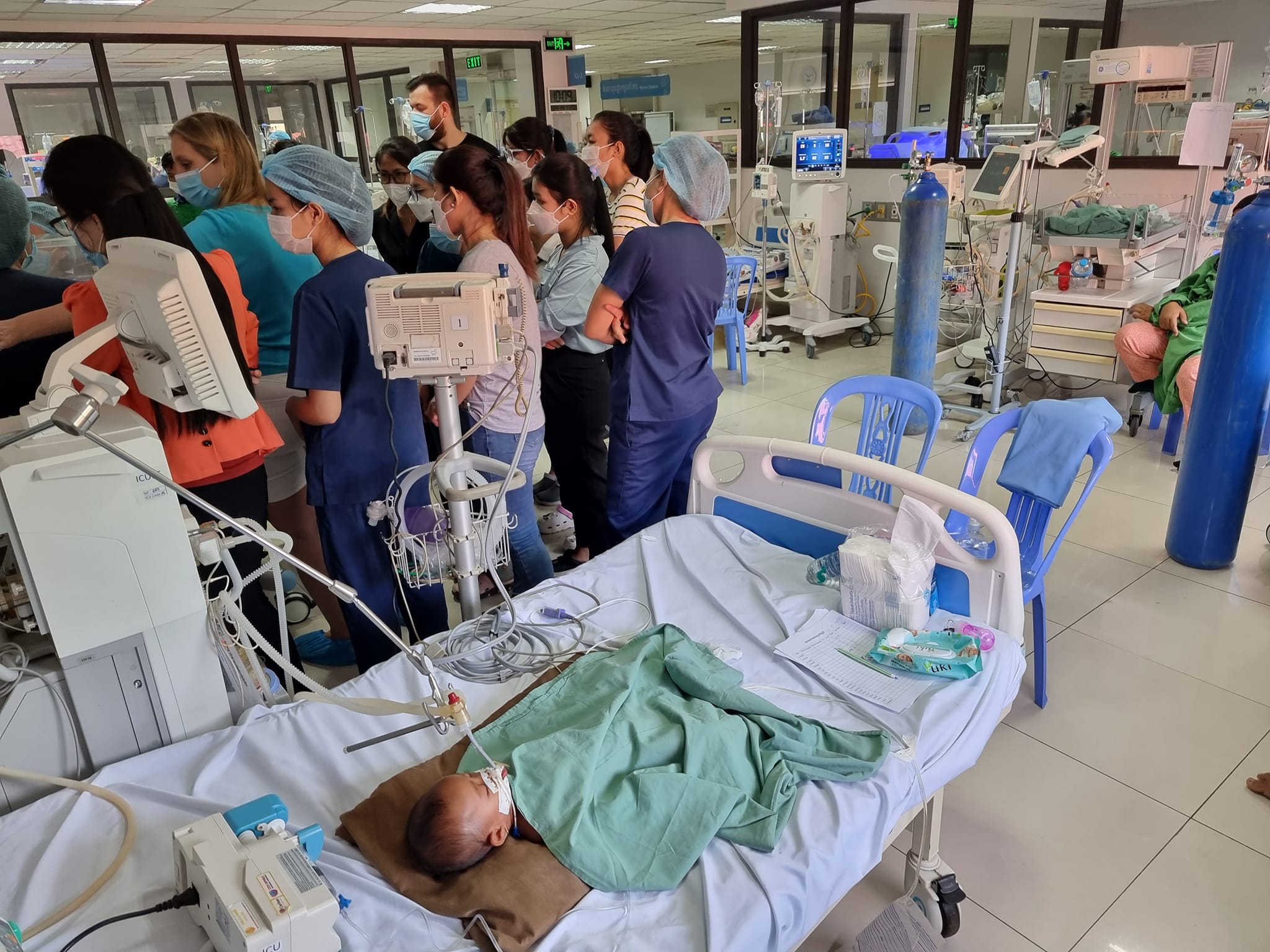
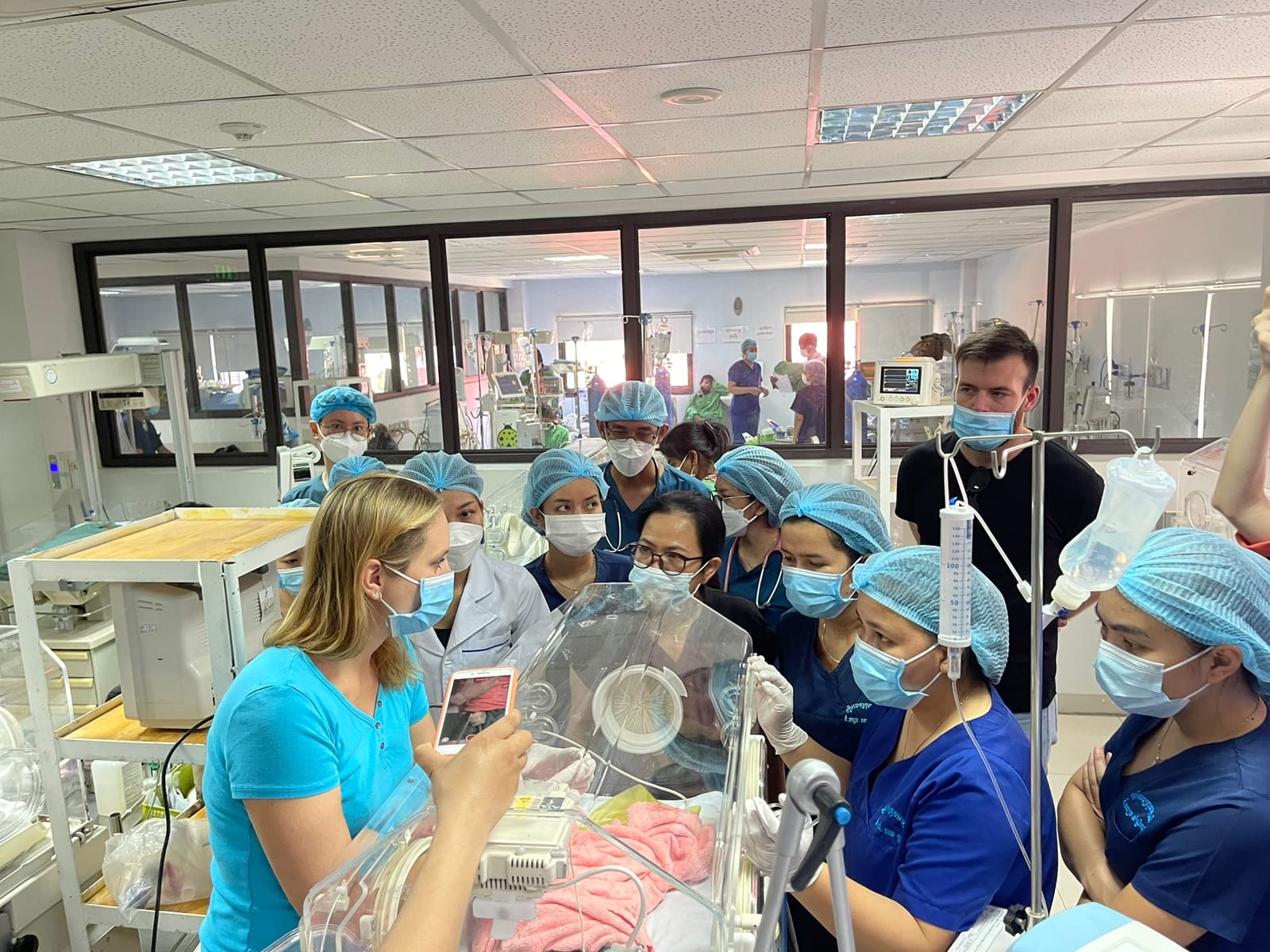
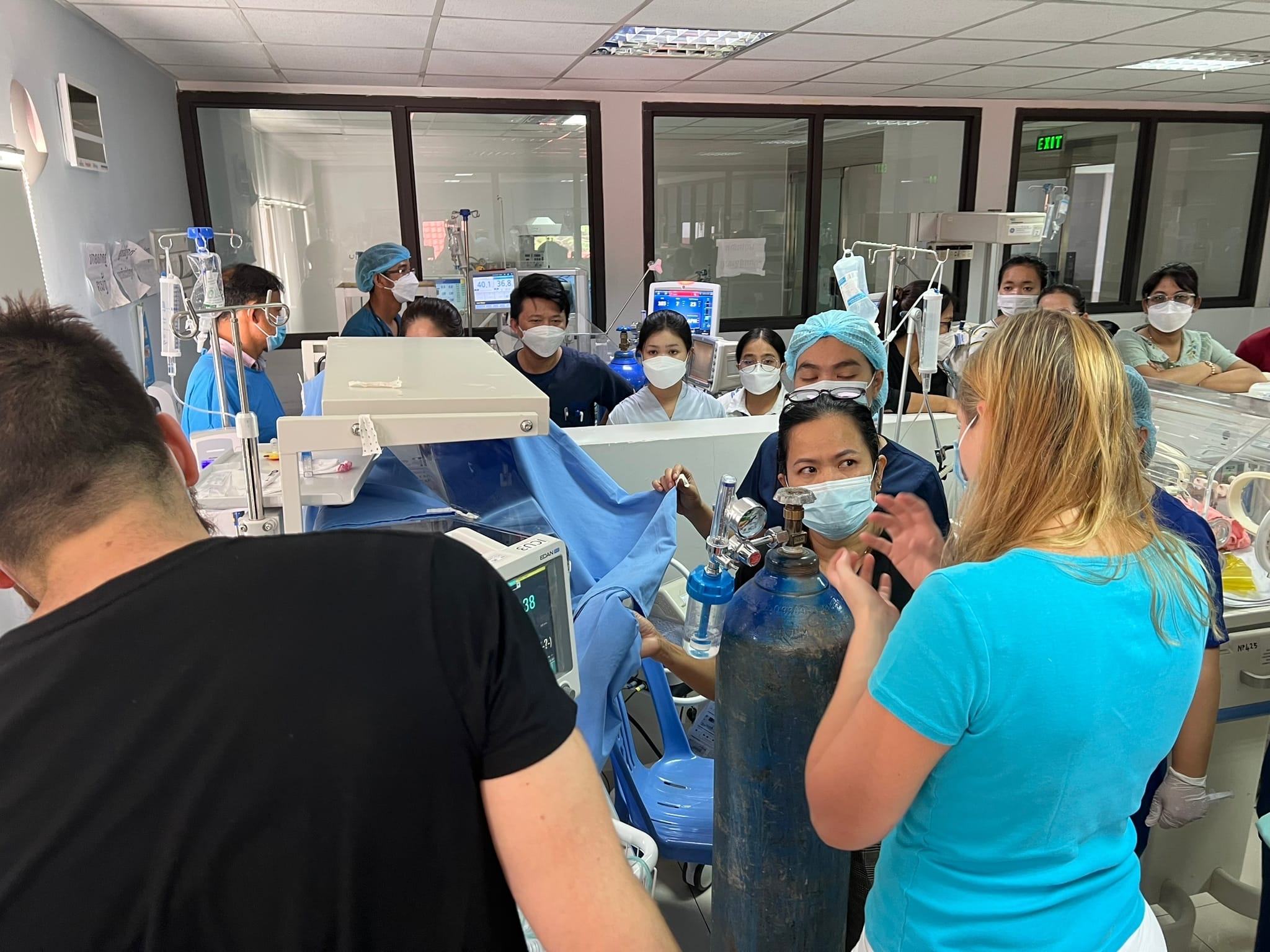
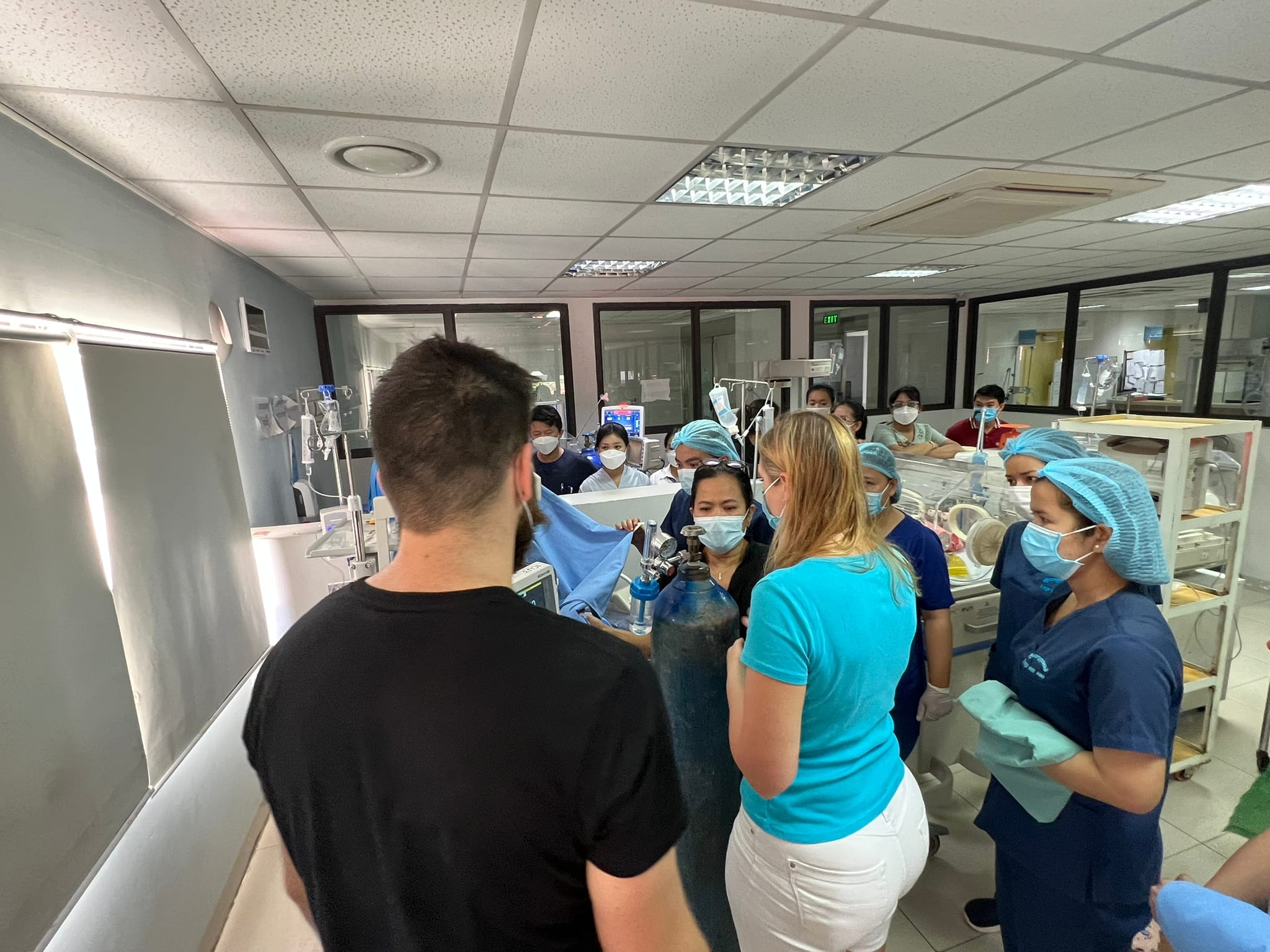
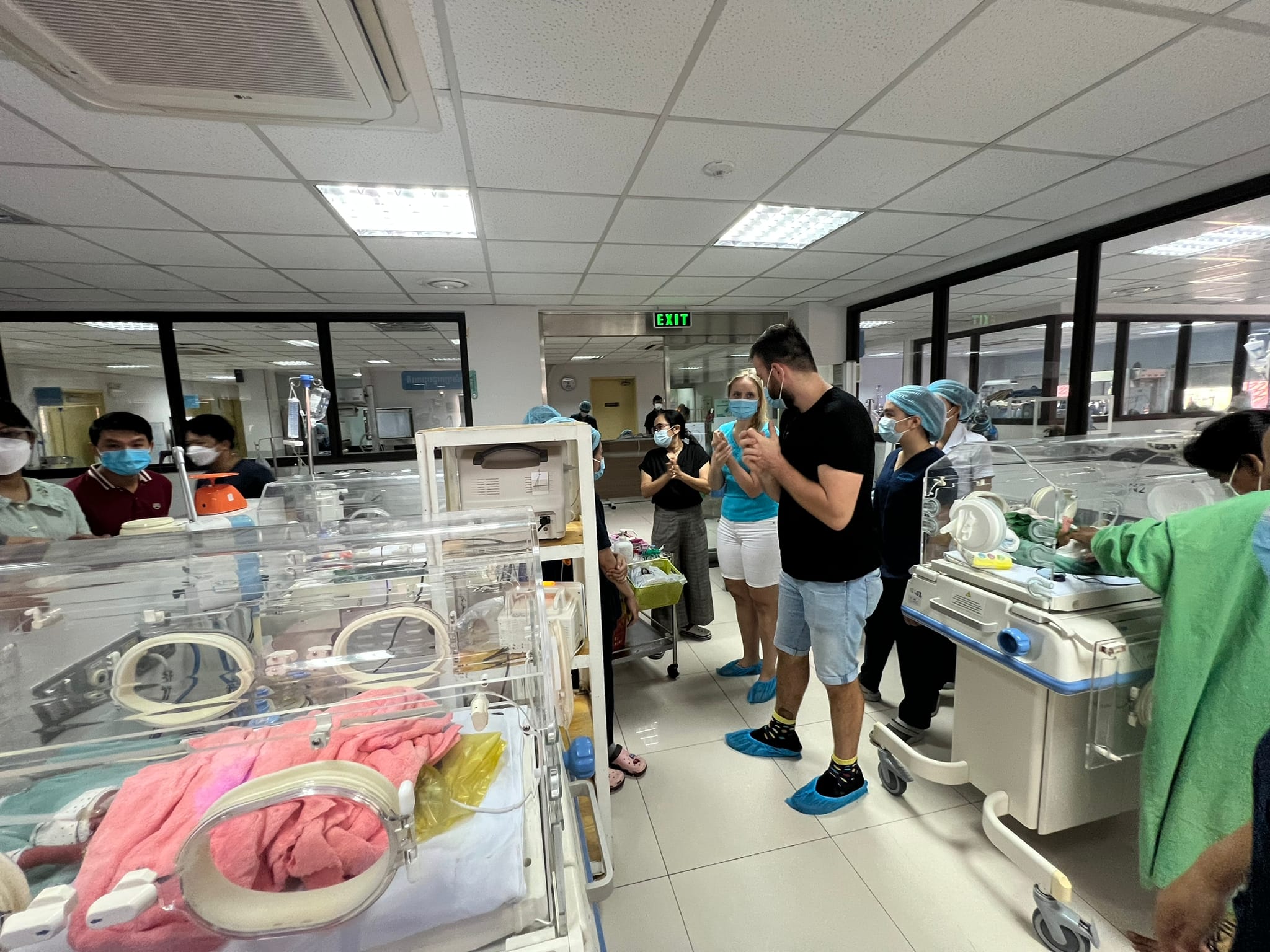
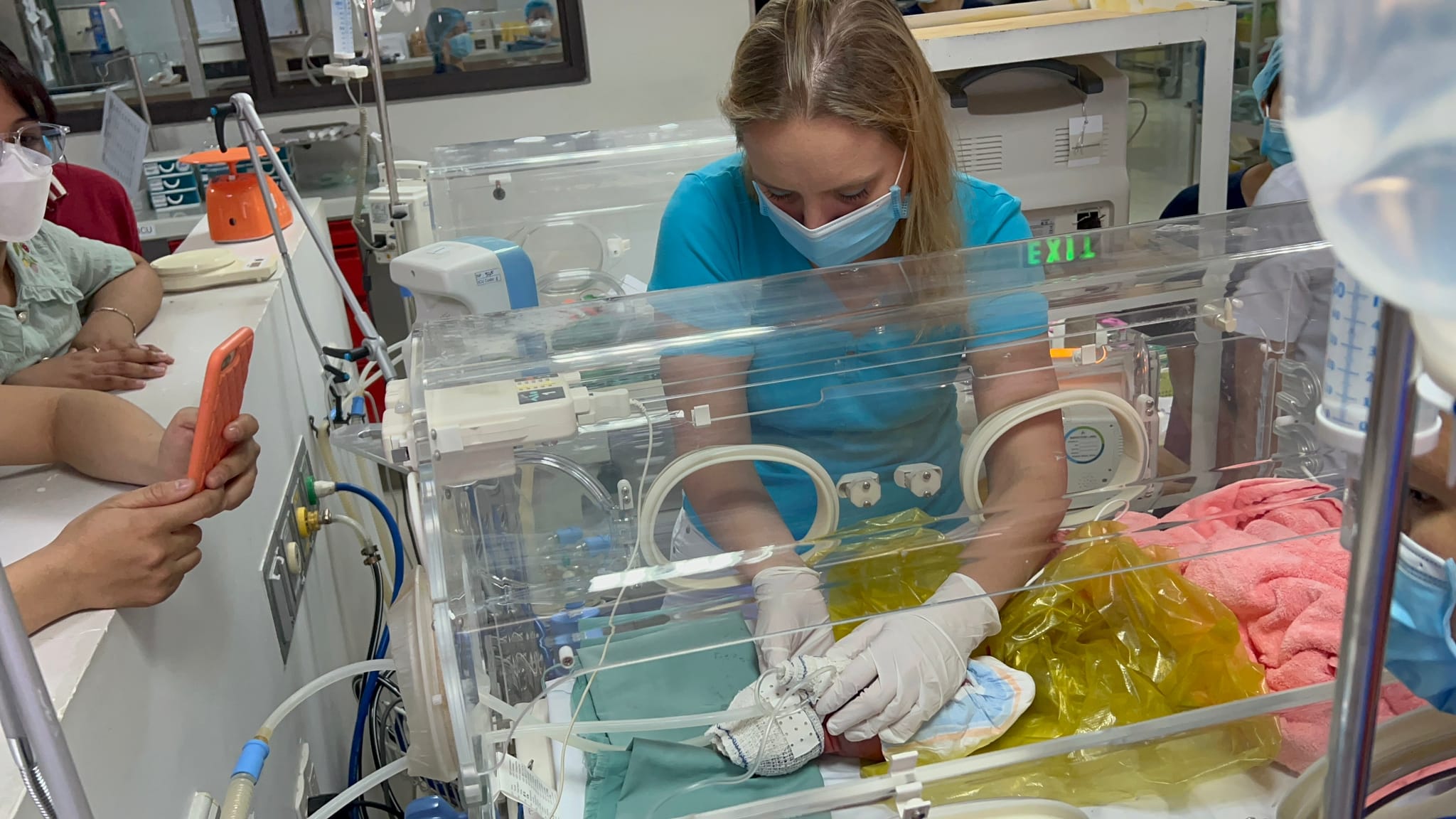
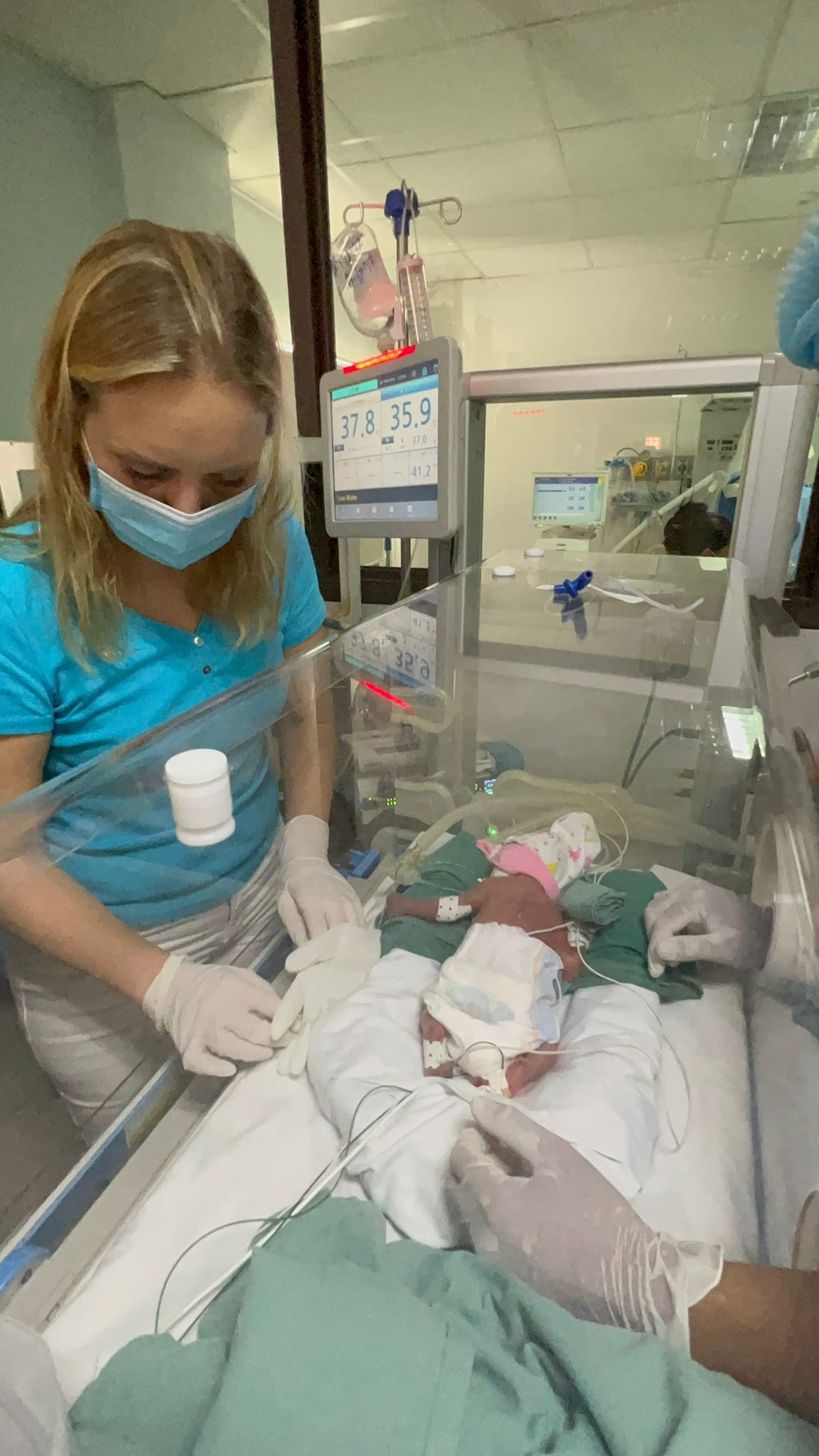
V sobotu jsme byli požádáni o praktickou výuku a pomoc na neonatologické jednotce intenzivní péče. Zuzana a Radovan ukazovali v praxi správnou techniku polohování, odsávání z endotracheálních kanyl, vysvětlovali důležitost správného nastavení alarmů na monitorech a ventilátorech. Řešili drobné problémy týkající se běžné péče, zodpovídali množství praktických dotazů a zapojili se do přímé péče o malé pacienty.
Místní zdravotníci si dokonce mohli vyzkoušet a aplikovat v praxi nové postupy, které jim byly ukázány den předem. Děkujeme za skvělou spolupráci, snahu a nadšení kolegům z មន្ទីរពេទ្យកុមារជាតិ National Pediatric Hospital
Part Five
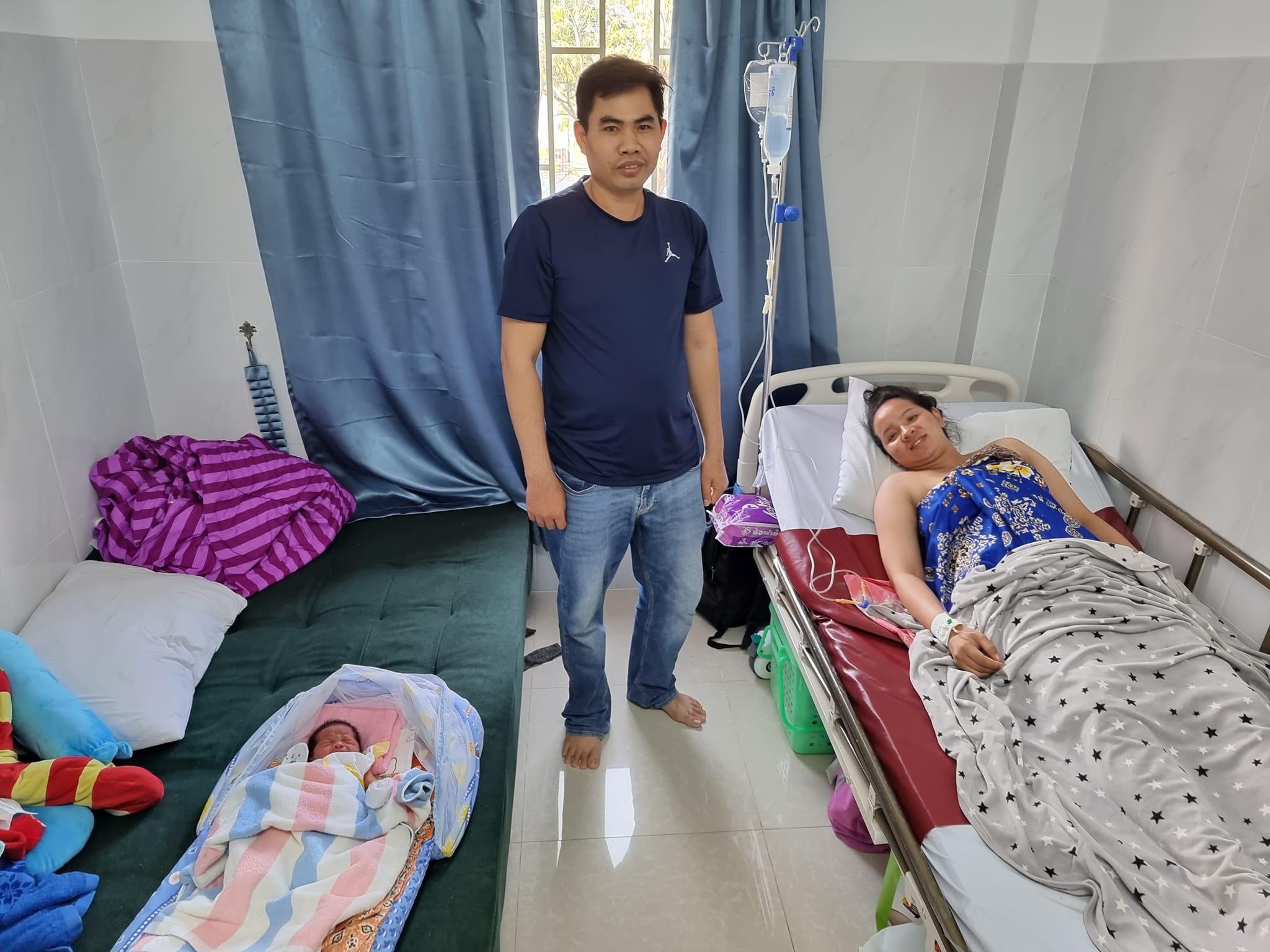
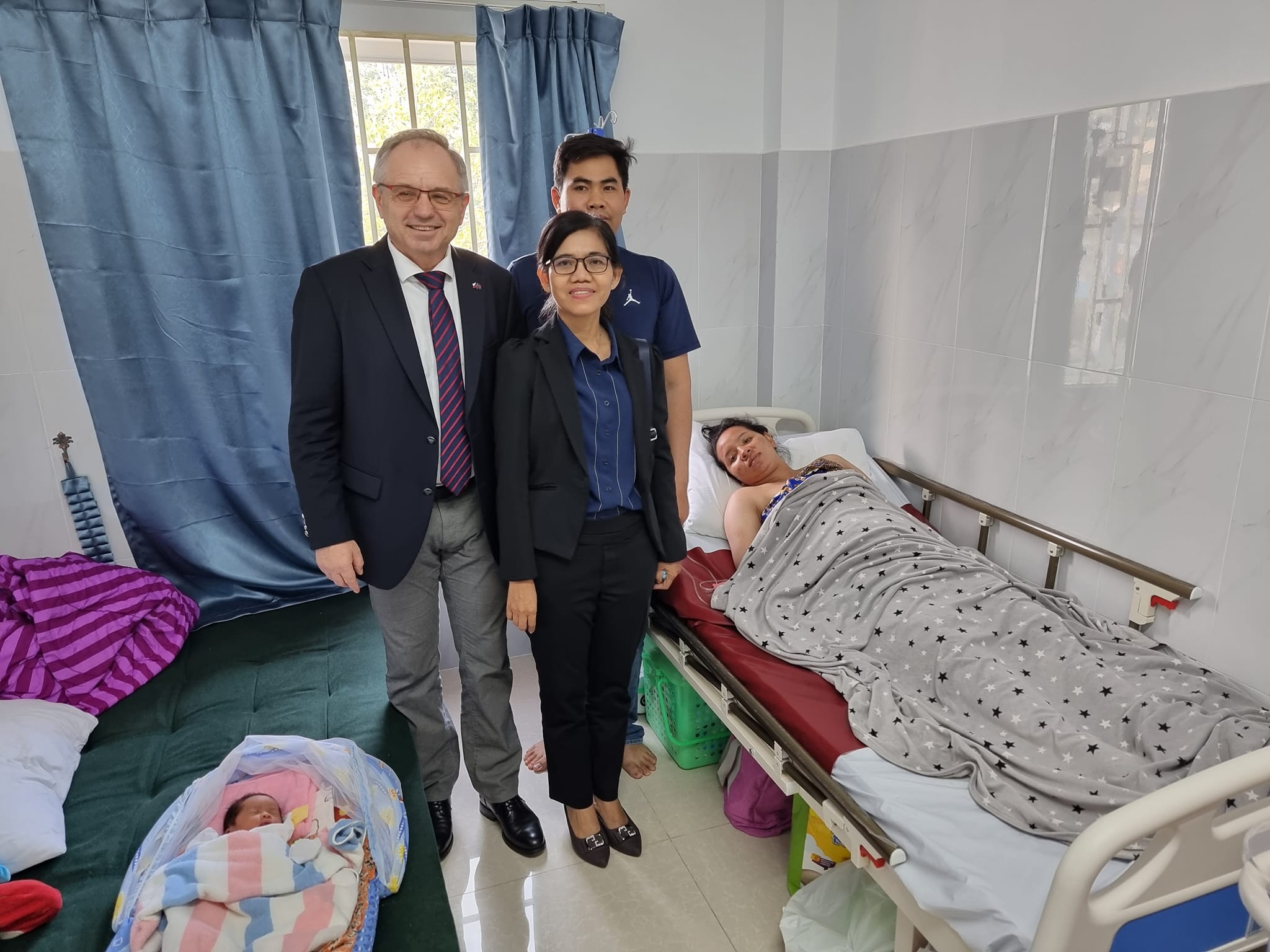
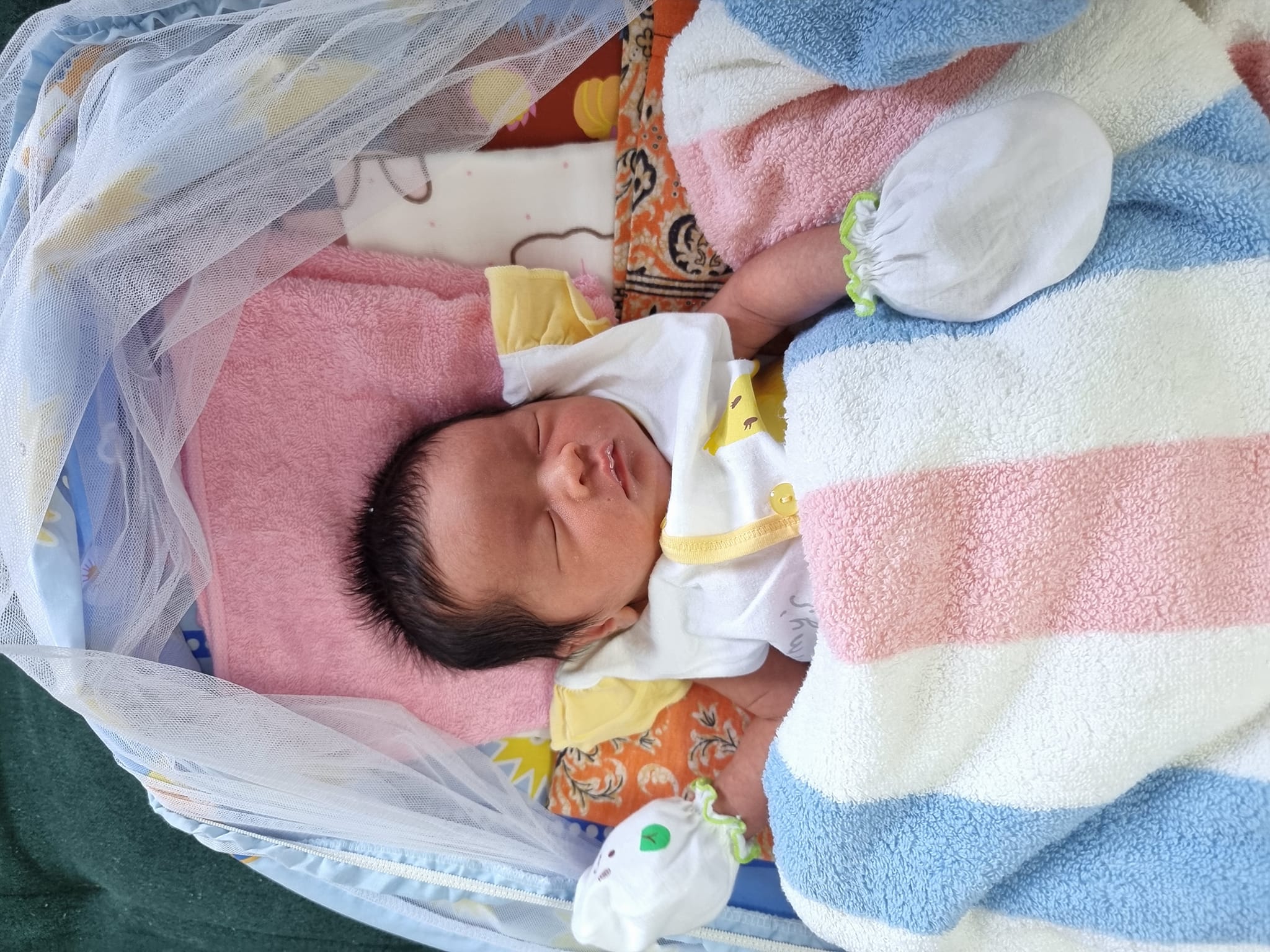
I simply couldn’t resist. Before our departure, I went with Chantheany Huot zkontrolovat kambodžskou pacientku, u které jsme ukončili těhotenství císařským řezem. Mamince, stejně jako její dceři, které dali rodiče jméno Emília, se daří velmi dobře, a tak se domů poletí s dobrým pocitem
Part Six
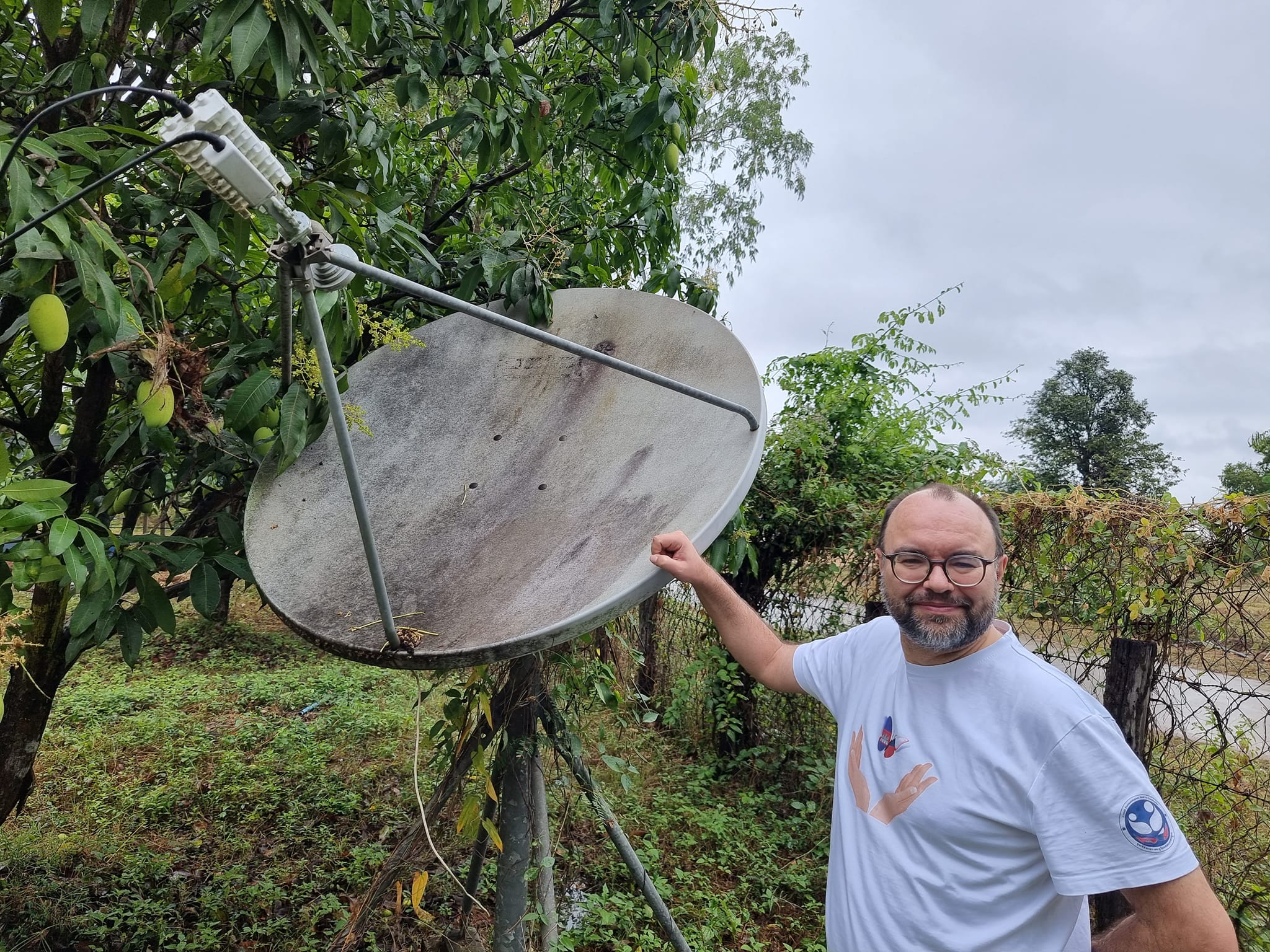
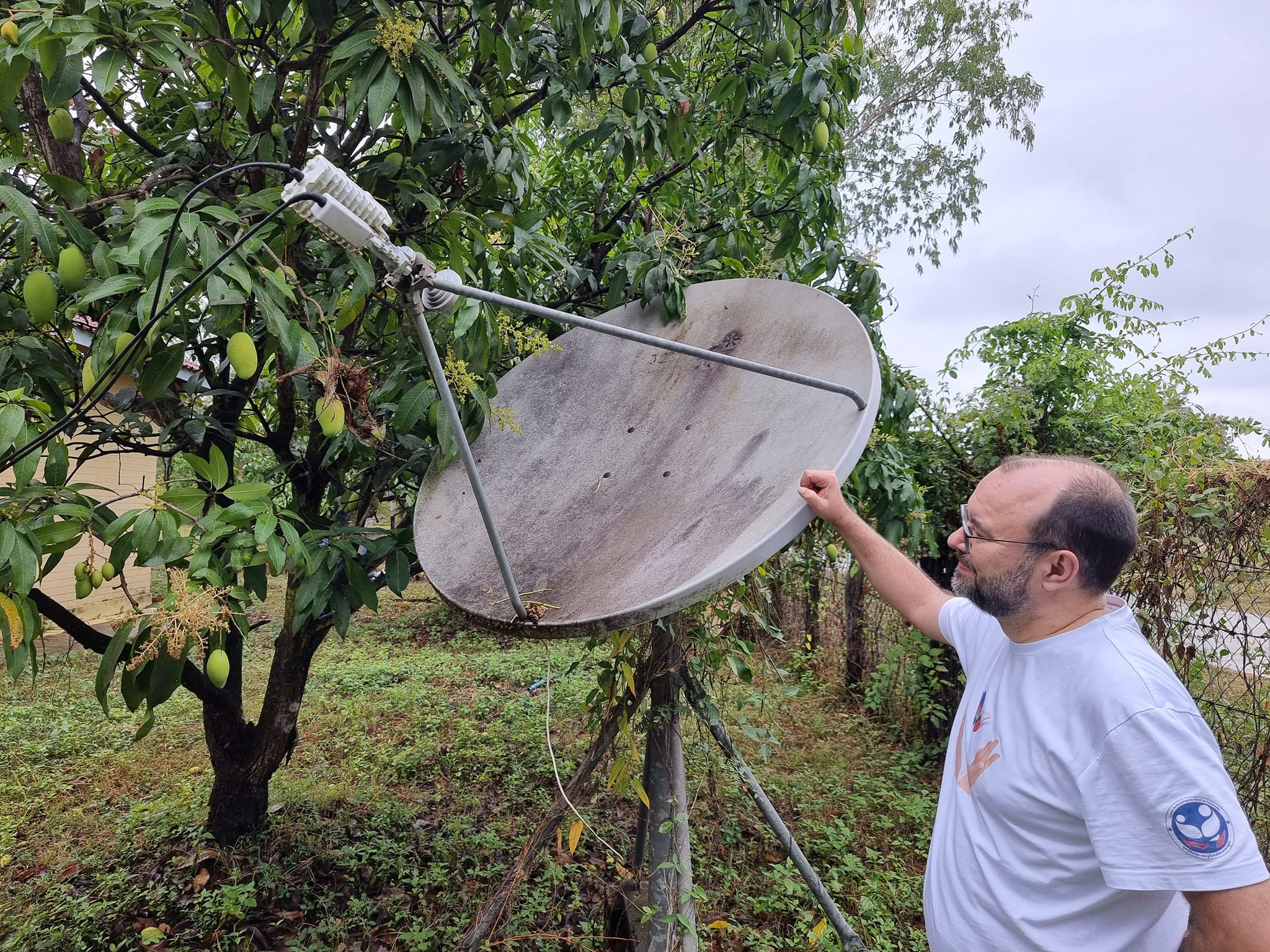
Our IT specialist Michal Krsek neztratil ani na chvíli pozornost a v naprosto zapadlé oblasti „naší“ provincie Kampong Chhnang, kterou máme na starost, objevil telekomunikační zařízení, které má velký potenciál pro další využití k dosažení našich cílů.
Part Seven
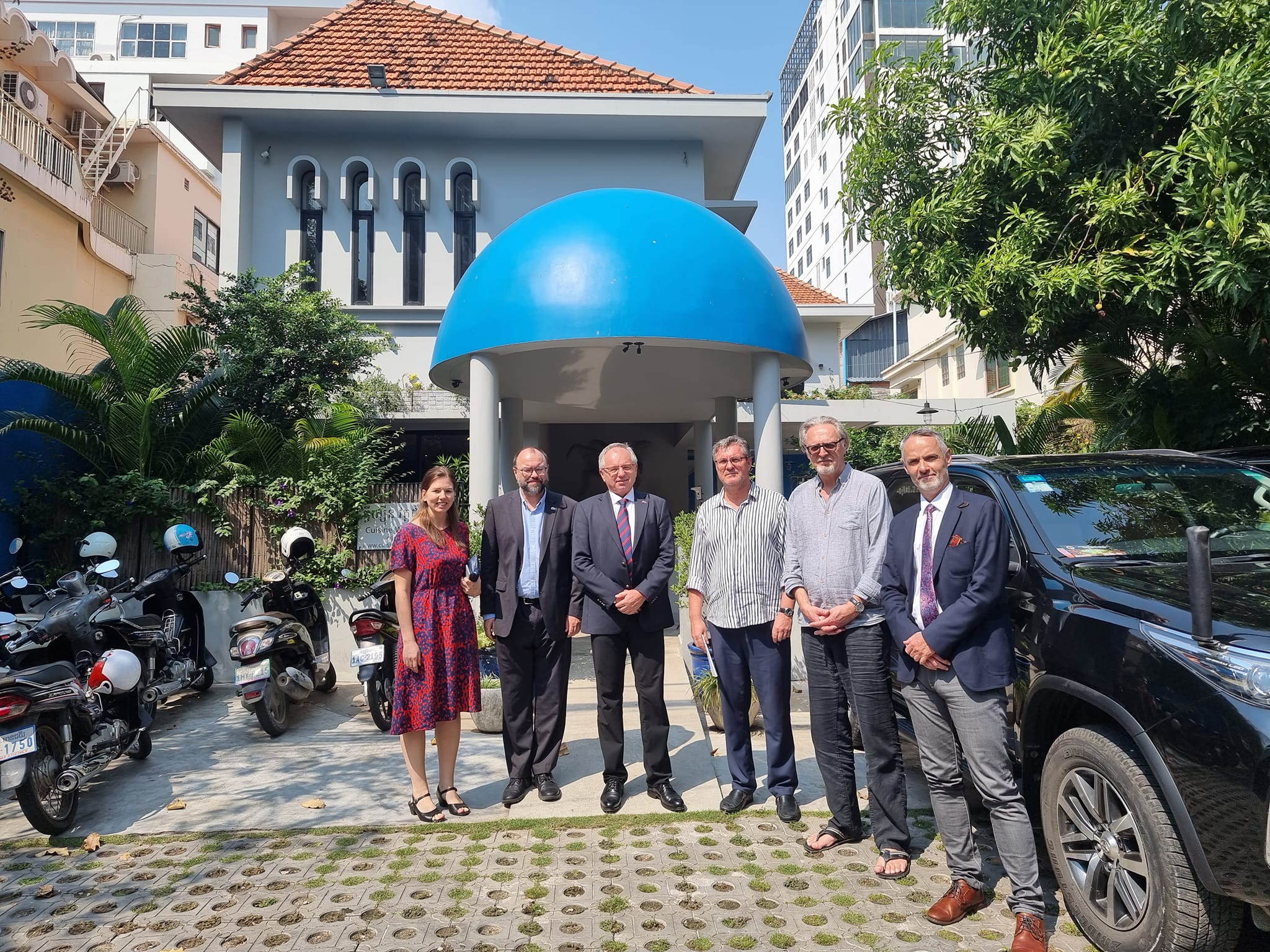
Těsně před odletem z Phnompenhu jsme měli možnost se sejít s panem velvyslancem ČR Martinem Vávrou and Barborou Žáčkovou S prof. Plavkou, doc. Bláhou, Katka Slabá and our “IT Magician” Michal Krsek we reviewed our experience to date in maternal and child healthcare in Cambodia.
Resume: nejen tato naše cesta a hodně náročná příprava a organizace mezioborového edukačního kongresu, ale celý projekt má hluboký rozvojový smysl.
A Fond Memory
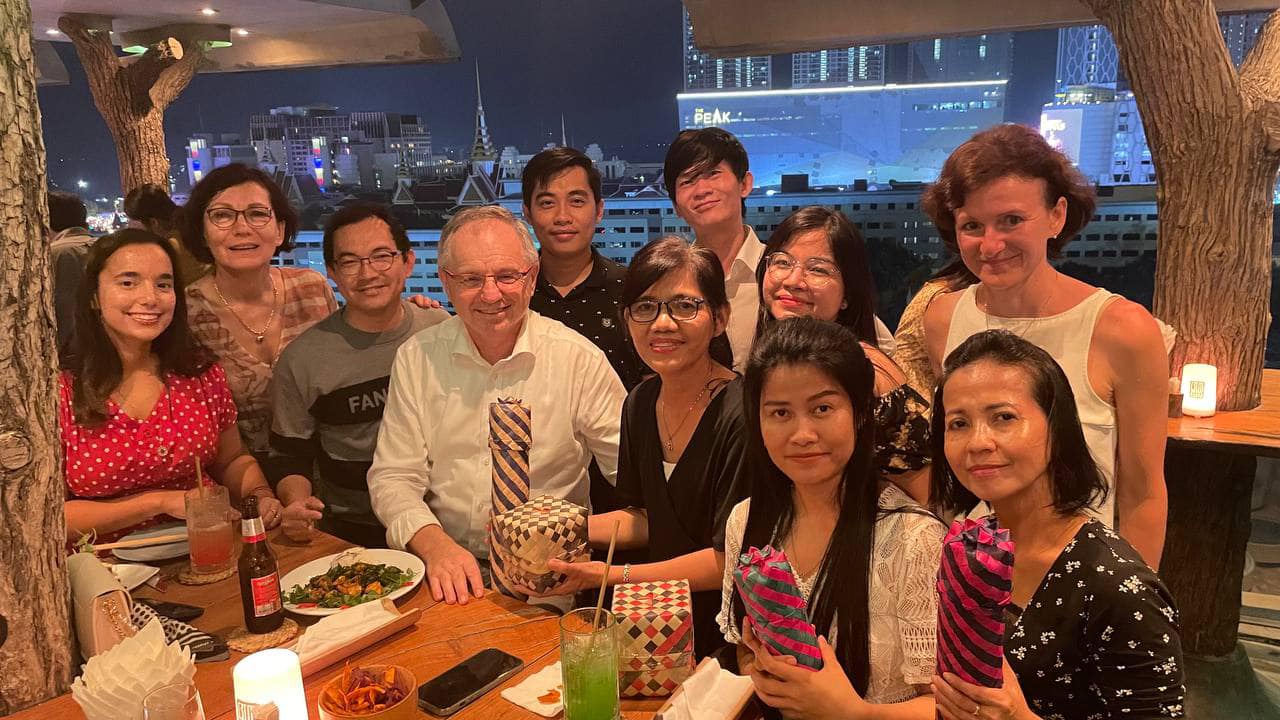
It has been a week since we were invited by Cambodian obstetricians, led by Chantheany Huot , Head of Obstetrics at the National Pediatric Hospital, to a rooftop restaurant in Phnom Penh as a gesture of appreciation for our multidisciplinary educational conference. The sincere words and gifts from our colleagues will always remind us of our time in this beautiful Southeast Asian country.